
Last updated November 22, 2026
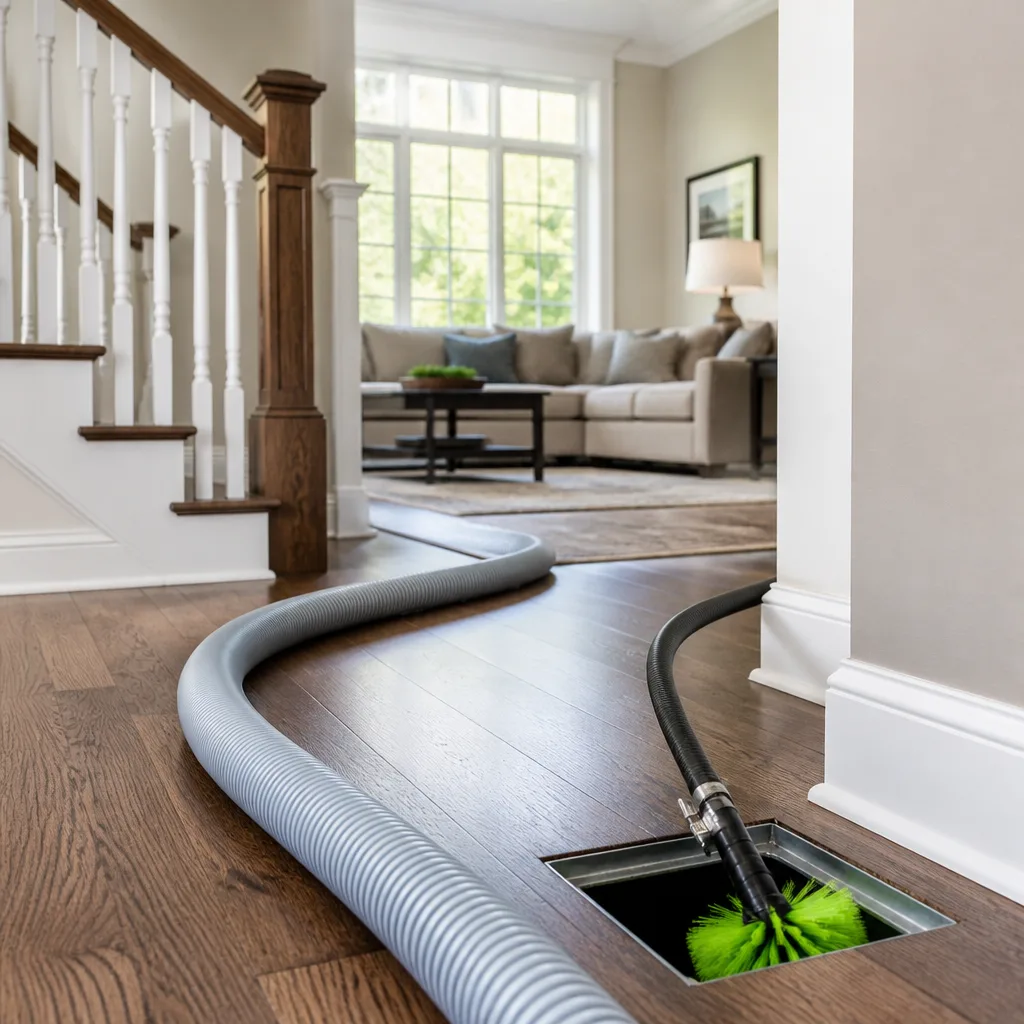 Whole-home duct cleaning
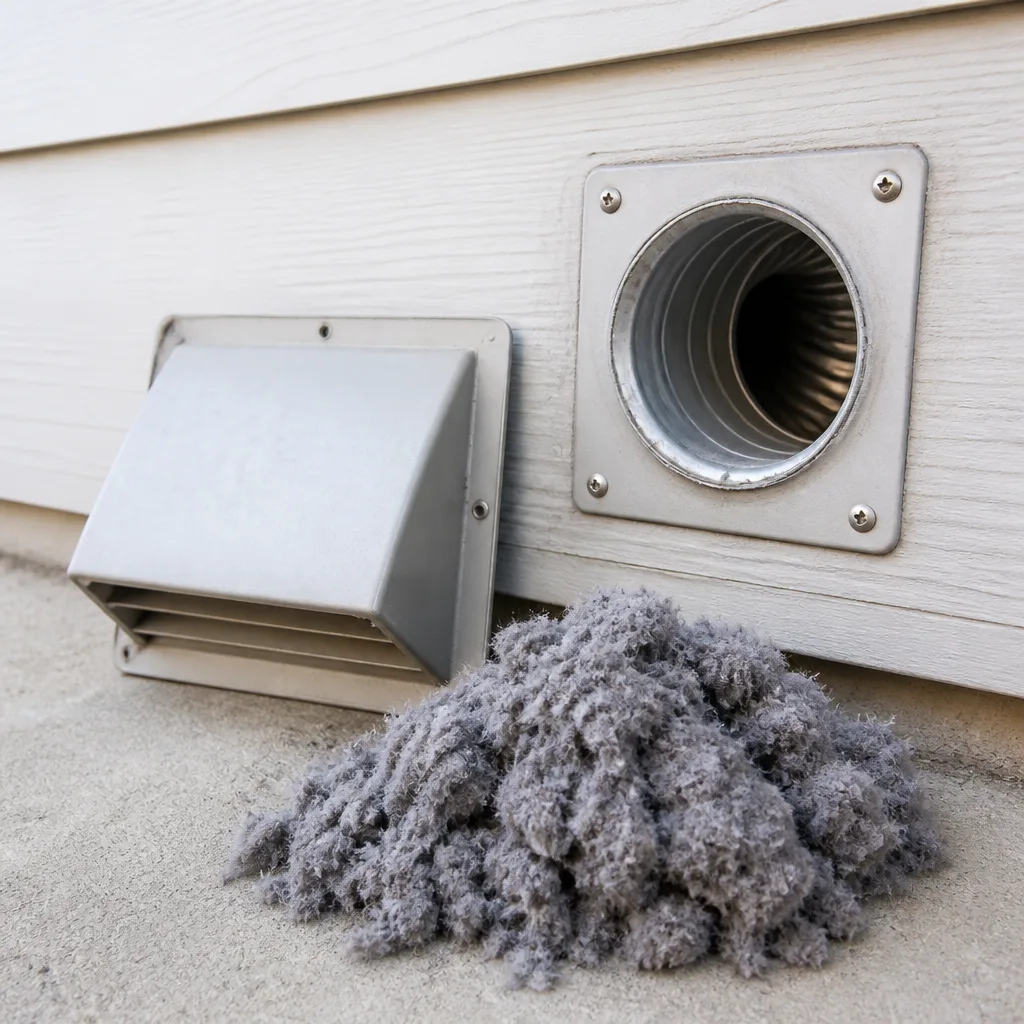 Dryer vent cleaning
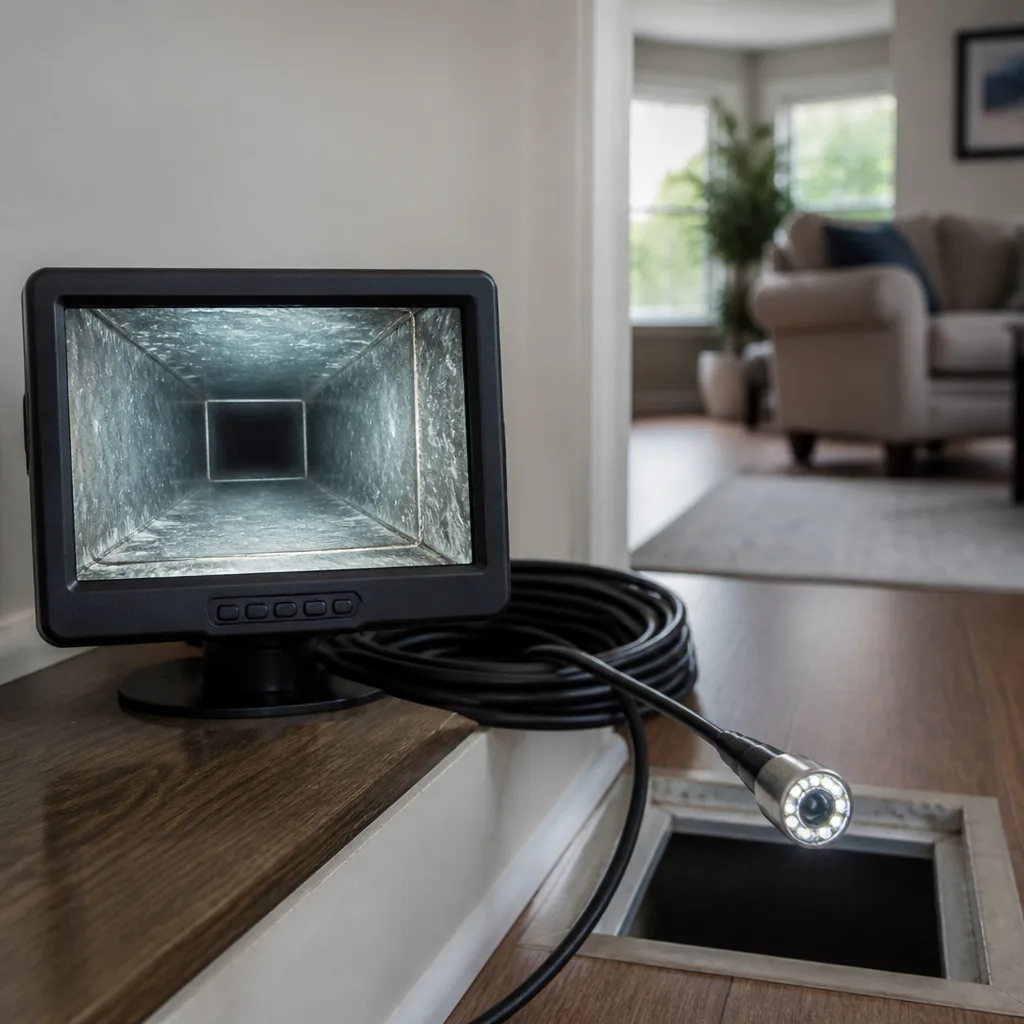 Camera inspection
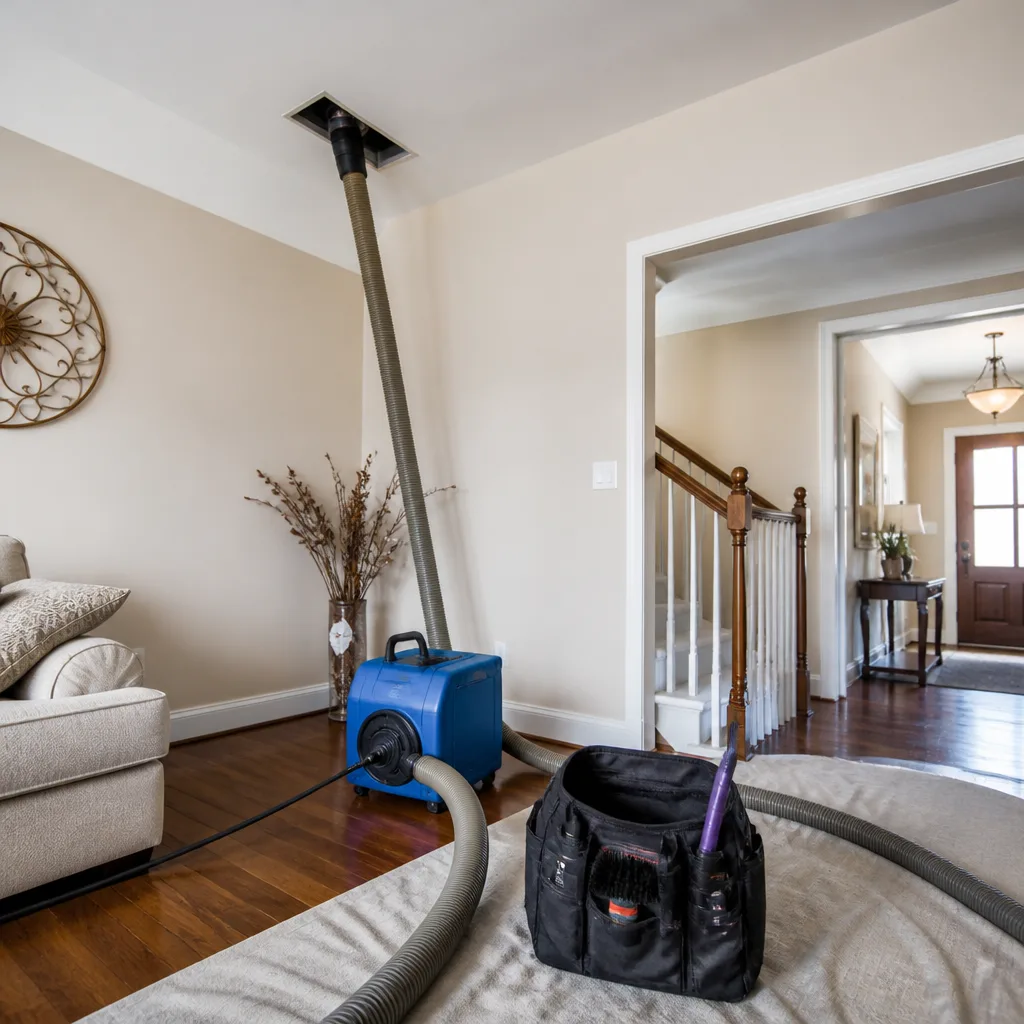 Sanitizing & deodorizing
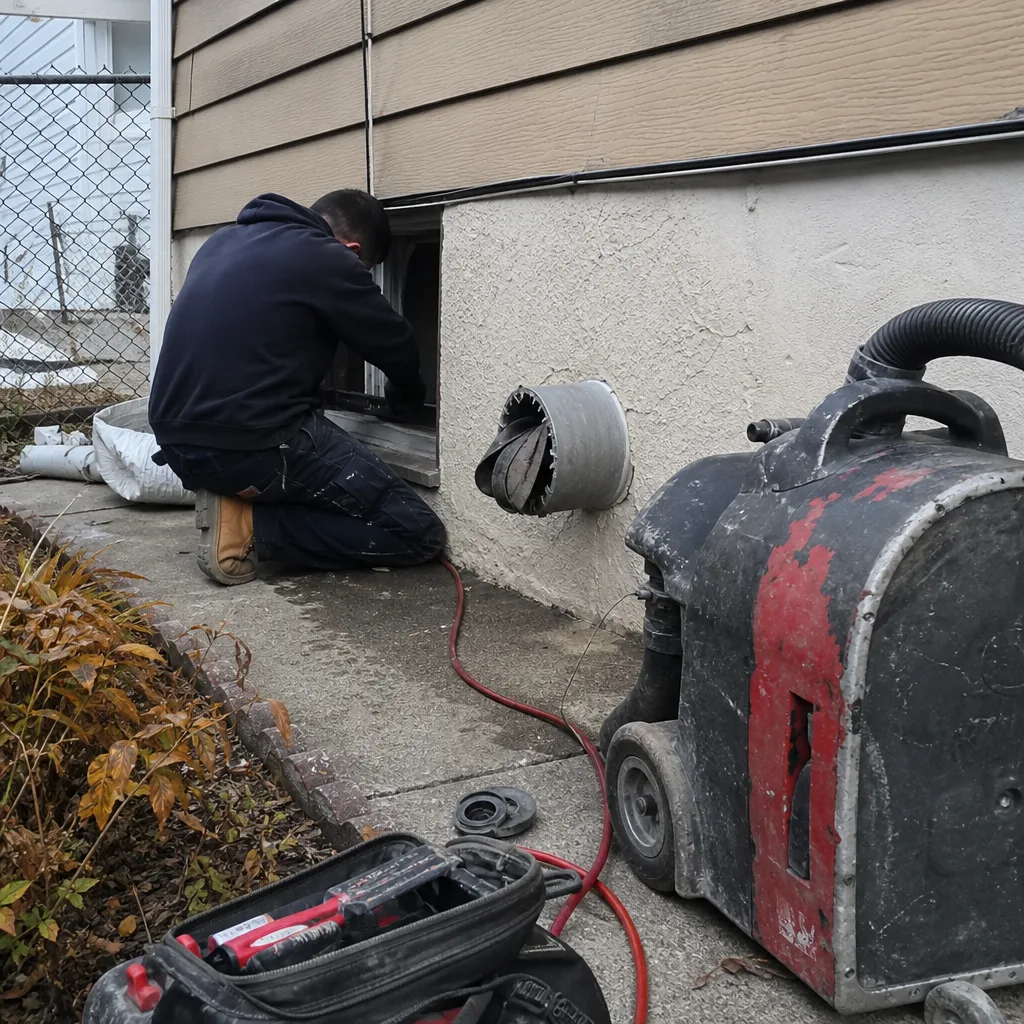
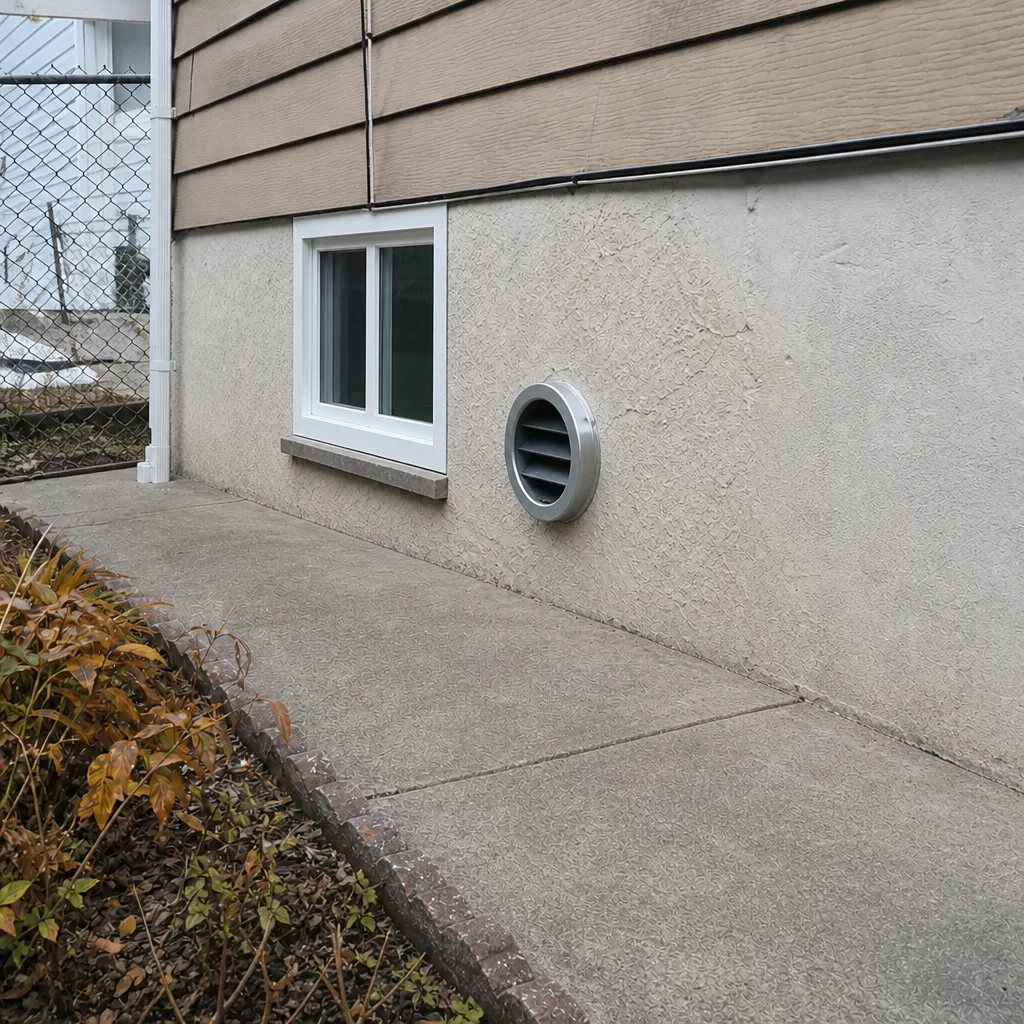
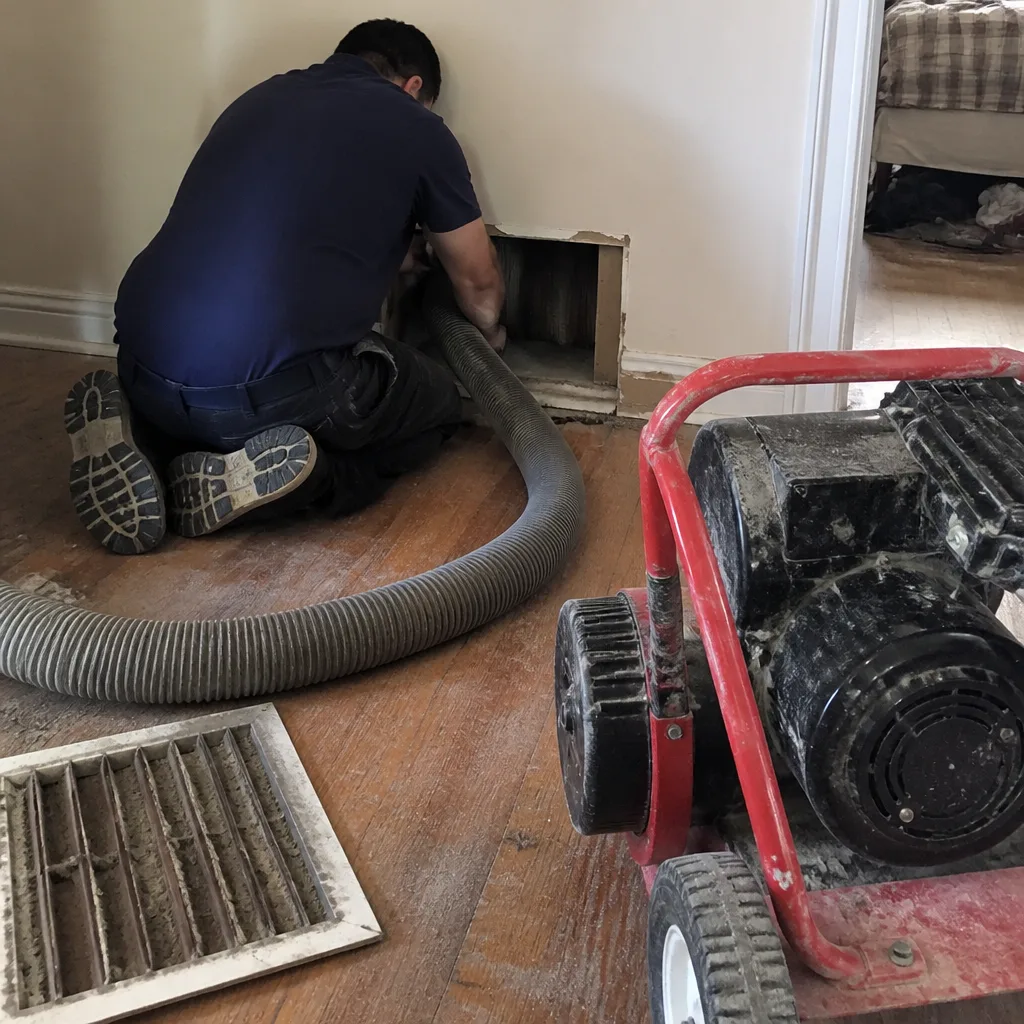
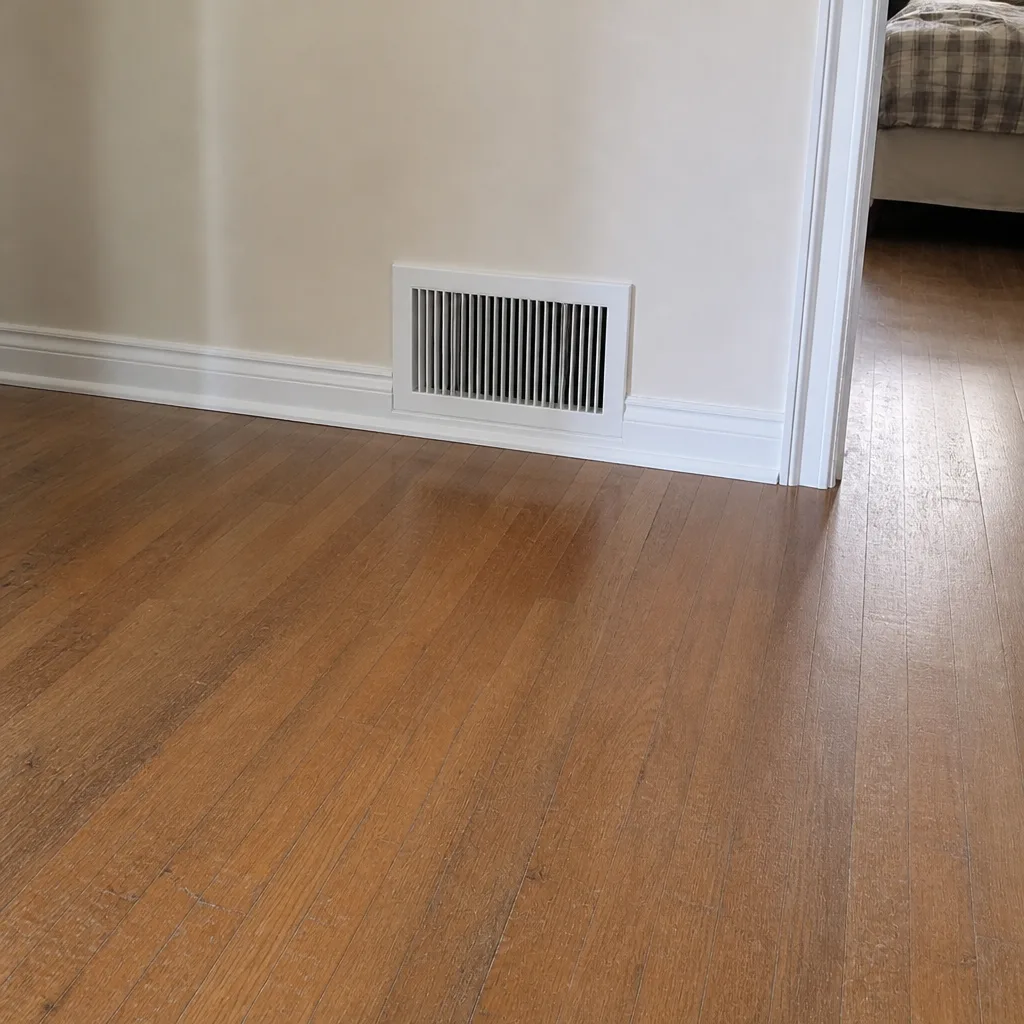
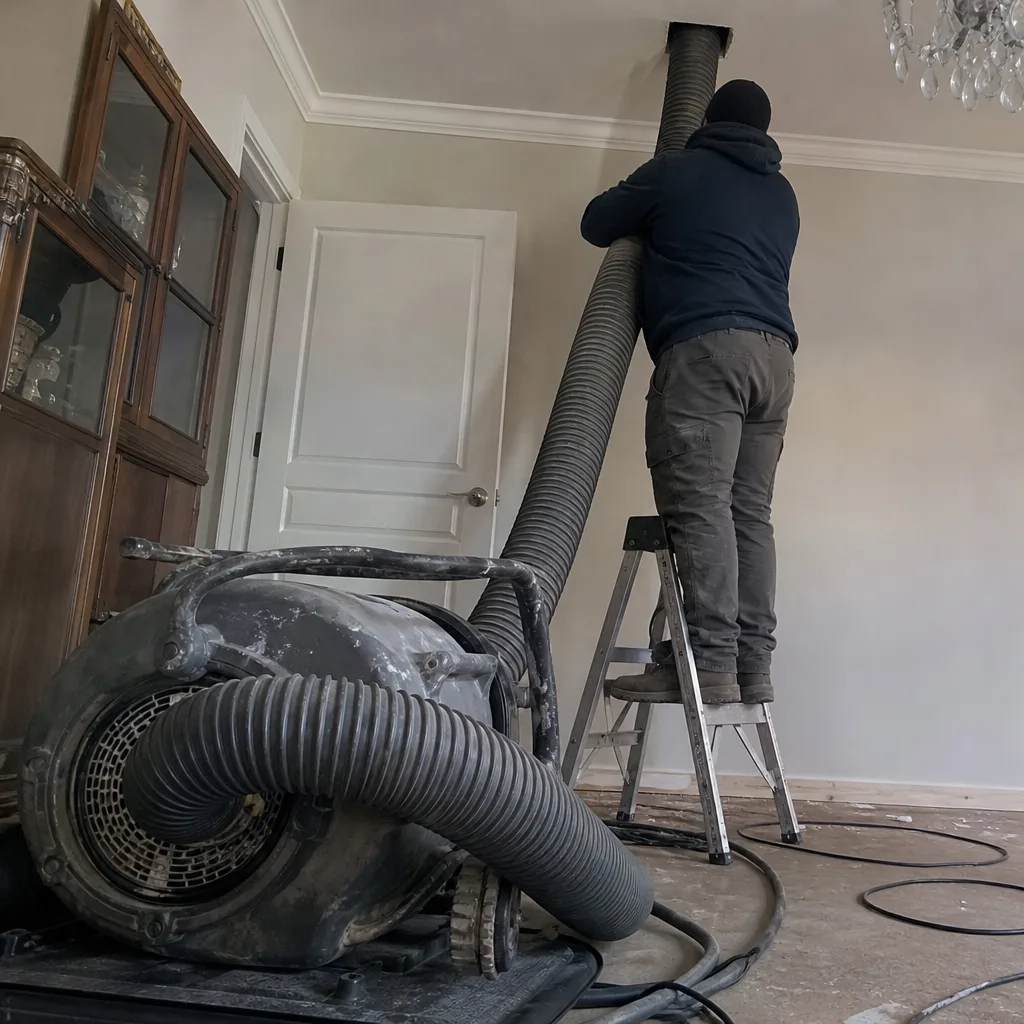
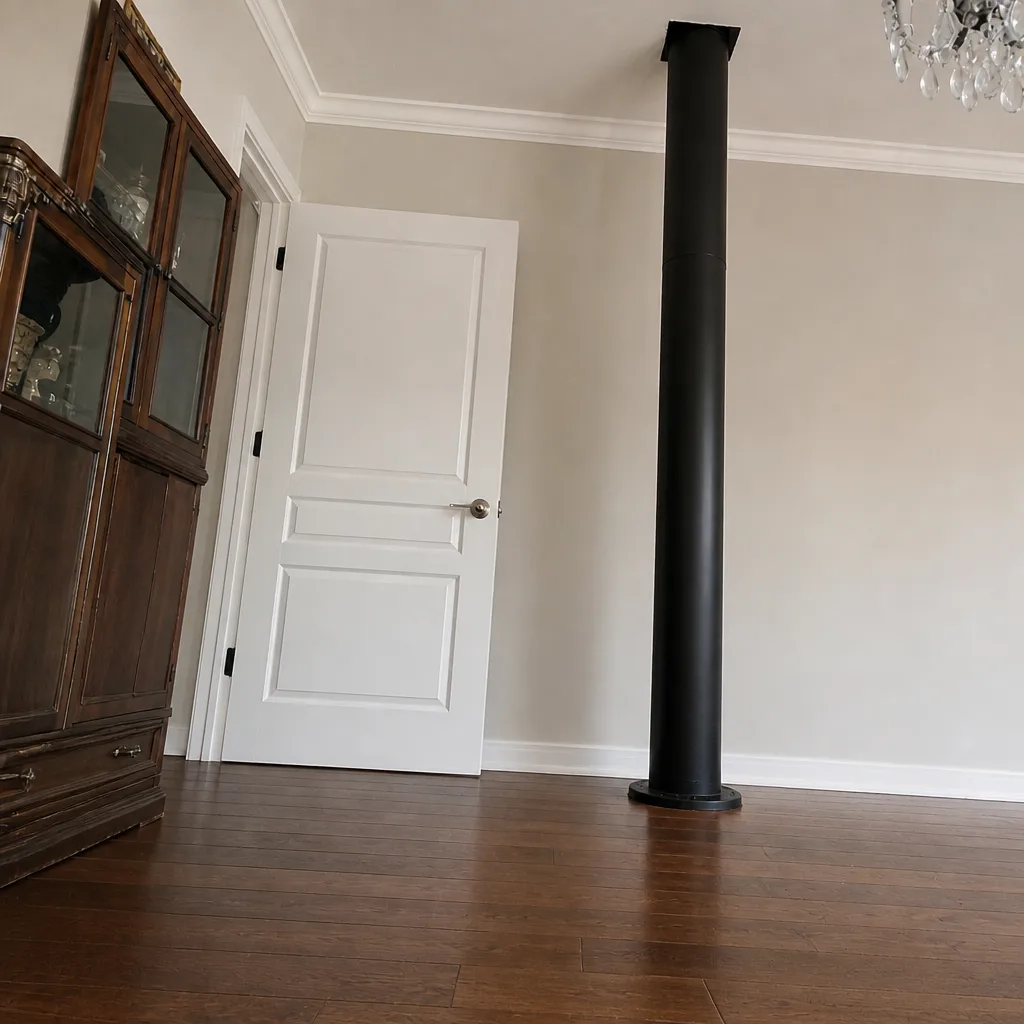
Whole-system duct and dryer vent check with before-and-after photos - you see exactly what came out of your vents
That "$99 whole-house special" is a bait ad - the real number appears once they are in your hallway, or the "clean" is a shop-vac at the register. We photograph the inside of your ducts before and after instead.
Air Duct Cleaning Permits, Codes & Inspections in Bensonhurst, NY: What You Need to Know
Most homeowners assume the answer is simple: either duct cleaning needs a permit or it doesn’t. In New York City, the honest answer is that the cleaning itself doesn’t, but the work that often travels with it does. A technician who finds microbial growth inside a supply run and offers to “treat it right there” can cross a regulatory line that few people in Bensonhurst know exists. This guide draws that line precisely: where cleaning stops being cleaning, which DOH and building code requirements kick in, and how the condo and co-op ownership rules common across Bensonhurst change who is responsible for what.
Quick Answer
Standard air duct cleaning in Bensonhurst does not require a NYC permit. Permits and licensed-trade requirements begin when the work becomes construction: cutting into walls or ceilings, modifying or extending duct runs, replacing components, or performing mold remediation above the DOH threshold. Duct-based mold above roughly 10 square feet of affected surface falls under NYC Department of Health remediation rules, which call for a written assessment and a licensed remediation contractor, not an on-the-spot treatment add-on.
Styles & brands we work with
- Whole-home duct cleaning
- Dryer vent cleaning
- Camera inspection
- Sanitizing & deodorizing
Table of Contents
- Does Air Duct Cleaning Need a Permit in NYC?
- Where Cleaning Turns Into Permitted Construction
- NYC Local Law 55 and What It Means for Landlords
- NYC DOH Mold Remediation Rules and the 10-Square-Foot Threshold
- What a Legitimate Mold Remediation Scope of Work Looks Like
- Condo and Co-op Duct Ownership in Bensonhurst
- Inspections: What Gets Checked and When
- Common Mistakes to Avoid
Does Air Duct Cleaning Need a Permit in NYC?
No. Routine air duct cleaning is not a permitted activity under the New York City Construction Codes. It’s maintenance, closer in regulatory terms to vacuuming a carpet than to renovating a kitchen. Nobody issues you a certificate of occupancy for removing dust.
That said, “no permit required” is not the same as “no rules apply.” Several separate regulatory frameworks can touch a duct job, depending on what the technician finds and what they propose to do about it:
- NYC Construction Codes – govern any alteration to the duct system itself, including new runs, reroutes, and openings cut through walls or ceilings.
- NYC Department of Health and Mental Hygiene (DOH) – governs mold remediation in buildings, with a specific threshold above which a written assessment and licensed contractor are required.
- NYC Local Law 55 – sets indoor allergen hazard obligations for building owners, including HVAC-related conditions.
- Building management rules – in condos and co-ops, private rules often decide who may access shared ductwork and when.
The confusion in Bensonhurst usually comes from mixing these together. A homeowner reads that mold remediation needs a licensed contractor and concludes duct cleaning is regulated. A landlord hears “no permit” and assumes nothing about the system is regulated at all. Neither is right. Cleaning is unregulated. What happens around the cleaning frequently is not. If you’re scheduling routine air duct cleaning, the work itself is straightforward; the careful part is knowing what to do with what turns up inside the system.
Where Cleaning Turns Into Permitted Construction
Straight cleaning doesn’t need a permit. The moment a job requires altering the physical duct system, you’ve moved from maintenance into construction, and the rules change. The dividing line is physical access and modification, not the word “cleaning” on the invoice.
These are the situations where a permit or licensed trade is typically triggered:
- Cutting access openings through walls or ceilings. A technician may need to open a ceiling to reach a concealed run. If that opening is more than a temporary access panel and requires patching, framing or drywall finishing, the job is now construction work.
- Modifying, extending or rerouting duct runs. New ductwork, added supply or return branches, and rerouted runs all fall under the construction codes and generally require plans and a permit.
- Replacing components. Swapping a coil, a plenum, or a section of hard duct is an alteration, not cleaning.
- Work that affects the building’s structural or fire separations. Any penetration that breaks a fire-rated assembly has its own requirements.
- Mold remediation above the DOH threshold. Covered in its own section below, this is the most consequential line of all.
Here’s the practical takeaway for a Bensonhurst homeowner: ask any technician who recommends a repair during a cleaning whether the proposed scope requires a permit. A professional will know the answer and will say so plainly. If someone tells you a full duct extension can be finished “under the radar,” that’s a signal, not a favor. We work on the whole system, not just the vents, and that includes being candid when a job has moved past maintenance and into work that needs to be documented.
NYC Local Law 55 and What It Means for Landlords
If you own or manage a multi-family building in Bensonhurst, Local Law 55 is the piece of the regulatory picture that applies whether or not you ever hire a duct cleaner. The law sets obligations around indoor allergen hazards in residential buildings, and HVAC systems fall squarely within its scope.
The core obligations, in plain terms, are these:
- Building owners must keep units free of indoor allergen hazards, including mold and pest-related conditions that affect the air.
- Owners are expected to investigate and address conditions that could produce those hazards, not wait for a complaint to escalate.
- Where remediation is needed, it must be done properly and, depending on the scope, by qualified contractors.
- Recordkeeping matters, because compliance is judged on documentation as much as on work performed.
Duct systems matter here because they’re a distribution network for whatever is growing or accumulating in a building. A damp mechanical room, a leaking coil, or condensate that isn’t draining properly can seed microbial growth, and the ductwork then carries it into every unit served by that system. For a property manager in Bensonhurst, that turns HVAC cleaning from a comfort expense into a compliance measure. We’ve seen how quickly a neglected coil housing turns into a building-wide issue, and it’s far easier to document routine maintenance than to explain away a complaint that went unaddressed. Landlords should keep service records for every system they’re responsible for, and should treat a musty smell in a shared hallway as a maintenance signal rather than a neighbor’s cooking.
NYC DOH Mold Remediation Rules and the 10-Square-Foot Threshold
This is the section that matters most, and it’s where the on-the-spot treatment pitch becomes a problem. NYC Department of Health mold remediation guidelines set a threshold: surface mold covering more than roughly 10 square feet requires a written assessment and a licensed mold remediation contractor. Below that, small areas can in some cases be handled under limited conditions. Above it, the rules become formal.
Duct-based mold is a different animal from a patch of surface mold behind a bathroom tile. The affected surface may be hidden, spread across a long interior run, and impossible to measure with a glance. A technician shining a light down a supply duct and declaring “that’s about 8 square feet” is guessing. What the DOH framework calls for looks more like this:
- A written assessment. A document identifying what’s affected, where, and how extensive it is. Not a verbal estimate delivered in your hallway.
- A scope of work written before remediation begins. What will be removed, how containment will be maintained, and how the area will be verified afterward.
- A licensed remediation contractor where the threshold is met. A general duct cleaning company is not automatically that.
- Containment during the work, so dislodged spores don’t migrate into the rest of the system or the living space.
Why does this matter beyond the rules themselves? Your homeowner’s insurance. If a future claim involves mold and the remediation was done without a written assessment or by an unlicensed party, the insurer has a legitimate basis to dispute coverage. We deploy Abatement Technologies air filtration, the same equipment standard used in professional remediation environments, because containment is the technical core of getting this right. Clean ducts are only half the job when microbial growth is involved. If someone in Bensonhurst offers to spray and treat mold inside your system without a written protocol, ask for the assessment first.
What a Legitimate Mold Remediation Scope of Work Looks Like
A real scope of work is a document you can read without a translator and hold onto afterward. It describes the condition found, the remediation plan, and the standard the work will be held to. It is not a line item on an invoice that says “mold treatment.”
When you review one, look for these elements:
- Condition description. Where the growth is, what material it’s on, and approximately how much area is affected.
- Containment plan. How the work area will be isolated and how air will be filtered during the job. This is where negative-pressure equipment and filtration units like Abatement Technologies systems come in.
- Removal methods. What will be physically removed versus cleaned, and how.
- Verification. How the contractor will confirm the area is clean at the end, and what documentation you’ll receive.
- Licensing and insurance details for the remediation contractor performing the work.
Equipment choices are a good proxy for whether a contractor understands containment at all. A shop vacuum in an affected duct does the opposite of what you want: it agitates spores and spreads them through the system. Purpose-built Rotary and negative-pressure equipment, which we use from Rotobrush and Nikro, is designed to agitate debris and capture it rather than redistribute it. The difference shows up in how the scope of work is written. If the plan doesn’t address containment, the plan is incomplete, no matter how the company describes itself.
Condo and Co-op Duct Ownership in Bensonhurst
A large share of the housing in Bensonhurst sits in multi-unit buildings, and that changes the answer to a question that seems straightforward: who pays for the duct cleaning? The answer depends entirely on which part of the system is being cleaned and who owns it.
Broadly speaking, the split works like this:
- In-unit portions. The duct runs and terminal boxes that serve only your unit are usually the owner’s responsibility in a condo. In a co-op, the proprietary lease typically makes the shareholder responsible for maintenance inside the unit.
- Shared risers and common elements. Ductwork, shafts and mechanical equipment serving multiple units belong to the building, and the board or management company controls access and pays for work on them.
- Mechanical rooms and rooftop units. Building property, almost always. Any work affecting them requires management involvement before a technician touches anything.
Before you book any HVAC work in a Bensonhurst co-op or condo, do these three things:
- Check your building’s alteration agreement or house rules for requirements around mechanical work.
- Confirm with management whether the work touches shared ductwork, and if so, get their sign-off in writing.
- Ask who is responsible for the cost, and get that answer before work begins rather than after.
This is one of the most common sources of friction we encounter. A shareholder schedules work on what turns out to be a shared return, and the building’s super stops the job halfway through. A quick conversation with management up front avoids the whole situation. Board rules are private, not code, but they carry real consequences in a co-op building, and they differ from building to building across Bensonhurst.
Inspections: What Gets Checked and When
Routine duct cleaning doesn’t come with an official inspection. Nobody from the city shows up to sign off on a clean system. What does get inspected falls into two categories: verification of the cleaning itself, and formal inspections tied to permitted or remediation work.
Cleaning verification. A professional job includes before-and-after photos of the system interior, taken during the work. These are your proof the work happened. Ask for them. If a company can’t produce them, you have no way to know what was actually done between the truck and the invoice.
Formal inspections. These apply in specific situations:
- Permitted construction work. If duct modifications require a permit, the work is subject to inspection by the NYC Department of Buildings before it’s signed off.
- Mold remediation above the DOH threshold. Verification of cleanup is part of the remediation protocol, and the documentation should be provided to you.
- Building-level compliance work. Buildings with indoor allergen obligations may need records showing maintenance and remediation were performed.
One thing to keep in mind during any inspection visit: safety. We flag this on every relevant job because it matters. Duct work frequently runs near electrical panels, gas-fired equipment and other components that are genuinely dangerous to touch. If an inspection or repair puts you near a panel, gas line or combustion equipment, leave it to a licensed trade. Nobody should be probing around energized equipment because they saw a video about it. Our technicians carry up to 15 years of experience, and the first thing we tell anybody who asks is which parts of the job aren’t for homeowners.
Common Mistakes to Avoid
- Assuming no permit means no rules. Cleaning isn’t permitted, but the repair or remediation that follows often is. Ask about permits before approving any work beyond cleaning.
- Accepting on-the-spot mold treatment. Above the DOH threshold, you need a written assessment and a licensed remediation contractor. A spray-and-go offer isn’t a scope of work, and it can jeopardize an insurance claim later.
- Skipping the written scope. In Bensonhurst, duct-based mold is often hidden inside long runs and hard to judge by eye. Demand the assessment in writing before anyone starts.
- Ignoring building management. In a co-op or condo, shared risers belong to the building. Get sign-off before scheduling, or the job can be stopped mid-way.
- Combining the dryer vent cleaning with the wrong contractor. Dryer vents are a fire-prevention service, and duct-only companies often skip them. Use one company that covers both, and confirm the vent has been cleaned to the exterior termination.
- Accepting no photos, no verification. Before-and-after photos are the baseline of proof. If a technician can’t show you the system interior, you can’t tell whether it was cleaned.
- Trusting a shop vacuum as professional equipment. Consumer vacuums can agitate and spread contaminants. Industrial rotary and negative-pressure systems capture what’s dislodged; the difference is the whole point.
When to Call a Professional
Some situations are clearly routine, and some need a trained eye before anything gets touched. Call a professional when you notice a musty or stale smell that returns whenever the heat or AC runs, when you see visible dust streaking from supply registers, when the system runs but airflow has clearly dropped, or when the ducts have never been cleaned and you’ve just moved into a Bensonhurst property. Call before booking a mold treatment offered mid-job; get the written assessment first. And call before any duct modification work that cuts into walls, ceilings or shared building systems, because that’s where the permit line sits. If you manage a multi-unit building, call to schedule a system-wide assessment before tenant complaints start, not after. Air Duct Cleaning Bensonhurst offers free estimates in Bensonhurst – call (833) 483-0627.
See the difference
 Before
 After
 Before
 After
 Before
 After
Frequently Asked Questions
No. Standard air duct cleaning in Bensonhurst and anywhere else in NYC is maintenance, not construction, and doesn’t require a permit. A permit becomes necessary only when the work changes the duct system itself, such as cutting new access through walls or ceilings, modifying or extending duct runs, or replacing components. Call (833) 483-0627 for an exact quote – estimates are free.
The line is physical modification. If the duct system is cleaned but not altered, no permit is involved. If a technician has to open a wall, reroute a run, add a branch, replace a coil, or perform any work falling under the construction codes, the job has shifted into permitted or licensed territory. When in doubt, ask about the permit before approving the work. Call (833) 483-0627 if you want us to look at the scope with you.
Local Law 55 puts the responsibility for indoor allergen hazards, including mold and HVAC-related conditions, on building owners in residential properties. Practically, that means investigating and correcting conditions that could affect air quality, and keeping records that show the work was done. For multi-family buildings in Bensonhurst, routine HVAC maintenance and cleaning are part of how compliance is documented. Call (833) 483-0627 to schedule an assessment for a multi-unit building.
Yes. NYC DOH mold remediation guidelines tie requirements to affected area, with roughly 10 square feet as the threshold above which a written assessment and a licensed remediation contractor are required. Duct-based mold is often spread across a long, hidden interior surface, so estimating it by eye is unreliable. If a technician offers to treat it without a written protocol, ask for the assessment first. Call (833) 483-0627 for a documented inspection.
It depends on which ducts are being cleaned. Runs that serve only your unit are generally your responsibility, but shared risers and mechanical equipment belong to the building, and work on them requires management involvement. Check the co-op’s alteration agreement and get written sign-off before scheduling anything that touches shared systems. Call (833) 483-0627 and we’ll help you figure out which part of the system is which.
Done correctly, it helps, because routine maintenance and properly documented remediation protect coverage rather than jeopardize it. Where insurance issues arise is remediation performed without a written assessment or by an unlicensed party above the DOH threshold. Keep the documentation for every job, including before-and-after photos. Call (833) 483-0627 for an exact quote – estimates are free.
The Bottom Line
Air duct cleaning in Bensonhurst doesn’t require a permit. The work around it sometimes does, and the gap between those two facts is where homeowners get into trouble. Remember the map: cleaning is maintenance, alteration is construction, and mold above the DOH threshold needs a written assessment and a licensed remediation contractor. In condo and co-op buildings, ownership of the ductwork decides who pays and who signs off. And in every case, proof matters: a written scope, before-and-after photos, and equipment that captures what it dislodges. If you’re in Bensonhurst and want the system looked at properly, we’ll tell you plainly which category your job falls into.
Related Reading
If you’re starting at the beginning, our Air Duct Cleaning Bensonhurst page covers the full scope of what we do. From there, explore dryer vent cleaning, HVAC cleaning, and duct repair and sealing as parts of one system. And for a broader look at air quality treatment with Honeywell and Aprilaire products, ask us about sanitizing when you call.
Call (833) 483-0627 for a free estimate. We answer 24/7. Fast dispatch from 7am to 7pm, Sunday through Friday.
Written by the team at Air Duct Cleaning Bensonhurst.