
Last updated November 22, 2026
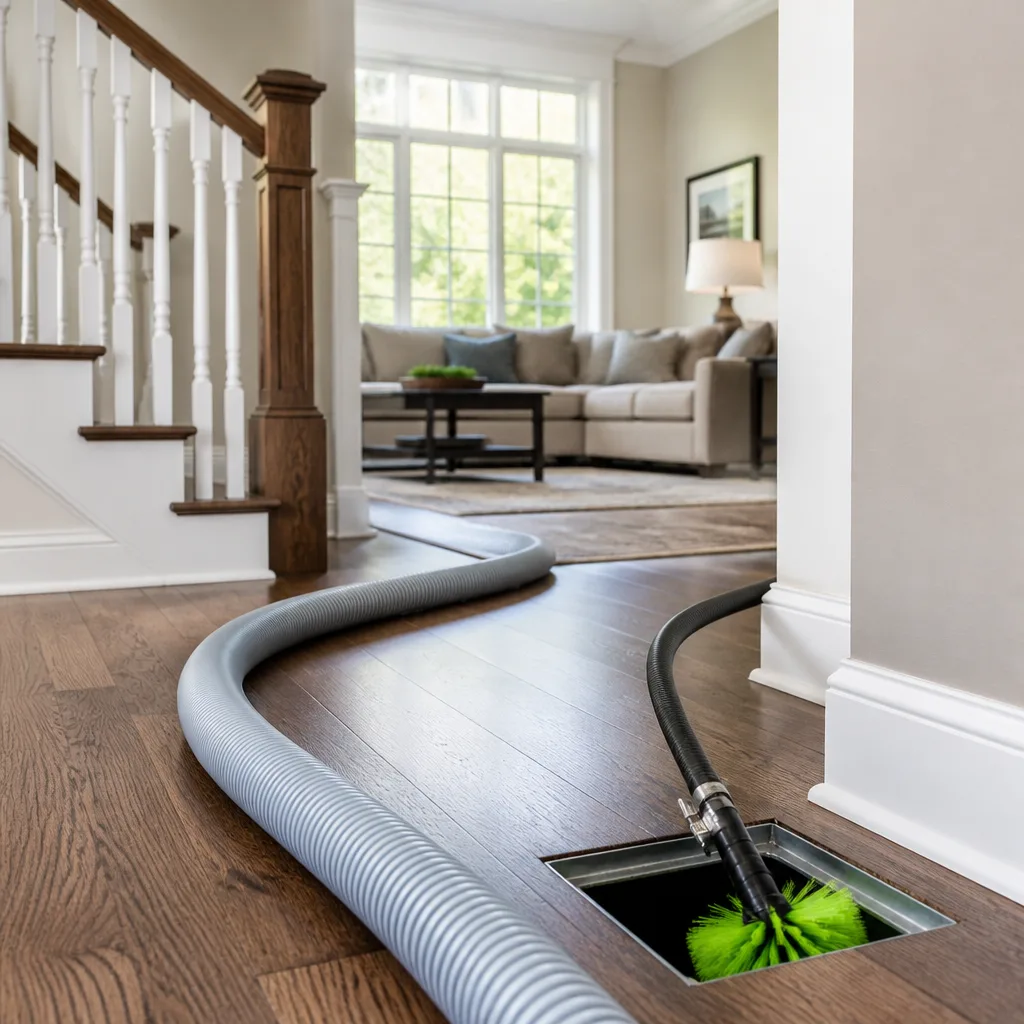 Whole-home duct cleaning
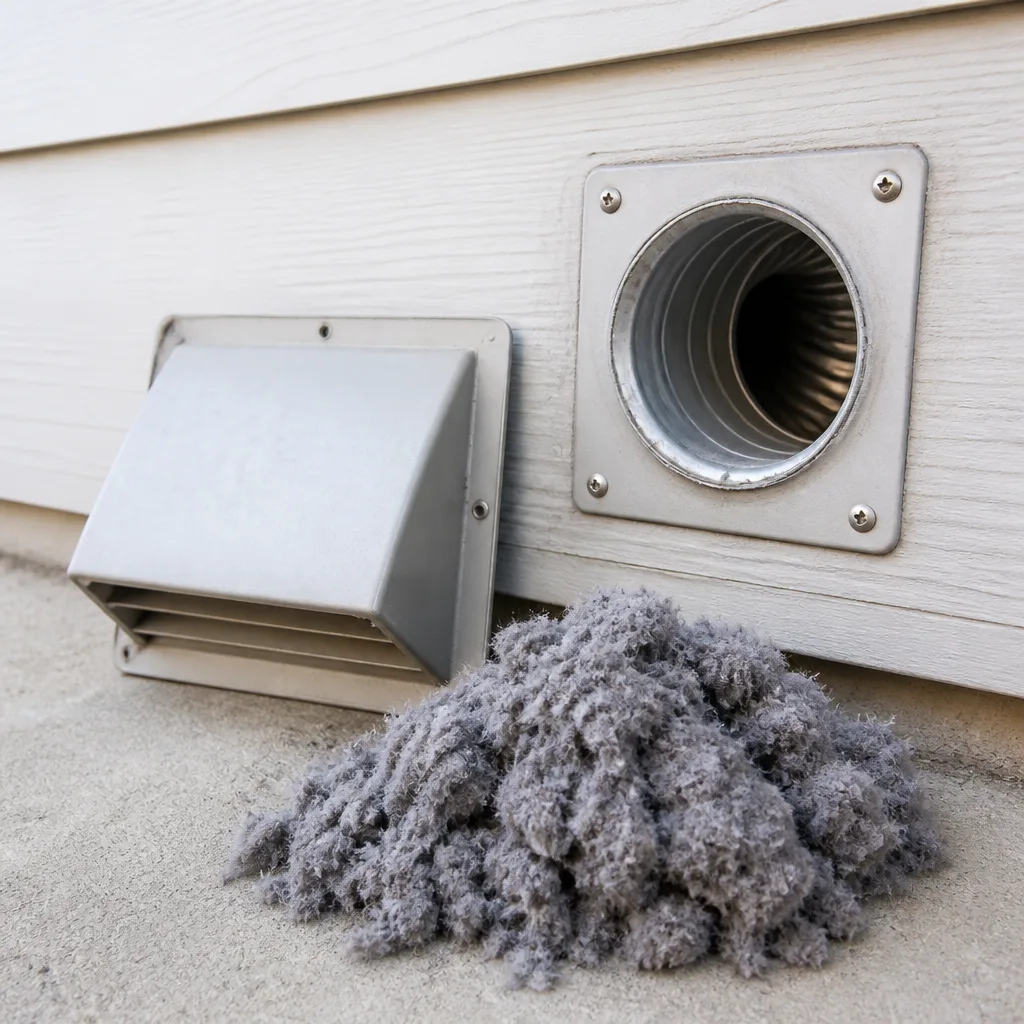 Dryer vent cleaning
 Camera inspection
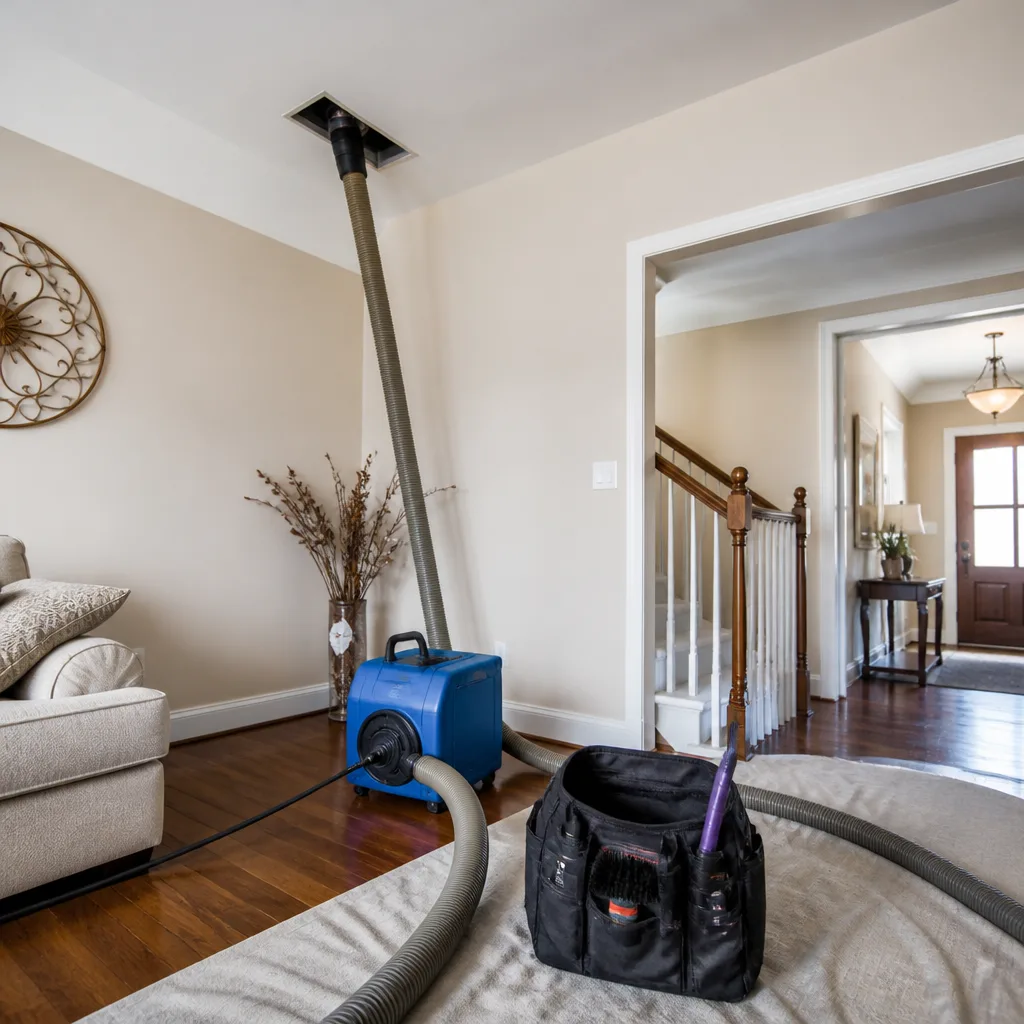 Sanitizing & deodorizing
Whole-system duct and dryer vent check with before-and-after photos - you see exactly what came out of your vents
That "$99 whole-house special" is a bait ad - the real number appears once they are in your hallway, or the "clean" is a shop-vac at the register. We photograph the inside of your ducts before and after instead.
Air Duct Cleaning Maintenance Checklist for Bensonhurst Homeowners
Filter manufacturers print “90-day replacement” on the packaging because that covers their liability, not because it reflects your household. A Bensonhurst home on a busy block near the Bay Parkway commercial strip can load a filter well before that, especially when windows stay open in traffic season and the radiators kick on for the first time in October. The calendar on the box was never about your building. It’s about the average of everyone’s building. What follows is a checklist built around what you can actually see and smell in your own apartment, starting with the tasks you do every month and ending with the professional work worth scheduling once a year.
Quick Answer
A practical air duct maintenance checklist for a Bensonhurst homeowner combines monthly visual checks (filters, vent covers, visible dust), quarterly mechanical checks (blower area, condensate line, return grilles), and one professional cleaning per year with a duct integrity inspection alongside it. The interval that matters most isn’t the cleaning date on your calendar. It’s what happens in the weeks between visits, because a system with unsealed joints in an attached building re-contaminates faster than the manufacturer timeline assumes.
Styles & brands we work with
- Whole-home duct cleaning
- Dryer vent cleaning
- Camera inspection
- Sanitizing & deodorizing
Table of Contents
- Monthly Visual Tasks: Five Minutes That Save a Season
- Quarterly Mechanical Checks
- The Annual Professional Service
- Reading Your Filter as a Diagnostic Tool
- Older Bensonhurst Housing and Shared Wall Cavities
- The 30-Day Post-Cleaning Watch Window
- Red Flags That Mean Don’t Wait for the Annual Date
- Common Mistakes to Avoid
Monthly Visual Tasks: Five Minutes That Save a Season
These are the checks that take less time than brewing coffee but catch most problems while they’re still small. Set a recurring reminder on the first of the month and treat it as a walk-through of your own apartment, not a chore.
- Pull the filter and hold it to a light. If you can’t see daylight through the pleats, it’s done regardless of what the packaging claimed.
- Look at the outside of every supply grille. A fine grey film appearing within a month of cleaning points to a leak upstream, not a filter problem.
- Check return grilles for streaks. Dark lines radiating from the corners are air moving around a poor seal rather than through the filter.
- Sniff near the return on a quiet morning. A musty or dusty smell that’s stronger there than elsewhere in the room is worth writing down with the date.
- Confirm every vent cover is seated flat. A grille knocked loose during furniture moves or radiator work leaves a gap that pulls air straight from the wall cavity.
Write what you find in a notebook or a phone note with a date. When you eventually call someone, that log tells them far more than “it’s been dusty lately.” It also protects you from the courier-style duct cleaning that shows up with a shop vac, spends twenty minutes at the vents, and leaves the trunk line untouched. In our experience, a homeowner who can describe when the dust reappears gets a much more honest conversation than one who can only say it’s been a while.
Quarterly Mechanical Checks
Every three months, go a step past the visual walk-through. None of this requires tools beyond a flashlight and a screwdriver, and none of it involves opening anything that carries live electrical parts.
- Blower compartment, by eye only. With the unit’s power off at the switch, look through the access panel if your system has a tool-free one. A visible mat of dust on the blower wheel blades is a sign the return side is pulling from an unfiltered opening.
- Condensate drain and pan. Check for standing water, algae film, or rust in the pan under the indoor coil. A slow drain in a Bensonhurst basement unit often shows up first as a damp smell near the closet the air handler sits in.
- Coil face through the grille. A grey blanket of dust on the indoor coil means the filter isn’t seating correctly, not that the coil needs a chemical wash.
- Duct joints you can reach. Run a hand along accessible ductwork in a basement or utility closet and feel for air movement at taped joints. A joint that hisses quietly is losing conditioned air and pulling unfiltered air in return.
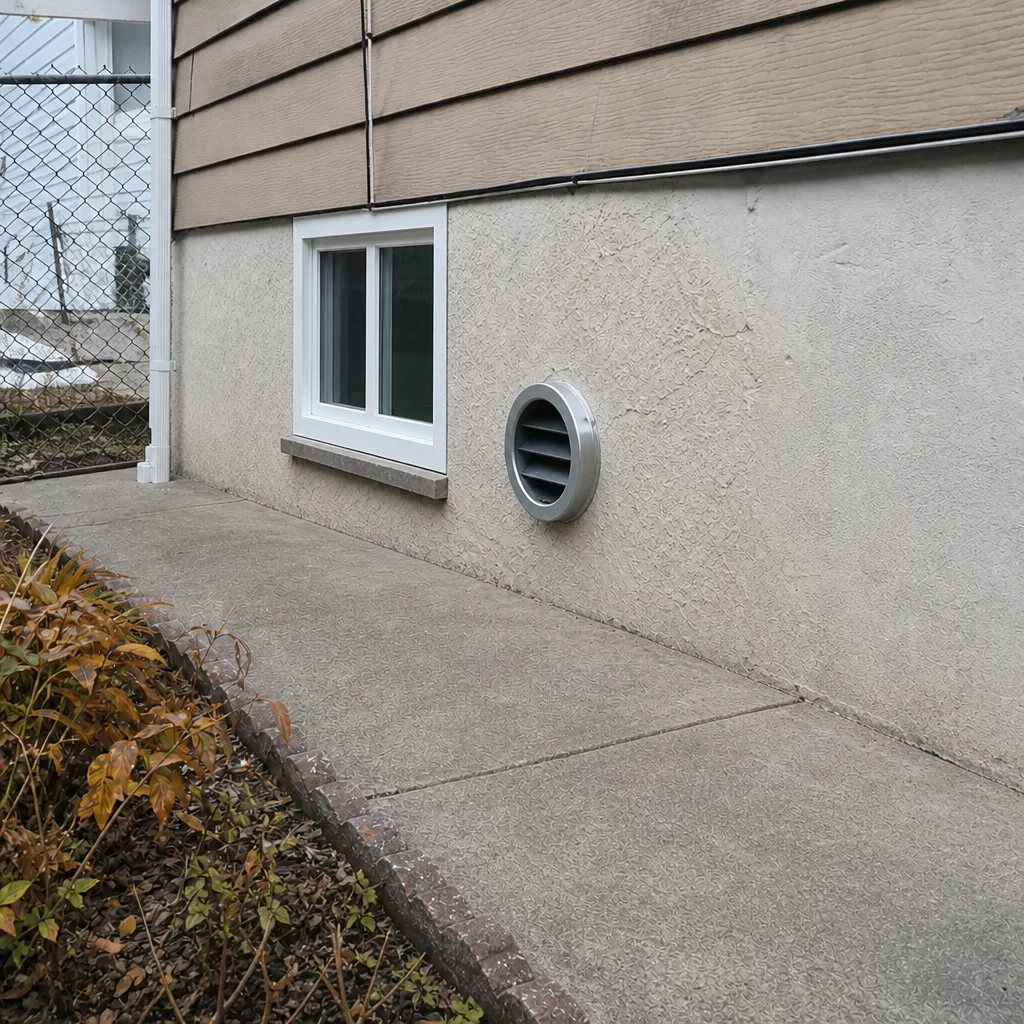
- Dryer vent run. Confirm the exterior flap opens freely and that the flexible section behind the dryer isn’t crushed against the wall.
Quarterly also means listening. A system that has become noticeably louder at the return since last quarter is usually working against a restriction, either a loaded filter or a partially collapsed flex run. Both are cheap to fix early and expensive later.
The Annual Professional Service
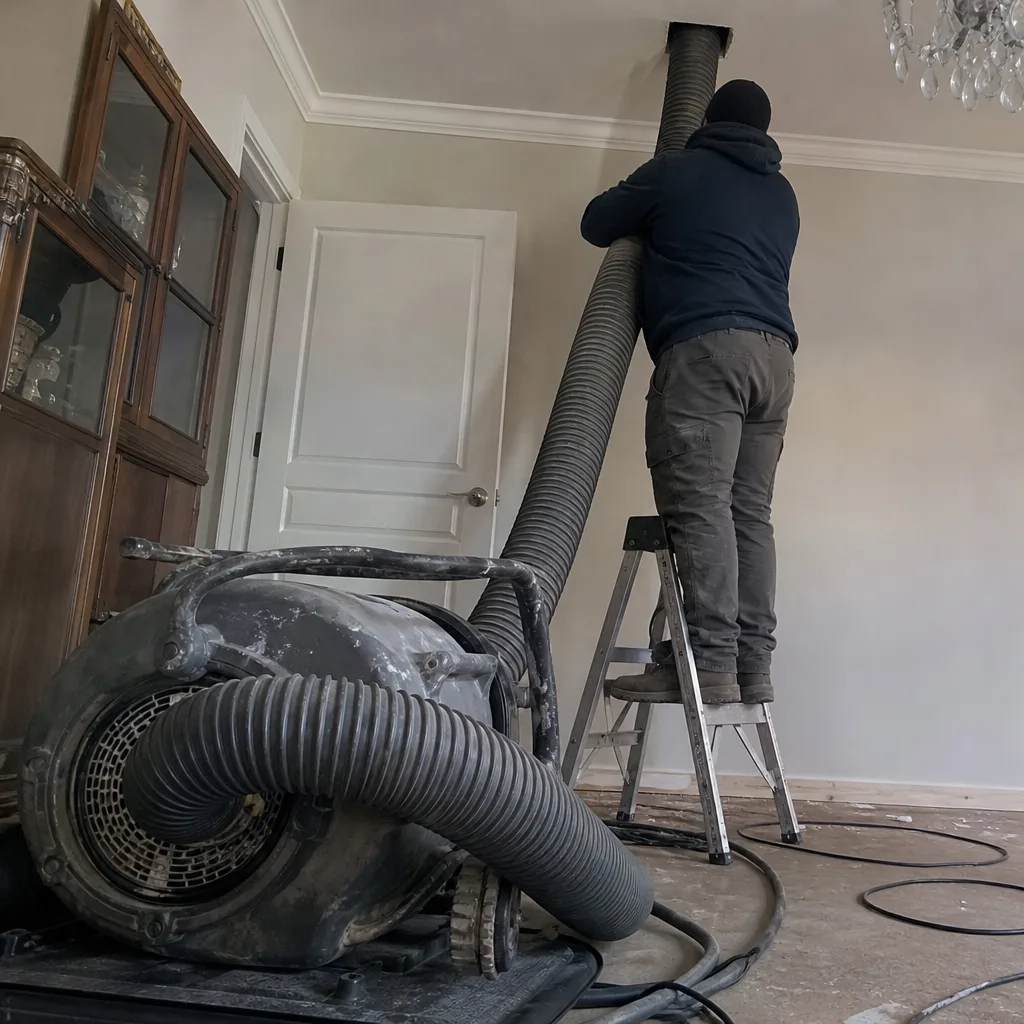
Once a year, the work needs equipment you won’t find at a hardware store. A proper air duct cleaning service uses rotary agitation and negative pressure, not a hose taped to a shop vac. Our technicians work with Rotobrush rotary brush systems and Nikro negative-pressure rigs, and we bring Abatement Technologies filtration equipment, the same class of gear used in professional remediation settings, so what gets loosened gets captured.
Here’s what a full annual service should cover, and what you should be able to ask about without getting a vague answer:
- Source removal in every branch. Supply and return trunks, branch runs, and the plenum at the air handler, not just the floor vents.
- Negative pressure held throughout. The point is to keep dislodged debris from drifting into living space while the work happens.
- Duct integrity inspection alongside the cleaning. Gaps at joints, disconnected runs, and unsealed penetrations through shared walls. Cleaning without this step is half the job.
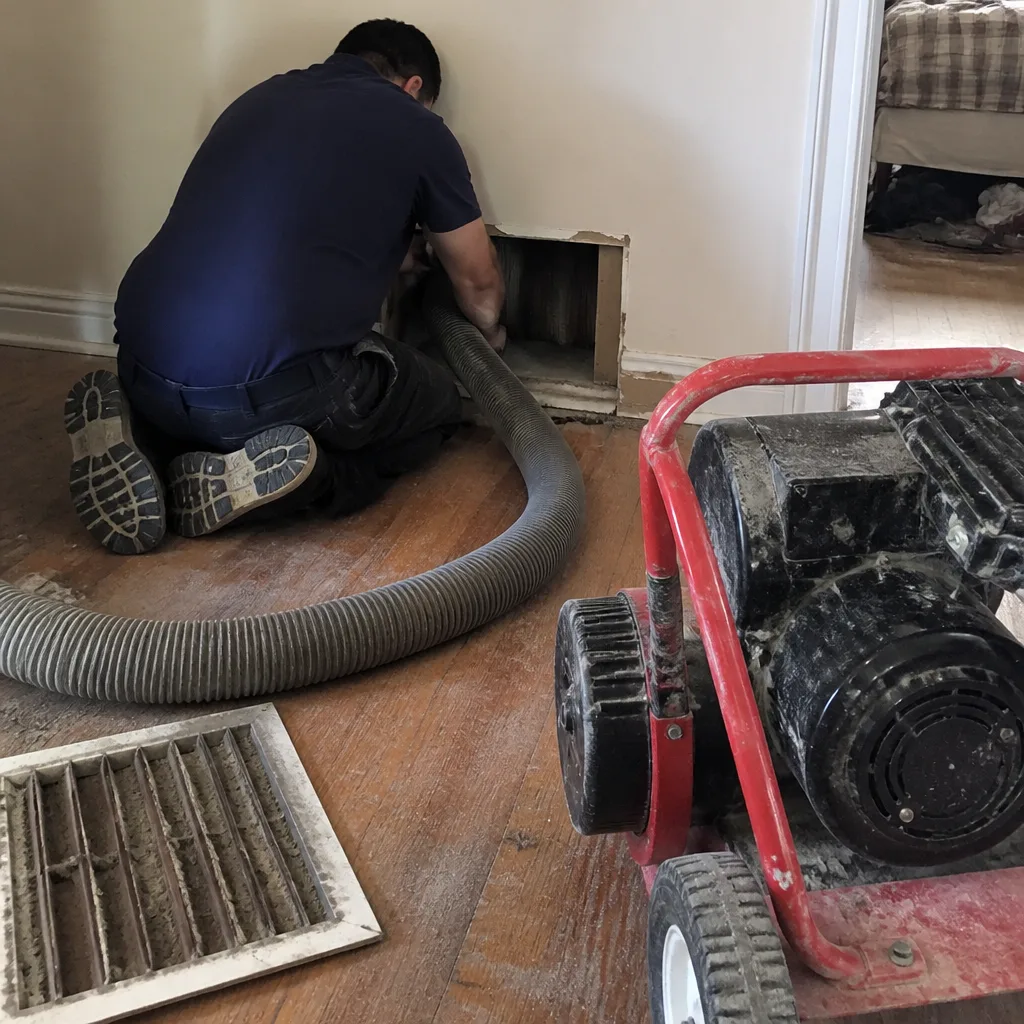
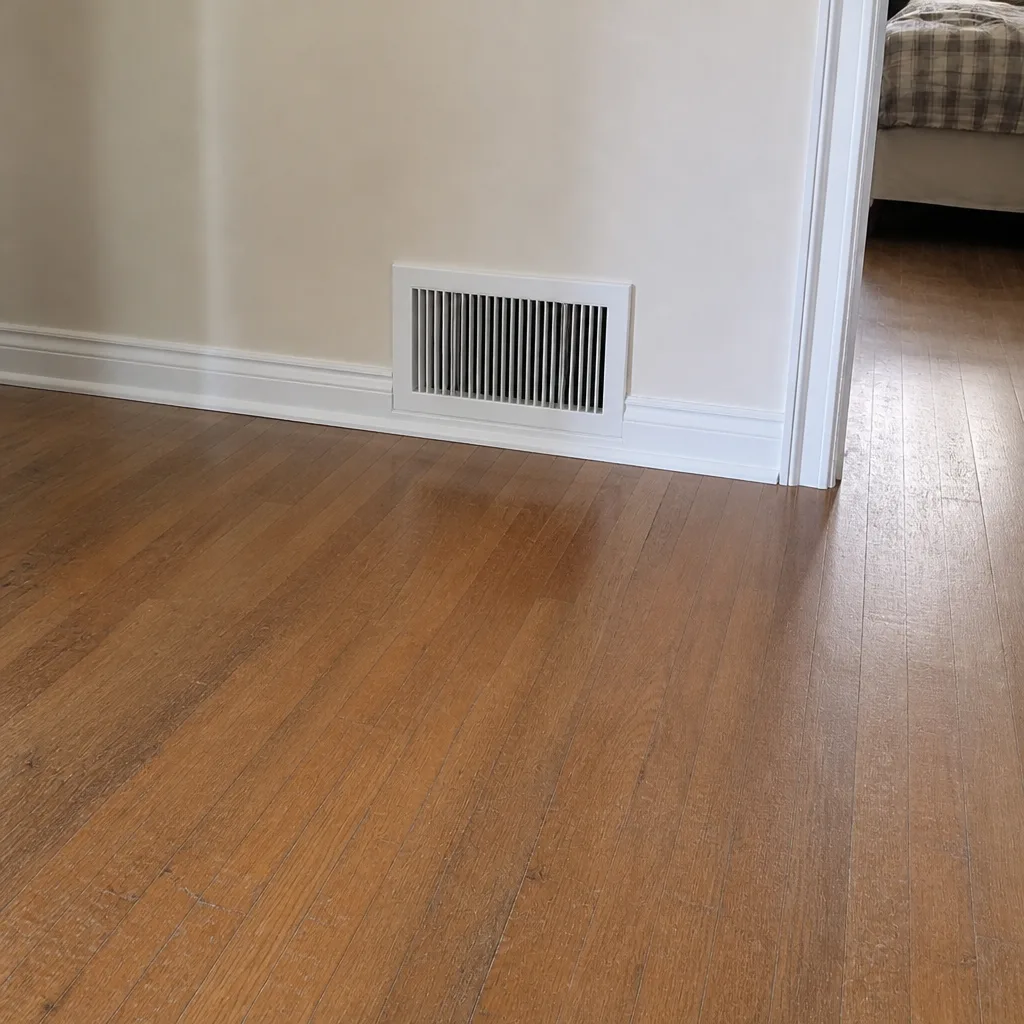
- Before-and-after photographs of your own system. Documentation, not a generic brochure image.
- A written summary of what was found so the next check has a baseline.
If your building also needs dryer vent cleaning, schedule it on the same visit. It’s the same equipment, the same trip, and lint buildup in the vent run is the one item on this whole checklist with a genuine fire risk attached. Our technicians have up to 15 years of experience and can talk you through what a full-system clean involves before anything starts, and we agree one flat price per system before work begins.
Reading Your Filter as a Diagnostic Tool
A loaded filter is not just a filter that’s finished. Look at what’s on it, and where the loading sits, and it will tell you what’s happening inside the system.
- Even grey loading across the whole face. Normal urban particulate for a dense neighborhood. The filter is doing its job. Replace on your own observed schedule, not the packaging number.
- A dark patch in one corner or one edge. Air is bypassing the filter frame at that point. The filter isn’t seated, the frame is bent, or the return box has a gap. That gap is drawing unfiltered air straight into the system.
- Black soot or greasy film on the filter. Stop and get the system looked at. It can indicate combustion byproducts reaching the return air, which is a safety issue and not a duct-cleaning issue.
- Fine white powder. Often drywall dust from renovation work elsewhere in the building. Expect it to keep arriving until the work ends.
- Uneven loading across different returns in the same apartment. One return is pulling harder than another. Usually a partially collapsed flex run or a damper that’s been left half closed.
- Visible debris larger than dust: bits of insulation, fibers, grit. Something upstream is deteriorating. Flex duct liner breakdown shows up exactly this way.
One practical note on rating. Moving from a basic filter to a very high MERV rating on an older system can strain the blower. A MERV-8 is a reasonable middle ground for most Bensonhurst apartments, but confirm what your air handler was designed for rather than guessing. A filter that’s too restrictive behaves like a clogged filter from day one.
Older Bensonhurst Housing and Shared Wall Cavities
A large share of Bensonhurst’s housing stock is attached or semi-attached: brick rowhouses, two-family homes with a shared party wall, and apartments in low-rise buildings where the duct or return chase runs through a common wall cavity. That construction detail drives most of what makes duct maintenance here different from a detached house in a suburb.
The core problem is this: a duct penetration through a shared wall is rarely sealed properly on both sides. Air handlers create pressure differences, and air finds the path of least resistance. If the gap between a duct boot and the wall cavity is open, the system can draw air out of the cavity itself. That air carries whatever is in the cavity, which in an older attached building includes dust from decades of masonry work, cooking odors from the neighboring unit, and moisture from the occasional slow leak.
The signs are usually specific. A cooking smell from next door appearing in a bedroom with no shared kitchen wall. A closet that smells damp only when the heat runs. Dust reappearing on a wall near a return faster than anywhere else in the apartment. None of these are solved by cleaning alone. They’re solved by sealing the penetration. That’s why we treat duct repair and sealing as part of the same job rather than a separate contractor’s problem. Our service scope includes duct repair and sealing alongside cleaning, so a gap found during a clean gets addressed before the system goes back together.
For landlords and property managers of multi-unit buildings, the same logic applies at scale: the shared cavity serves every tenant on the line, so a sealing job on one unit’s penetrations often improves the air quality for the units around it.
The 30-Day Post-Cleaning Watch Window
The four weeks after a professional clean tell you whether the work was done properly and whether anything structural was missed. This is the most useful diagnostic period you will ever have, because you have a clean baseline.
- Day 1 to 3: expect a little settling. A faint dust smell as residual particles settle is normal. Heavy visible dust blowing out of supply vents is not, and it’s worth a call.
- Day 7: check the filter. A filter that’s already loaded dark in the first week after a clean means the system is pulling debris from somewhere the cleaning didn’t reach, or from a leak in the return side.
- Day 14: run a hand over the top of a supply grille. A fresh grey film forming at this point points to a leak downstream of the filter.
- Day 21: sniff the returns on a quiet morning. A musty smell that’s already returned is a moisture source the cleaning didn’t fix. Look at the condensate pan and any basement ductwork.
- Day 30: compare to your before photos. Look at the same sections that appeared in the documentation. If they’ve stayed clean, the job was thorough. If a section is loading again, that section has an issue worth investigating.
Keep the photos and the written summary in one place. The next servicer, whoever it is, will ask good questions rather than default ones, and you’ll know whether a proposed repair is genuinely needed. It’s also how you confirm the work was actually done rather than assumed.
Red Flags That Mean Don’t Wait for the Annual Date
The annual date is a habit, not a rule. Some conditions are worth a call before the calendar says so.
- Any soot, black film, or combustion smell near a return. Stop using the system’s heating function and get it looked at. This is a safety matter, not a dust matter.
- A musty smell that gets stronger when the fan runs. Almost always moisture, often in a condensate pan or a basement run.
- Visible debris falling from a supply grille. Something inside the duct has deteriorated, and a flex liner may be shedding.
- A sudden rise in dust in one room only. Room-specific dust points to a specific leak, not a system-wide load.
- Odor from the neighbor’s unit appearing in yours when the fan cycles. Shared wall cavity leak. Sealing is the fix, not more cleaning.
- Noticeably higher energy bills with no change in usage. A disconnected or leaking run is the usual culprit.
- Dryer taking two cycles to dry a normal load. Restricted vent run. This one has a fire risk attached, so don’t put it off.
Common Mistakes to Avoid
- Replacing the filter on the package’s schedule instead of your own. A Bensonhurst apartment on a busy block can load a filter in a fraction of the printed interval. Check monthly, replace when it’s actually loaded.
- Buying the highest MERV rating available. An older air handler can be restricted by an over-rated filter, which makes the system work harder and can freeze a coil. Match the filter to the equipment.
- Cleaning the vents and calling it a duct cleaning. The vents are the visible part. The trunk line, branches, and plenum hold the debris that matters, and they need rotary agitation and negative pressure to clear.
- Skipping the duct integrity inspection. Clean ducts with unsealed joints re-contaminate on a timeline you never see. Cleaning without addressing gaps in attached Bensonhurst housing is a repeat purchase, not a fix.
- Ignoring a shared-wall cooking smell as “just the building.” It usually means a duct penetration into the party wall is open. That’s a sealing job, and it’s worth addressing.
- Letting a dryer vent go years without attention. Lint buildup in the run is the highest-consequence maintenance item on the list. Don’t wait for a warning sign.
- Accepting a quote without documentation of what gets cleaned. Ask for before-and-after photos, an itemized scope of what’s included, and a flat price per system. A per-vent price and an ambiguous scope is where a cheap quote stops being cheap.
See the difference
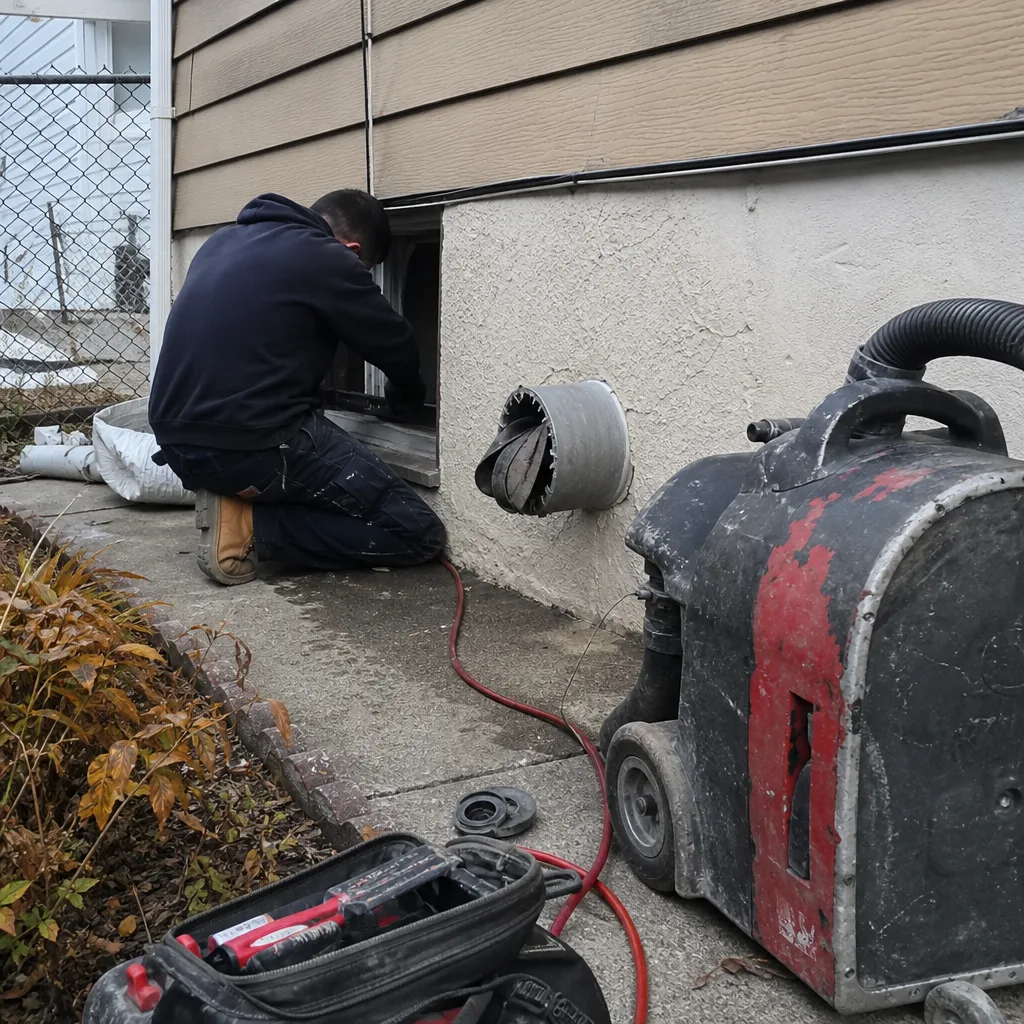 Before
 After
 Before
 After
 Before
 After
When to Call a Professional
Most of this checklist you can do yourself. What you can’t do is reach the inside of a trunk line, agitate the debris off the duct walls, and hold negative pressure so it doesn’t end up back in your living room. Call a professional if any of the following is true: a musty smell returns within weeks of cleaning, the visible dust has a specific source you can’t find, a return or supply grille has visible debris falling from it, a shared-wall cooking smell keeps appearing in a room with no kitchen, or your dryer vent needs attention. Also call if it’s simply been more than a year since the system was cleaned. Air Duct Cleaning Bensonhurst offers free estimates in Bensonhurst. Call (833) 483-0627. We answer 24/7. Fast dispatch from 7am to 7pm, Sunday through Friday.
Frequently Asked Questions
Once a year is a reasonable baseline for most Bensonhurst homes, but the conditions in your specific building should drive the decision more than the calendar. A ground-floor apartment near a busy commercial strip loads its filter far faster than a third-floor unit on a quiet side street, and if you’re seeing fast dust return, a leak is the likely cause and cleaning alone won’t fix it. Watch the returns and the filter, and clean when the evidence says so. Call (833) 483-0627 for a free estimate; we answer 24/7 with fast dispatch from 7am to 7pm, Sunday through Friday.
Air duct cleaning is priced per system, not per vent, and the written estimate sets the final number before any work starts. Whole-system pricing for a typical apartment or single-family home in this area falls in a range set by the number of runs, the size of the system, and whether duct sealing is involved. We give you one flat price for the system with a clear scope. Call (833) 483-0627 for an exact quote. Estimates are free.
Cheap quotes are usually cheap because the equipment and scope are smaller. A shop vac at the vents spends minutes on the visible part and never touches the trunk line, and it can’t hold negative pressure, so loosened debris stays in the system. We bring Rotobrush rotary agitation, Nikro negative-pressure equipment, and Abatement Technologies filtration, and we agree one flat price per system before anything starts. Ask any contractor what equipment they use and whether sealing is included. Call (833) 483-0627 for a free estimate.
Ask for before-and-after photographs of your own system and a written summary of what was found. Anyone doing a proper job will have no issue documenting it, and you’ll have a baseline to compare against if dust returns later. Insist on a flat price per system and a written scope before work begins. Call (833) 483-0627 if you want to talk through what a full-system clean covers.
Usually, yes. In attached Bensonhurst housing, duct penetrations through a shared party wall or cavity are often not sealed on both sides, and the system draws air from the cavity when pressure differs. That air carries whatever the cavity holds, including cooking odor from the next unit. The fix is sealing the penetration, not just cleaning. Duct repair and sealing is part of what we do. Call (833) 483-0627 for a free estimate.
Not automatically at every company, so ask specifically. Our service scope covers HVAC cleaning, air ducts, duct repair and sealing, air quality and sanitizing, and dryer vent cleaning, so one call covers the connected parts. That matters because a clean duct system connected to a dusty air handler or a lint-clogged dryer vent isn’t a finished job. Call (833) 483-0627 to book the full scope. We answer 24/7, with fast dispatch from 7am to 7pm, Sunday through Friday.
The Bottom Line
The most useful duct maintenance schedule is the one built around what you actually observe, not the interval printed on a filter package. Check the filter and grilles monthly, look at the blower area and condensate pan quarterly, and have the full system professionally cleaned and inspected once a year. Watch those first thirty days after a clean carefully, because that’s when a leak or a shared-wall gap shows up clearest. And treat a musty smell, a soot film, or a neighbor’s cooking odor as a signal to call early, not to wait for the date you circled. That habit, done consistently, keeps a Bensonhurst system running cleaner for longer than any calendar ever will.
Written by the team at Air Duct Cleaning Bensonhurst.