
Last updated November 22, 2026
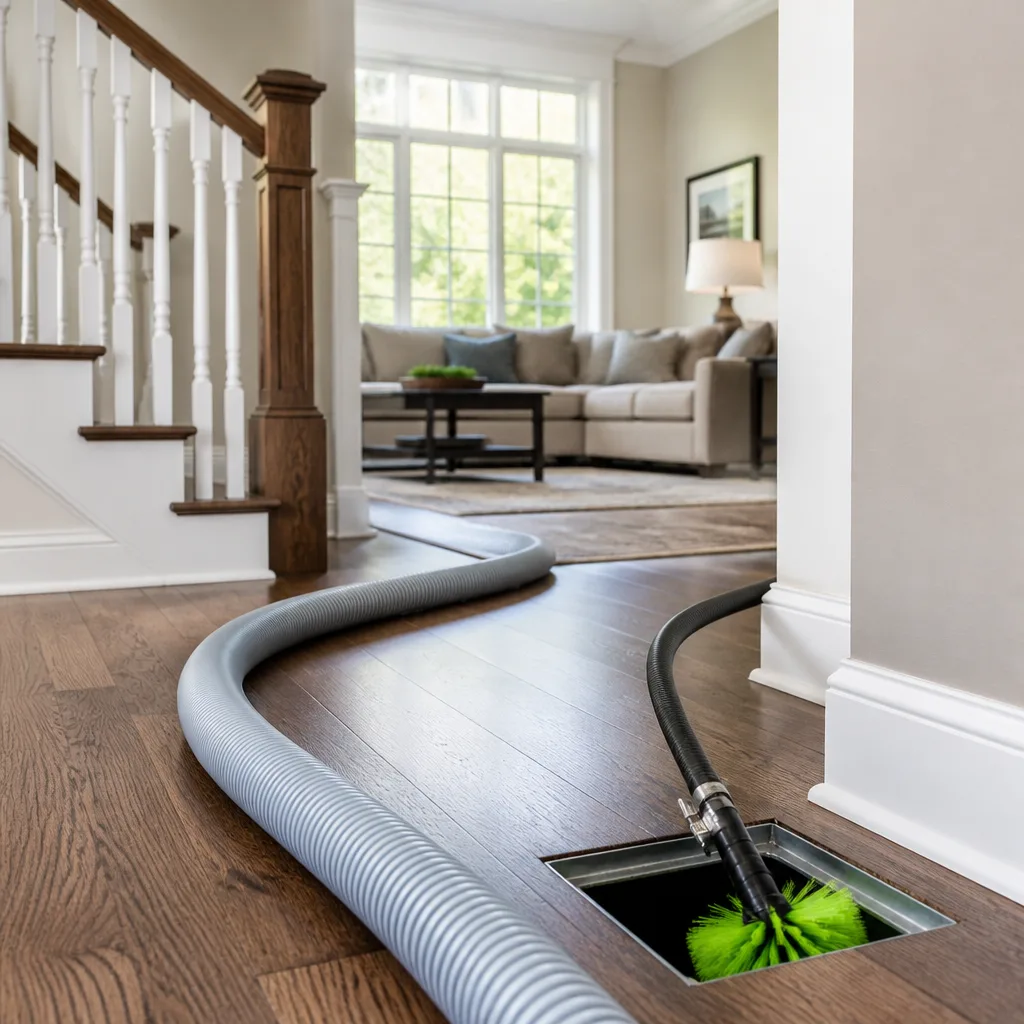 Whole-home duct cleaning
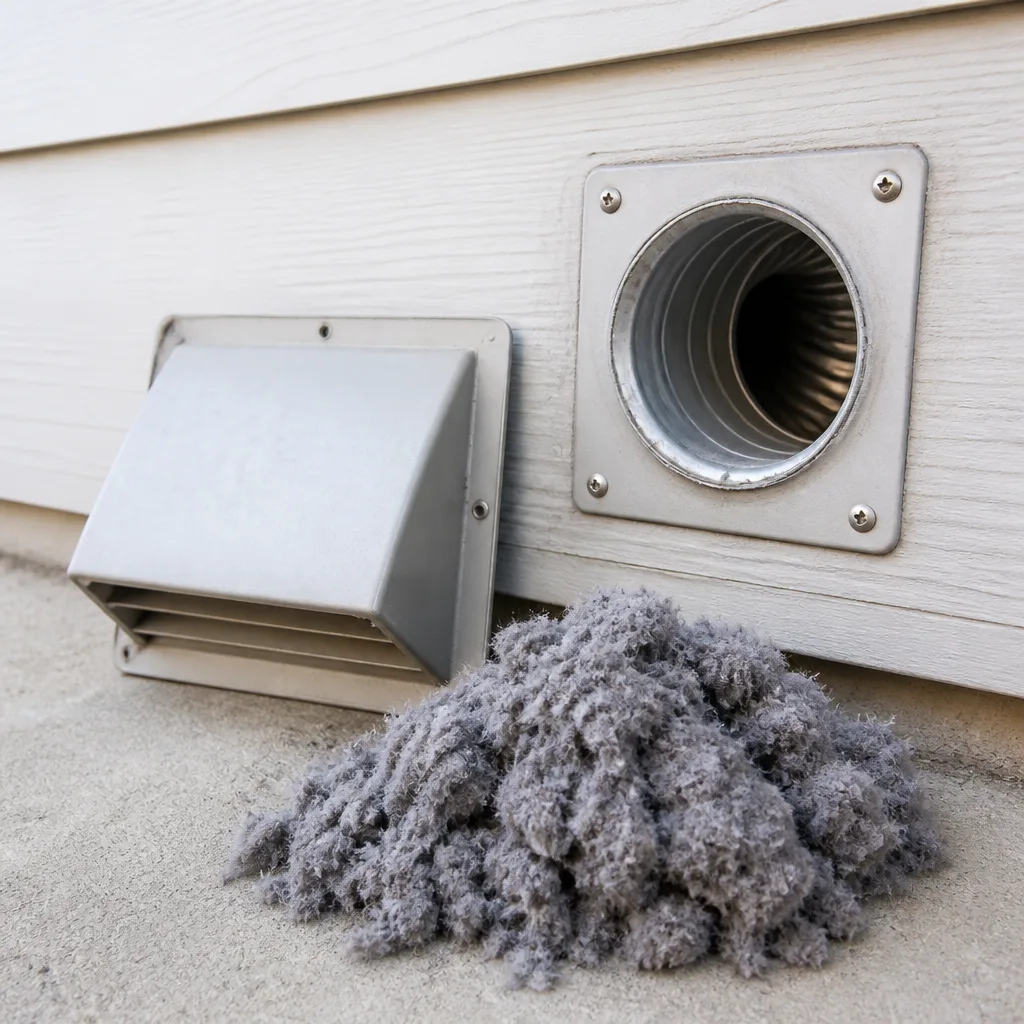 Dryer vent cleaning
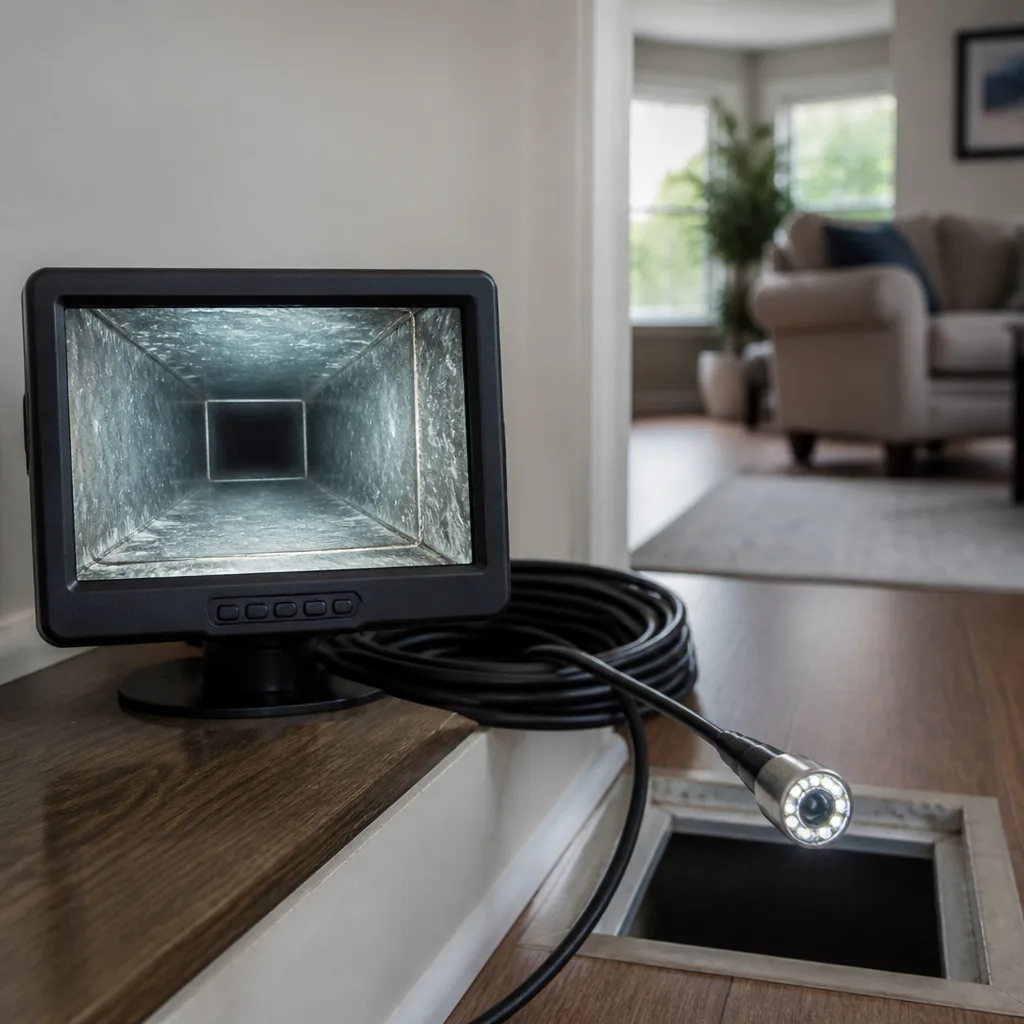 Camera inspection
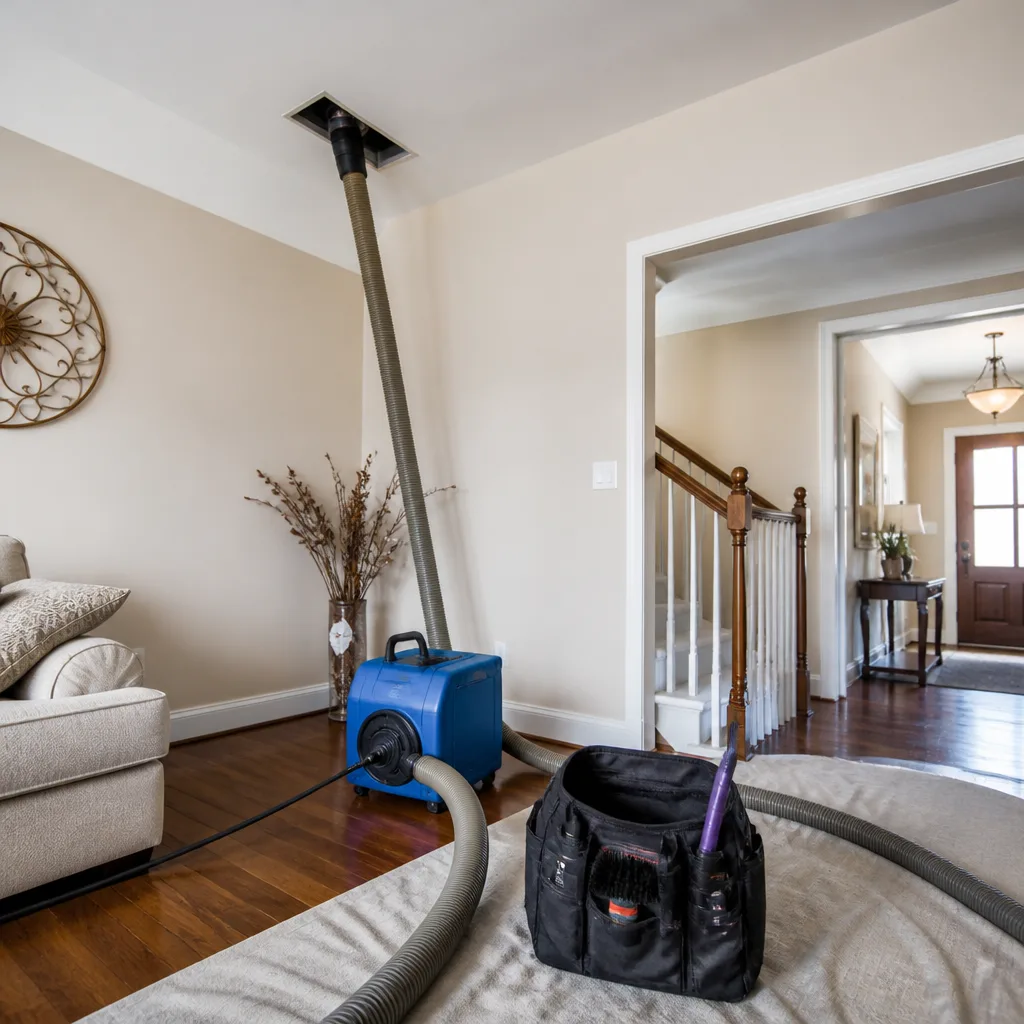 Sanitizing & deodorizing
Whole-system duct and dryer vent check with before-and-after photos - you see exactly what came out of your vents
That "$99 whole-house special" is a bait ad - the real number appears once they are in your hallway, or the "clean" is a shop-vac at the register. We photograph the inside of your ducts before and after instead.
DIY vs Professional Air Duct Cleaning: The Bensonhurst Homeowner’s Decision Guide
A consumer dryer vent cleaning kit with a shop vac can clean a straight, short duct run reasonably well. Put that same setup into a Bensonhurst two-family with 40 feet of insulated flex duct, two 90-degree bends, and a return plenum behind a finished wall, and you’re more likely to collapse the flex duct than clean it. That’s the real dividing line in this debate. It isn’t about whether you’re capable. It’s about whether the equipment you can buy can do the one thing duct cleaning actually requires: hold the whole system under negative pressure while something inside it agitates the debris loose. This guide explains the physics, the DIY tasks that genuinely help, the ones that cause damage, and how to decide which side of the line your Bensonhurst home falls on.
Quick Answer
Professional air duct cleaning is worth it when your system has visible contamination, recent renovation dust, musty odors, or anyone in the household with respiratory sensitivity; DIY is appropriate for surface maintenance like washing vent covers and changing filters. The reason isn’t skill, it’s equipment: a professional setup like the Nikro negative-pressure rig holds your entire duct system under vacuum while a rotary brush like the Rotobrush agitates debris toward a sealed collection point, and no consumer vacuum can replicate that pressure differential. DIY duct cleaning with a shop vac mostly redistributes dust back into the room.
Styles & brands we work with
- Whole-home duct cleaning
- Dryer vent cleaning
- Camera inspection
- Sanitizing & deodorizing
Table of Contents
- Why Negative Pressure Is the Whole Game
- The DIY Tasks That Actually Work
- The DIY Tasks That Cause Damage
- A Decision Framework for Your Bensonhurst Home
- The Honest Cost Comparison
- What’s Different About Bensonhurst Duct Systems
- Common Mistakes to Avoid
- When to Call a Professional
Why Negative Pressure Is the Whole Game
Duct cleaning works because of a pressure differential, not because of suction strength at the nozzle. Here’s what that means in practice. A professional rig connects to the main trunk or a designated access point and pulls the entire duct system into negative pressure relative to the rooms around it. Every branch, every return, every run behind your drywall is now under vacuum. When a technician then agitates debris inside a run with a rotary brush, that debris has only one direction it can travel: toward the collection point, where a HEPA-style filtration unit traps it.
That’s what the Nikro negative-pressure equipment is doing. It isn’t a big vacuum cleaner. It’s a containment system. It creates the pressure differential first, then holds it while the mechanical agitation happens, then filters everything that comes out. The Air Duct Cleaning Bensonhurst approach uses this order deliberately: contain, agitate, extract.
Now consider a shop vac at a floor vent. It pulls air from the room it’s sitting in, through the vent, and back out the exhaust into the same room. The moment you agitate dust with a brush, you’re loosening particles that the vacuum cannot contain because there’s no seal and no system-wide pressure. Some of it goes into the vac. A lot of it goes into the air you’re breathing. Consumer equipment pulling at the same point it’s cleaning can’t create negative pressure anywhere except a few inches around the hose.
- Professional setup: Sealed connection at one end, whole-system vacuum, agitation inside each run, HEPA filtration at the collection point.
- Consumer setup: Loose hose at a vent, no seal, no system-wide vacuum, exhaust back into the room.
- The difference: Containment versus redistribution. That’s it.
This is also why equipment built for remediation work matters. Abatement Technologies filtration units are the same class of equipment used in mold and contaminant remediation, where the standard is that nothing escapes the work zone. Using that grade of filtration in a Bensonhurst home means the dust that comes out of your ducts ends up in a filter, not on your furniture.
The DIY Tasks That Actually Work
Plenty of duct-adjacent maintenance is genuinely appropriate for a homeowner, and doing it well extends the life of your system. These tasks don’t require negative pressure because they don’t involve loosening debris inside the ductwork.
- Remove and wash vent covers. Pop the supply and return grilles off, wash them in a sink with warm soapy water, dry them fully, and reinstall. This is the single most effective DIY task. Grilles collect visible dust and are easy to clean without touching the duct interior.
- Replace filters with the correct MERV rating. Match the filter to your system’s spec, not to the highest number on the shelf. A filter that’s too restrictive strains the blower and reduces airflow. Check your air handler’s manual or the sticker inside the unit for the recommended rating, and change it on the interval that matches your household (more often if you have pets or allergies).
- Inspect the dryer vent visually for lint buildup. Pull the dryer out, disconnect the vent, and look inside the duct and at the exterior termination. Lint accumulation around the transition and the outside flap is a real fire risk. Visual inspection is safe. Clearing a long or complicated run is where you want professional dryer vent cleaning, because a clogged dryer vent is a leading cause of house fires and a partially cleared vent gives false confidence.
- Clean the condensate drain pan. During cooling season, the pan under your air handler collects standing water and can grow biological film. Wipe it down, check that the drain line flows freely, and make sure the pan isn’t cracked. This is a fifteen-minute job that prevents a much bigger problem.
- Keep return grilles clear. Furniture, rugs, and storage boxes pushed against return grilles starve the system and increase static pressure. A quick walkthrough of your Bensonhurst apartment or house to clear returns is free and effective.
Notice what these tasks have in common. None of them involve pushing a brush into a duct run. They’re maintenance on the accessible components around the system, and they’re worth doing regardless of whether you ever hire a professional.
The DIY Tasks That Cause Damage
The consumer duct cleaning kits sold online look reasonable. A flexible brush on a drill or a spinning whip attachment on a shop vac. The problem is what happens when that brush meets real ductwork in a real Bensonhurst building.
- Flex duct puncture. Insulated flex duct is common in Bensonhurst renovations and additions, and its inner liner is thin. A stiff brush kit pushed through a bend can tear the liner or separate it from the outer jacket. Once the liner is compromised, the duct leaks conditioned air into wall cavities and pulls unconditioned air back in. You’ve traded dust for an energy and air-quality problem.
- Spreading contamination without containment. If there’s microbial growth on a duct surface, brushing it loose without negative pressure and HEPA filtration aerosolizes spores into the living space. That’s a health problem you created, not solved. This is why remediation-grade equipment exists.
- Dislodging duct tape seals at joints. Older Bensonhurst systems often rely on foil tape at joints and plenum connections. Tape that’s been in place for decades is brittle. A brush catching a taped seam can peel it back, opening a leak you can’t see and won’t notice until your heating bill climbs or a room stops heating evenly.
- Collapsing flex runs at bends. A shop vac strong enough to be useful is strong enough to collapse a flexible run if you seal it against a vent. This is the failure mode we described in the opening, and it’s more common than people expect in tight multi-family construction.
Here’s the uncomfortable part: the damage usually isn’t visible. You finish, the vents look clean, and the leak or the torn liner stays hidden behind drywall for years. That’s the argument for either doing the safe tasks only, or bringing in equipment that was designed around the duct system rather than around a homeowner’s budget.
A Decision Framework for Your Bensonhurst Home
Run your situation against these four questions. If any of them lands on the professional side, professional cleaning isn’t optional.
- How old is the system, and has it ever been cleaned? A system that’s been running for many years without service in a Bensonhurst building has accumulated debris in places you can’t see: the return plenum, the trunk, the boot connections behind the wall. Consumer kits reach maybe the first few feet of a straight run. Professional equipment reaches the whole system.
- Is there visible contamination? Look at the inside of a supply register with a flashlight. Dark staining, fuzzy growth, or heavy dust matting on the duct walls means there’s more of the same further in. That’s a professional job, full stop, because agitating it without containment makes it worse.
- Has there been recent renovation or construction? Drywall dust, sawdust, and insulation fibers settle into ductwork during a renovation and stay there. If you’ve had work done in the last couple of years, a full-system clean is worth considering before you move back into the space or before a new tenant arrives. This matters especially for landlords managing multi-unit buildings.
- Does anyone in the household have health vulnerabilities? Asthma, allergies, young children, older adults, or anyone with a compromised immune system shifts the risk calculation. Contaminants that a healthy adult might shrug off are a real concern for these household members.
One more question worth asking: is the duct system itself sound? Cleaning a system with disconnected runs or open gaps just re-contaminates it within weeks. That’s why air duct cleaning done properly includes a look at duct integrity, and why we handle Duct Repair & Sealing as part of the same visit rather than sending you to find a second contractor. Clean ducts are only half the job if the system leaks.
The Honest Cost Comparison
The consumer math looks obvious: a kit costs a fraction of a professional service. But the comparison only holds if both options actually clean the same percentage of your system, and they don’t.
A typical consumer kit gives you a brush, a hose, and a shop vac. Realistically it reaches the first straight segment after a vent, maybe two. In a Bensonhurst two-family with long branch runs, bends, and a return plenum behind finished walls, that’s a small fraction of the total duct volume. The labor time involved is not small: you’re pulling vent covers, dragging a shop vac around, cleaning up the dust that escaped, and reinstalling everything, and you still haven’t touched the trunk or the plenum.
A professional full-system clean covers the supply and return sides, the trunk, the plenum, the boots, and the air handler area, with containment so the debris leaves the house. Our technicians have up to 15 years of experience, and the work is priced per system by a written estimate agreed before anything starts. No per-vent pricing, no coupon that turns into a bigger invoice once the equipment is in the driveway.
If you want a sense of the range, the honest answer is that professional duct cleaning in Bensonhurst varies by system size, accessibility, and how much repair is needed, and the only number that means anything is the one written on your estimate after someone has looked at your system. Call (833) 483-0627 for a free estimate. We answer 24/7, with fast dispatch from 7am to 7pm, Sunday through Friday.
What’s Different About Bensonhurst Duct Systems
Bensonhurst housing stock shapes this decision more than most homeowners realize. The neighborhood is dominated by attached two- and three-family buildings, many of them built and renovated across several decades, which means duct systems here are often a patchwork: original runs extended, flex duct added during a renovation, a return plenum boxed into a closet, and a system that’s been modified more than once. That patchwork is exactly where consumer equipment fails and where a professional assessment earns its keep.
A few local realities worth knowing:
- Short, shared, and stacked runs. Multi-family construction packs a lot of ductwork into tight chases and between-floor spaces. Those runs are long enough to accumulate debris and awkward enough that a homeowner brush kit can’t follow them.
- Basement and cellar air handlers. In many Bensonhurst homes the air handler and the return plenum sit in a basement or cellar with a lower ceiling and unfinished surroundings. That’s dust-generating space, and a shop vac running down there without containment is spreading exactly what you’re trying to remove.
- Humidity and cooling season. New York summers are humid, and a cooling coil that stays wet during the season creates the moisture conditions that biological growth on duct surfaces needs. That’s a reason to inspect in early summer and to be careful about what you agitate.
- Landlord and property-manager responsibility. If you’re managing tenant units in Bensonhurst, air quality issues in one unit often trace back to a shared system element. A documented full-system clean with before-and-after photos of your ducts is the kind of record that settles a tenant complaint.
The same reasoning applies to the rest of the system. HVAC cleaning covers the coil, the blower, and the cabinet, where dust and biological film collect just as readily as they do in the ducts. We work on the whole system, not just the vents, because cleaning the ducts while leaving a dirty coil and blower in place is incomplete.
Common Mistakes to Avoid
- Treating a shop vac as a duct cleaning system. A shop vac doesn’t create negative pressure across the system, and its exhaust puts fine dust right back into the room. If dust is the problem, this makes it worse.
- Brushing flex duct with a stiff kit. The inner liner on flex duct tears easily, and a torn liner turns a clean duct into a leaking one. Flex runs in Bensonhurst renovations are particularly vulnerable.
- Vacuuming visible growth without containment. Agitating microbial contamination in an open room aerosolizes spores. This is a job for remediation-grade filtration, not a household vacuum.
- Ignoring duct integrity before cleaning. Cleaning a system with disconnected runs, gaps at the plenum, or failed tape seals just re-contaminates it. Repair and sealing should be part of the plan, not an afterthought.
- Choosing a quote on price alone with no scope in writing. The coupon-to-invoice jump is a real pattern in this trade. One flat price per system, agreed before work starts, is the standard to hold anyone to.
- Skipping the dryer vent. Duct-only cleaners often don’t touch it. A lint-choked dryer vent is a fire risk that has nothing to do with your air quality and everything to do with safety.
- Assuming a clean filter means clean ducts. The filter catches what reaches it. Debris that settles on duct walls and the plenum never gets near the filter, so the filter looks fine while the system isn’t.
When to Call a Professional
Call a professional when you can see contamination inside a register, when there’s been renovation dust in the last couple of years, when the system has never been cleaned and the building is older, when musty odors follow the air through the house, or when anyone in the household has asthma or allergies. Call if your ductwork is flex-heavy or the layout is complicated, because that’s where DIY kits cause damage. If you’re a landlord dealing with tenant air-quality complaints in Bensonhurst, a documented full-system clean with before-and-after photos of your own ducts answers questions no amount of verbal assurance will. Air Duct Cleaning Bensonhurst offers free estimates in Bensonhurst. Call (833) 483-0627. We answer 24/7, with fast dispatch from 7am to 7pm, Sunday through Friday.
See the difference
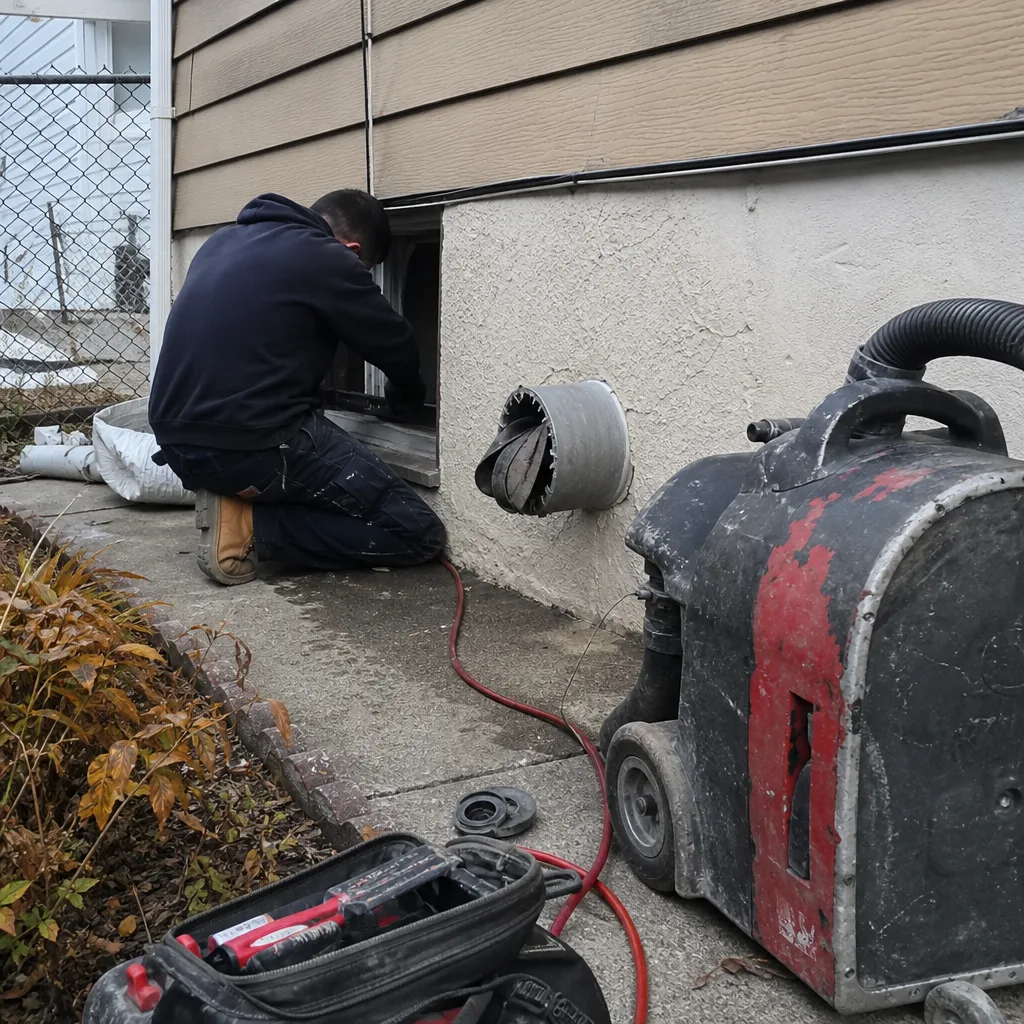 Before
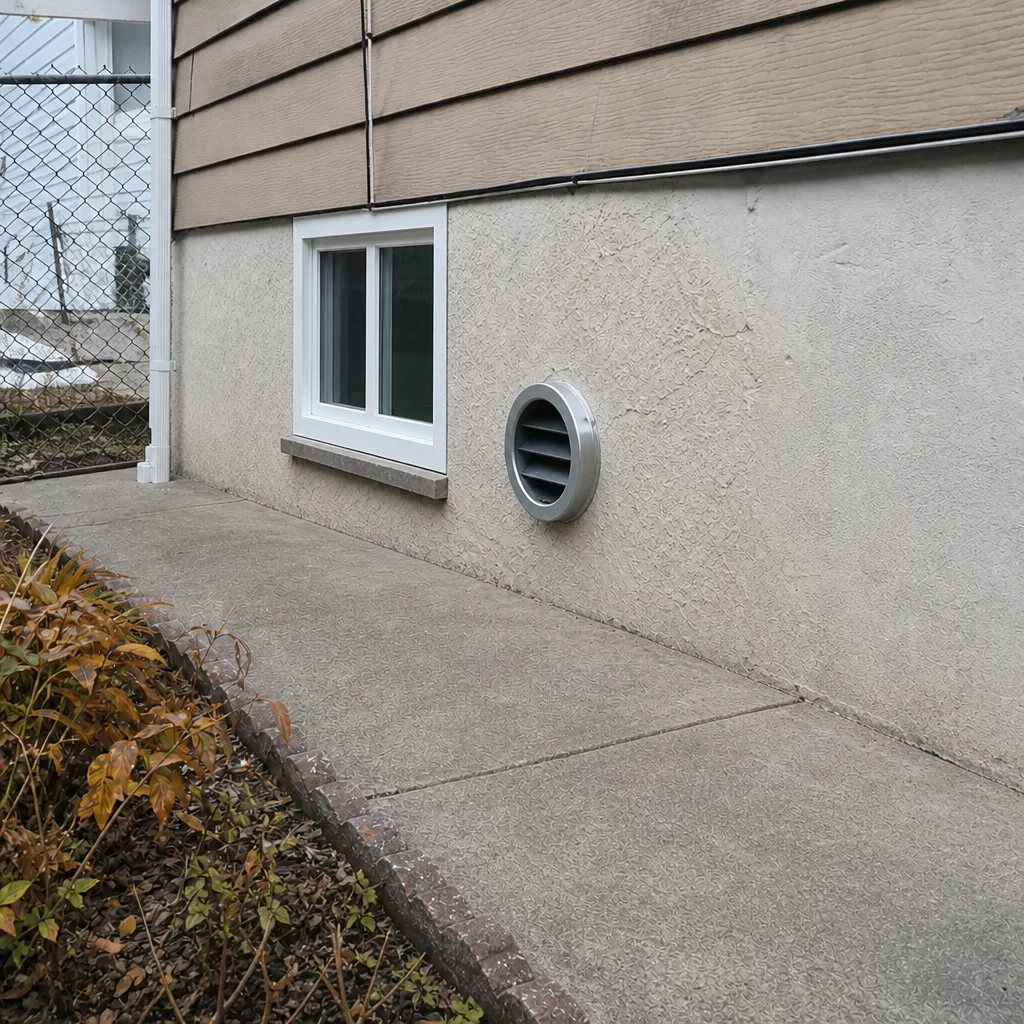 After
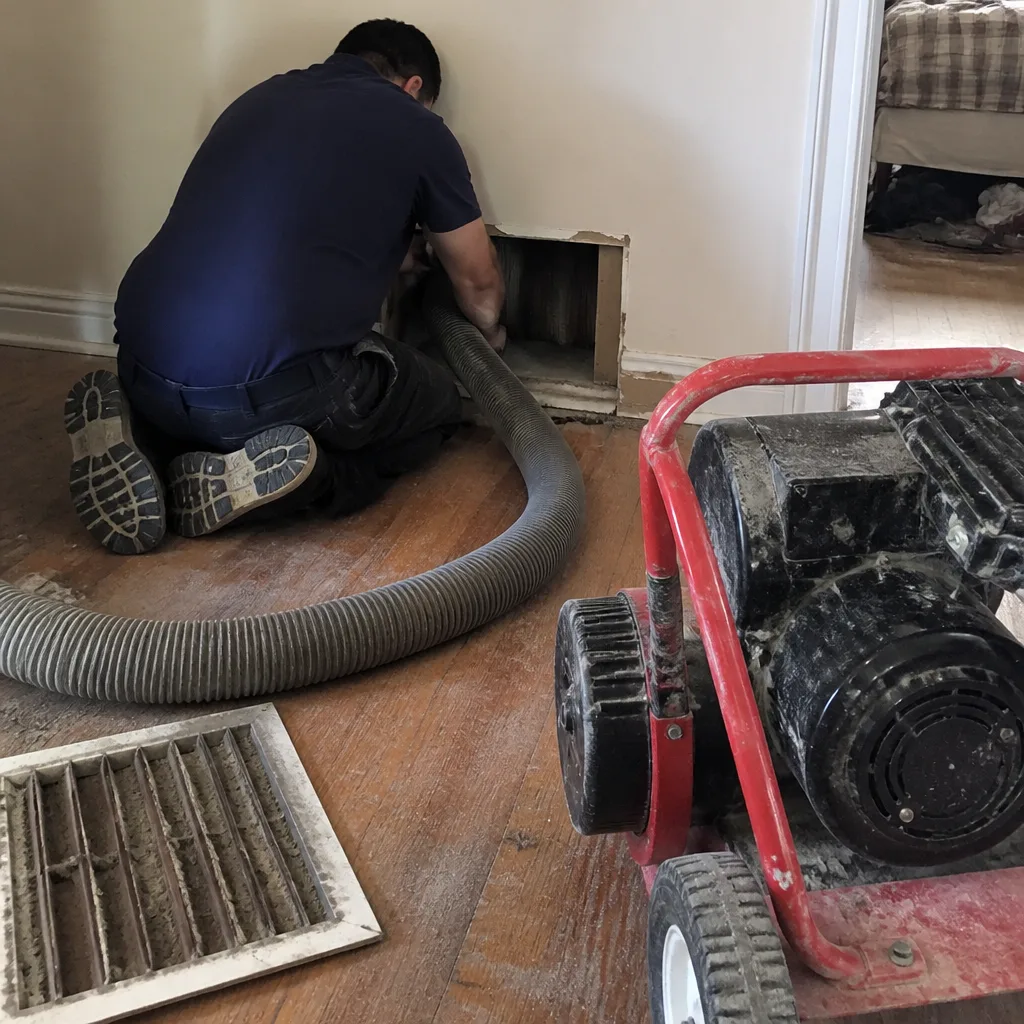 Before
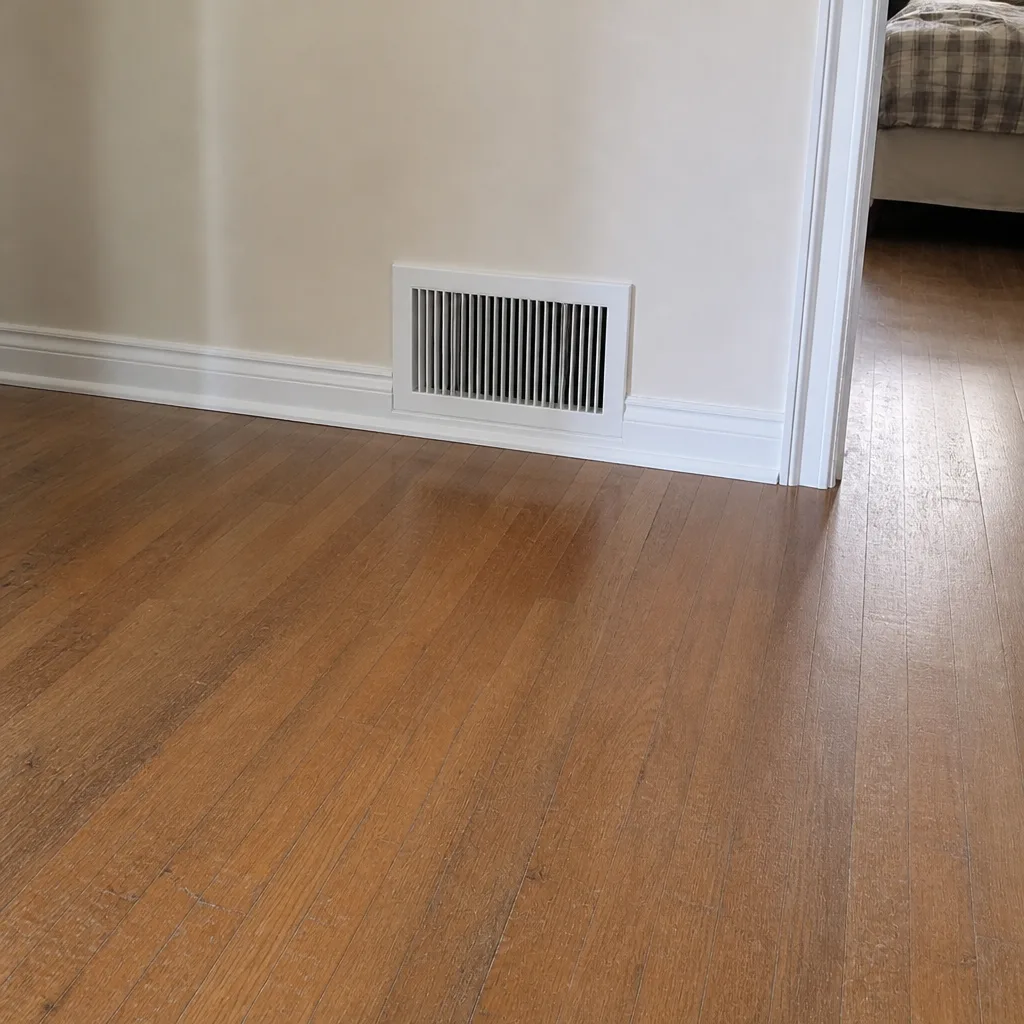 After
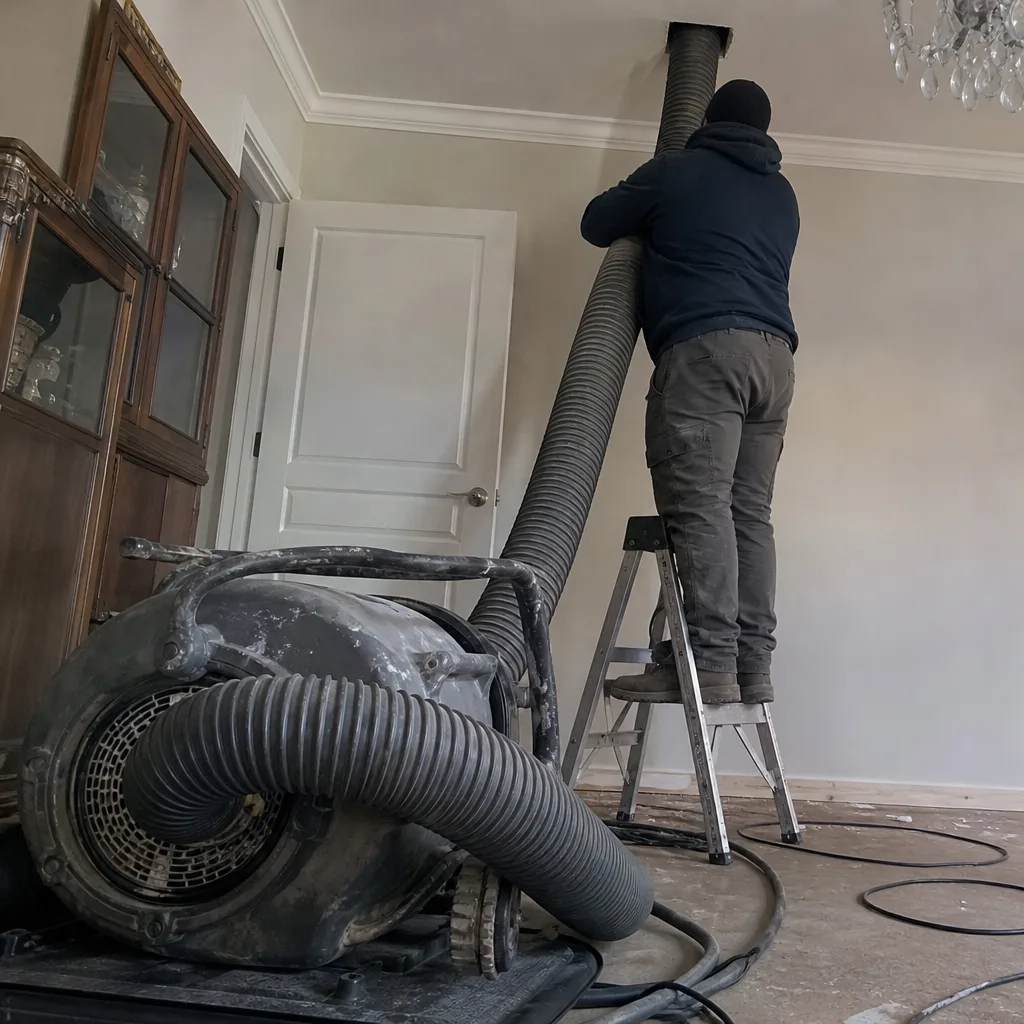 Before
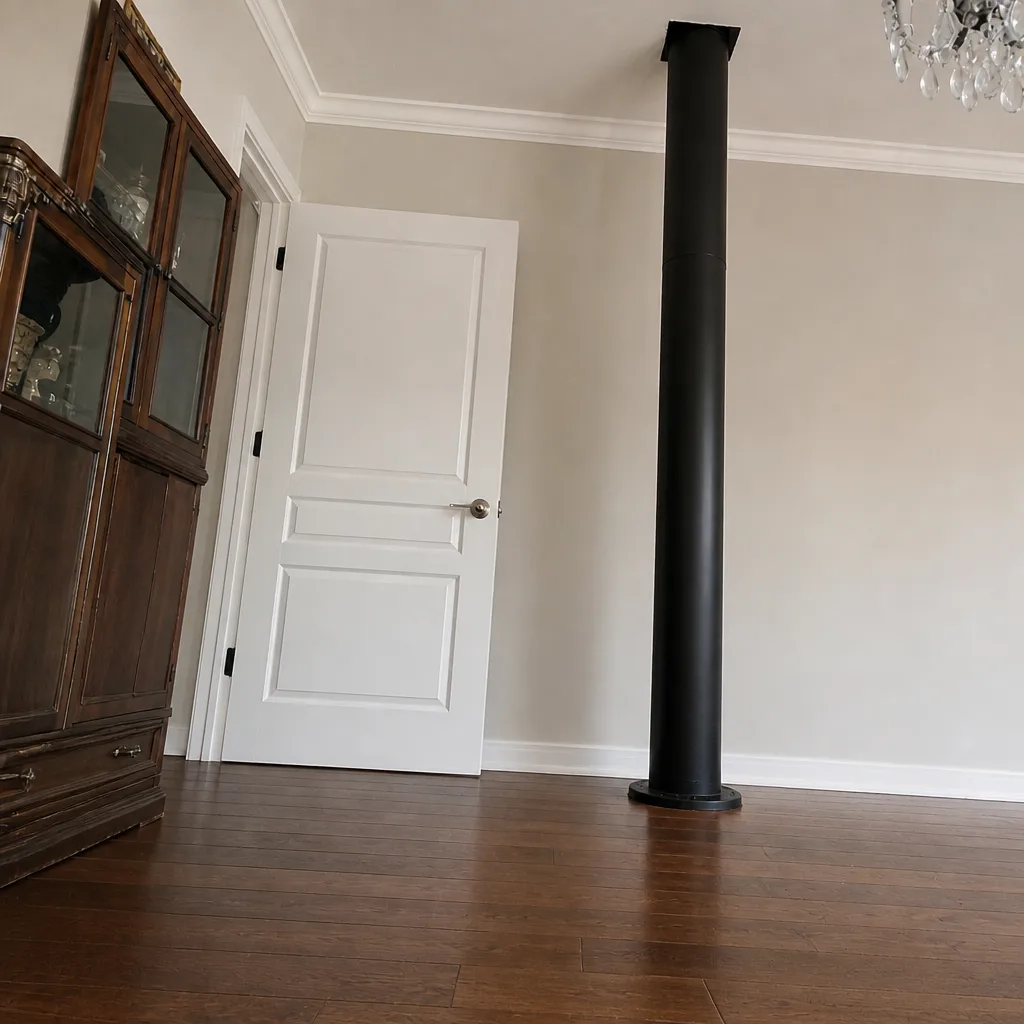 After
Frequently Asked Questions
It depends on system size, accessibility, and whether duct repair is needed, and the written estimate sets the final price. Rather than quote a misleading per-vent number, we price per system after looking at what you actually have. Call (833) 483-0627 for a free estimate. We answer 24/7, with fast dispatch from 7am to 7pm, Sunday through Friday.
Cheap quotes usually describe a much smaller job than the one you think you’re buying: a quick pass at the vents with consumer-grade suction, no containment, no plenum or air handler work. The low number is real, it just doesn’t cover a full-system clean. Ask for the scope in writing and one flat price per system before work starts. Call (833) 483-0627 for an honest estimate.
Ask for before-and-after photos of your own ducts, not stock images. You should be able to see the interior of a register boot and the plenum before and after, and the photos should match your system’s configuration. That’s the standard we hold ourselves to. Call (833) 483-0627 to schedule.
Most homes don’t need it on a fixed schedule; the triggers are contamination, renovation, moisture, or health concerns. A system with visible growth, a recent renovation, or a household member with asthma warrants a professional clean. Clean filters and clear vents between services. Unsure? Call (833) 483-0627 for a free assessment.
You can clean the accessible parts safely: vent covers, filters, the condensate pan, and a visual check of the dryer vent. What you can’t do is hold the whole system under negative pressure while agitating debris, and that’s the mechanism the job depends on. Brushing flex duct or growth without containment risks damage. Call (833) 483-0627 if you’re unsure which side of that line your system is on.
Often yes, because shared chases, long branch runs, and basement air handlers make containment and full-system coverage more important, not less. Landlords also benefit from documented before-and-after photos for tenant records. We scope multi-unit work by system, not by unit count. Call (833) 483-0627 for a free estimate.
The Bottom Line
DIY duct cleaning fails for a technical reason, not a matter of capability. Professional cleaning works because the entire duct system is held under negative pressure while debris is agitated toward a sealed, filtered collection point, and consumer equipment can’t reproduce that. Do the safe DIY maintenance: wash the vent covers, change the filter to spec, inspect the dryer vent, clean the condensate pan. Skip anything that pushes a brush into ductwork, especially flex runs and anything with visible growth. If your Bensonhurst home has contamination, recent renovation dust, moisture, or a vulnerable household member, get an assessment before you spend on a kit. Call (833) 483-0627 for a free estimate. We answer 24/7, with fast dispatch from 7am to 7pm, Sunday through Friday. Our technicians have up to 15 years of experience, and we can work with your insurer when that’s relevant.
Written by the team at Air Duct Cleaning Bensonhurst.