
Nikro Air Duct Cleaning in Bensonhurst: A Homeowner’s Guide
Negative pressure isn’t a marketing term. It’s a physical condition measured in inches of water column, and most residential duct cleaning rigs can’t actually achieve it in a full Brooklyn row house duct system. That gap matters, because a machine that can’t hold the system under vacuum doesn’t extract debris so much as stir it up. If you’ve watched a technician hook a shop vac to a floor register and heard the whole house rattle, you already know the difference between cleaning and agitating. If you’d rather skip the guesswork, call (833) 483-0627.
What Nikro negative-pressure equipment actually does
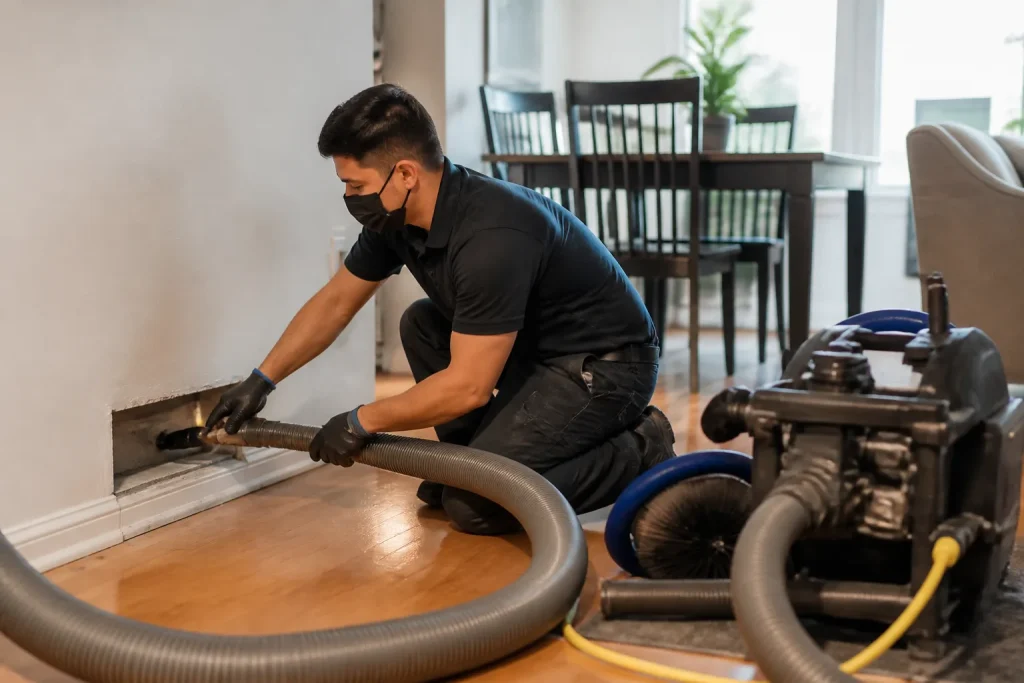
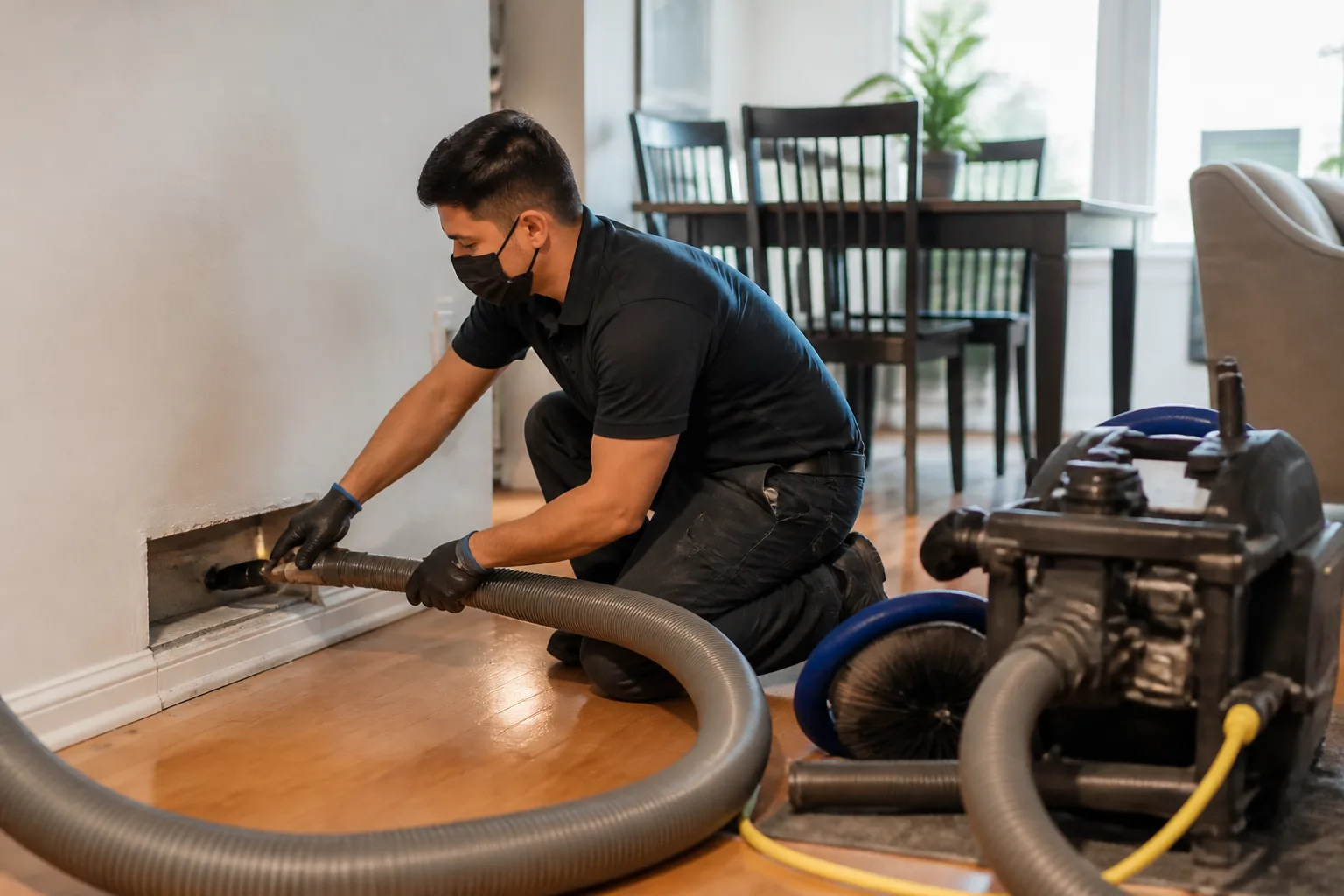
A Nikro setup is two machines working as a pair, and that pairing is the whole point. A collection unit, usually a high-volume vacuum with multi-stage HEPA filtration, parks outside or at the truck and connects to the duct system through a sealed collar. A separate agitation tool, like a rotary brush, works through the supply runs from the inside. The vacuum holds the system at negative pressure while the brush loosens what’s stuck to the duct walls.
In practical terms, negative pressure means air moves into the ducts from the rooms rather than out of the ducts into the rooms. Any debris the brush frees gets pulled toward the collection unit instead of drifting into the living space. That’s the containment piece, and it’s why this approach gets specified for homes where someone is immunocompromised, elderly, or living with asthma or serious allergies. Those households are exactly where you don’t want fine particulate pushed back into the air for an afternoon.
HEPA filtration on the collection side is the second half of the containment story. A standard shop vac filters at a level that catches sawdust and not much else. A HEPA stage traps the fine fraction before the exhaust air leaves the machine. Equipment built for remediation work, used in your home: that’s the standard Nikro rigs are designed around.
CFM, inches of water column, and what the numbers mean for a Bensonhurst house
Airflow ratings get thrown around as if bigger is automatically better. What matters is the match between the collection unit’s capacity and the size of the duct system it’s pulling on. A small residential unit moves a few hundred cubic feet per minute and holds a tight seal on a compact system. A larger unit, the kind spec’d for multi-family buildings and long commercial runs, moves enough air to maintain vacuum across a much bigger volume.
Bensonhurst gives that math a workout. A lot of the housing stock here runs deep rather than wide: two- and three-family row houses, long horizontal trunk runs, elbows stacked one after another to reach front and rear rooms. Every elbow costs airflow. A rig that’s rated well on a short straight run can lose its grip halfway down a long branch. That’s why a proper setup includes a collar seal at the collection point and verified vacuum at the far registers, not just a machine running somewhere in the hallway.
If you want to ask good questions before hiring anyone, start here:
- What’s the collection unit’s airflow rating, and is it sized for this system?
- How do you confirm negative pressure holds at the farthest register?
- Is the filtration HEPA, and does it run on the exhaust side of the collection unit?
Why old galvanized and flex duct makes containment more important
Older duct systems in Bensonhurst were built to move air, not to stay clean. Galvanized steel develops surface corrosion and pitting after enough heating and cooling cycles, and those pits hold dust like grip tape. Flexible duct, especially the older inner liner, gets brittle with age and releases fibers when it’s agitated harshly. Both are common in this neighborhood, and both change what a cleaning job needs to look like.
A brushed, high-pressure blast without containment on a brittle flex run can loosen more than it removes. Under negative pressure, the debris releases into a controlled air stream and gets captured. The difference is the pressure condition in the duct at the moment the brush touches it.
Bensonhurst’s summers add a humidity angle. A poorly sealed duct system in a humid stretch pulls moist air into the run, and damp dust is heavier and stickier than the dry version. It clings to the pitted galvanized surface, and it doesn’t come off with a light pass. Containment keeps the larger loosened load from touring the house while the brush works, and it’s one reason we treat duct repair and sealing as part of the same conversation. Clean ducts are only half the job if the seams that let debris and moisture in are still open. One call covers cleaning, repair, and air quality treatment.
What a proper Nikro-based job looks like, step by step
Setup is the part that separates a real job from a quick one, and you can watch for it. Here’s the general sequence a Nikro-based cleaning follows:
- 1
Access points get opened at the main trunk and at the returns, with caps or plates set aside carefully, because those covers need to go back.
- 2
The collection unit is connected with a sealed collar, and the seal is the tell. Tape and a tight boot mean the vacuum has somewhere to pull from.
- 3
Vacuum is verified before brushing starts. If the machine can’t hold pressure at the far register, the job isn’t ready.
- 4
Rotobrush rotary agitation works each run, supply and return, one branch at a time.
- 5
The registers and grilles come off and get cleaned separately rather than wiped with a rag in place.
- 6
Air quality treatment, using Honeywell or Aprilaire products, happens after the mechanical cleaning, not before. Treating a duct full of loose debris wastes the product.
- 7
Filters get checked and replaced at the end, and the system is run to confirm airflow before the covers go back.
Look for the before-and-after photos of your own ducts, not a stock image on a flyer. Abatement Technologies equipment turns up in remediation work for the same reason it belongs here: it’s built to hold a contaminant in the machine, and it gives the technician a filter inspection point at the end of the job.
How to verify a company is actually bringing Nikro equipment
This is the question that decides the hire, and the answer is simple: ask them to name the equipment before the appointment. A company that runs Nikro knows the models and the filtration setup and won’t hesitate. A company that runs a shop vac with a logo sticker may get vague fast.
- Ask for the equipment names over the phone, before scheduling.
- Ask whether the collection unit’s filtration is HEPA and where the exhaust goes.
- Ask what happens if negative pressure won’t hold on a long run. A real answer involves collar seals and branch-by-branch work.
- Ask for before-and-after photos as standard practice, not as a favor.
- Check whether they handle duct repair and sealing themselves. If they hand that off to a second contractor after cleaning, the system gets opened twice and resealed once.
A local pro should be licensed and insured as their state requires. Pricing matters too, and honest companies quote the whole system rather than a per-vent figure, because per-vent pricing rewards a quick pass on each vent and nothing more. When you’re comparing air duct cleaning Bensonhurst options, the equipment list and the sealing scope will tell you more than the phone pitch.
When to call a pro
Dust returning to the furniture within days of a cleaning, a musty smell that shows up when the heat or AC kicks on, visible debris at the register grilles, or a household member whose allergies worsen indoors: those are the signals that the system itself, not the room, needs a look. Occupants with compromised immune systems or serious respiratory conditions deserve a containment-grade cleaning rather than a light surface job, and a professional assessment should come before anything gets brushed. Dryer vents are worth a separate look for fire prevention, and that’s a service most duct-only outfits don’t cover. Whether it’s a single-family row house or a multi-unit building you manage, the same containment logic applies.
Related services in Bensonhurst
Cleaning is the start, not the whole scope. Pair it with air duct cleaning for the full system walk-through, add dryer vent cleaning if the vent line hasn’t been checked, and bring in HVAC cleaning for the equipment side of the system. Our technicians have up to 15 years of experience, and we work on the whole system, not just the vents. Start with Air Duct Cleaning Bensonhurst if you’re mapping out the first visit.
The Bottom Line
Nikro negative-pressure equipment isn’t a brand name you memorize for bragging rights. It’s a machine that creates a condition, and that condition is what keeps loosened debris out of your air while the brush works. On a long, elbow-heavy run in a Bensonhurst row house, that condition only holds if the setup is sealed and verified, which is why the collar, the HEPA stage, and the far-register check all matter more than the brochure. Ask what equipment is coming before you book, watch the seal at setup, and expect before-and-after photos of your own ducts. If you’re in Bensonhurst and need help, Air Duct Cleaning Bensonhurst offers free estimates: call (833) 483-0627. We answer 24/7. Fast dispatch from 7am to 7pm.
Frequently Asked Questions
Yes, by a wide margin, because a shop vac isn’t built to hold a duct system under negative pressure. Nikro collection units pair high airflow with HEPA filtration, so debris released by the brush gets captured instead of redistributed into the room. A shop vac filters at a coarse level and loses suction on long runs.
Ask them to name the equipment over the phone. A company running Nikro will list the collection unit and the agitation tool without hesitation and can explain the filtration setup. If the answer stays vague or shifts to “professional-grade equipment,” treat that as a no. A quick look at the machine at setup settles it.
You still benefit from it. Containment protects the whole house from a dust plume during the job, not only the people with asthma or allergies. On older galvanized or brittle flex duct in Bensonhurst, agitation without containment can loosen more debris than it removes, so the pressure condition matters for every home.
Most homes go several years between cleanings, and the interval depends on the filtration you run, pets, and whether the duct seams are sealed. Rather than a calendar rule, watch the signals: dust returning fast, musty odors when the system starts, or visible debris at the grilles. Repairing open seams first keeps the next cleaning from being undone.
Written by the team at Air Duct Cleaning Bensonhurst.
Need Air Duct Cleaning Help?
Call Air Duct Cleaning Bensonhurst - the local pro we connect you with is licensed and insured, here with fast help in Bensonhurst.
(833) 483-0627