
Last updated November 22, 2026
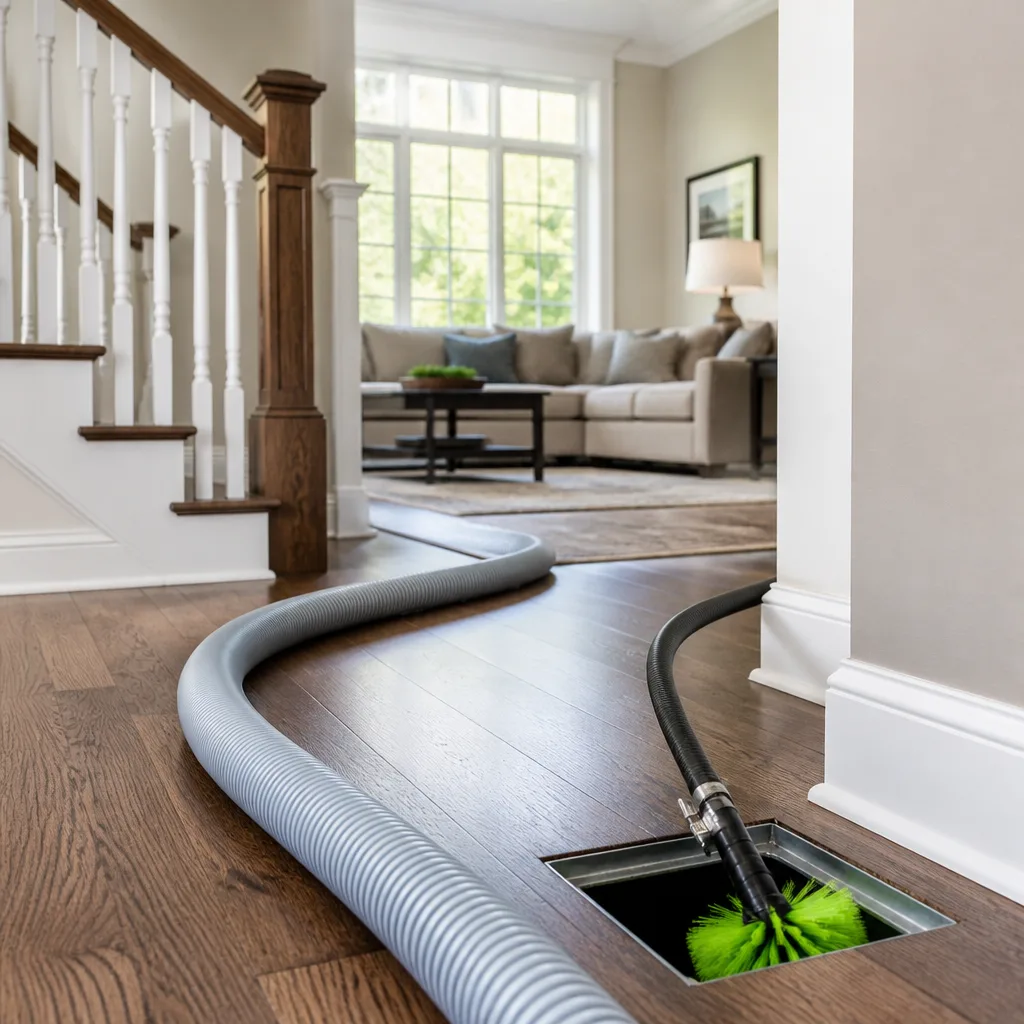 Whole-home duct cleaning
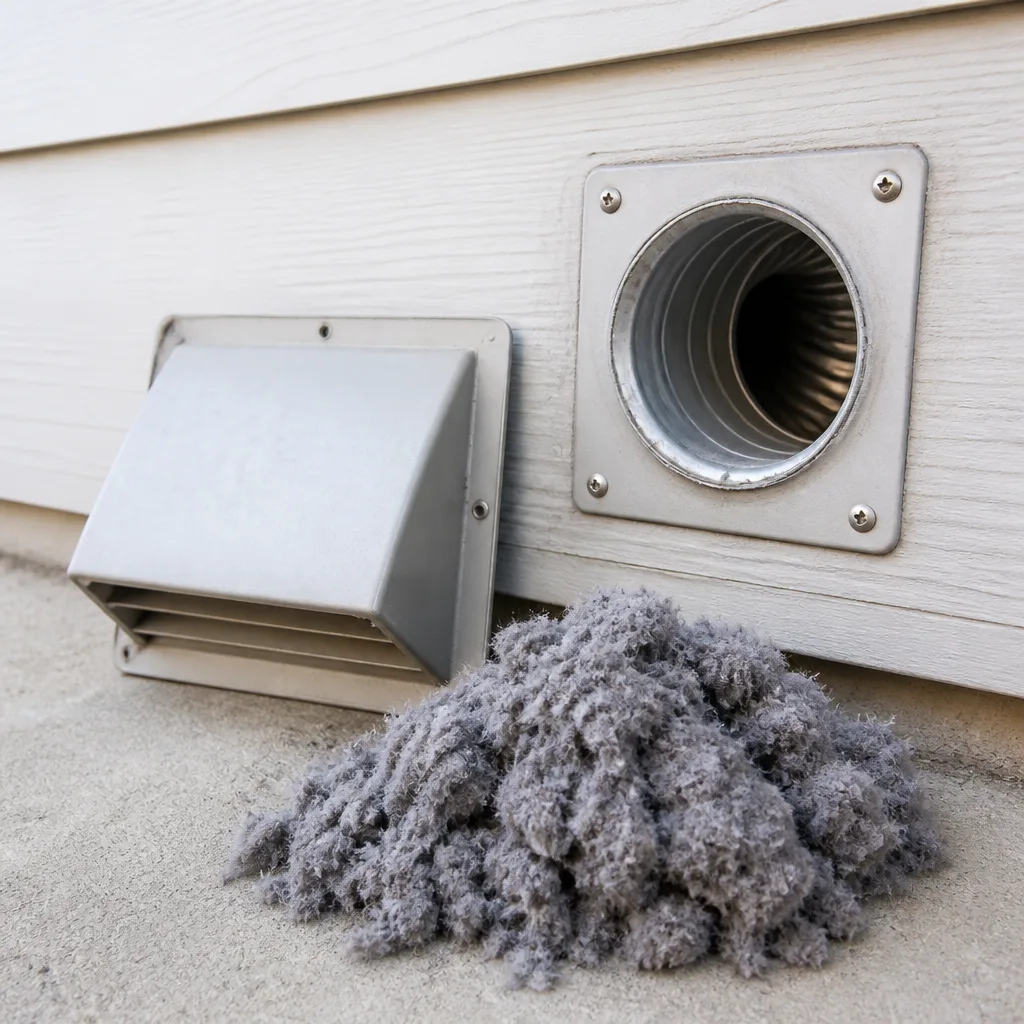 Dryer vent cleaning
 Camera inspection
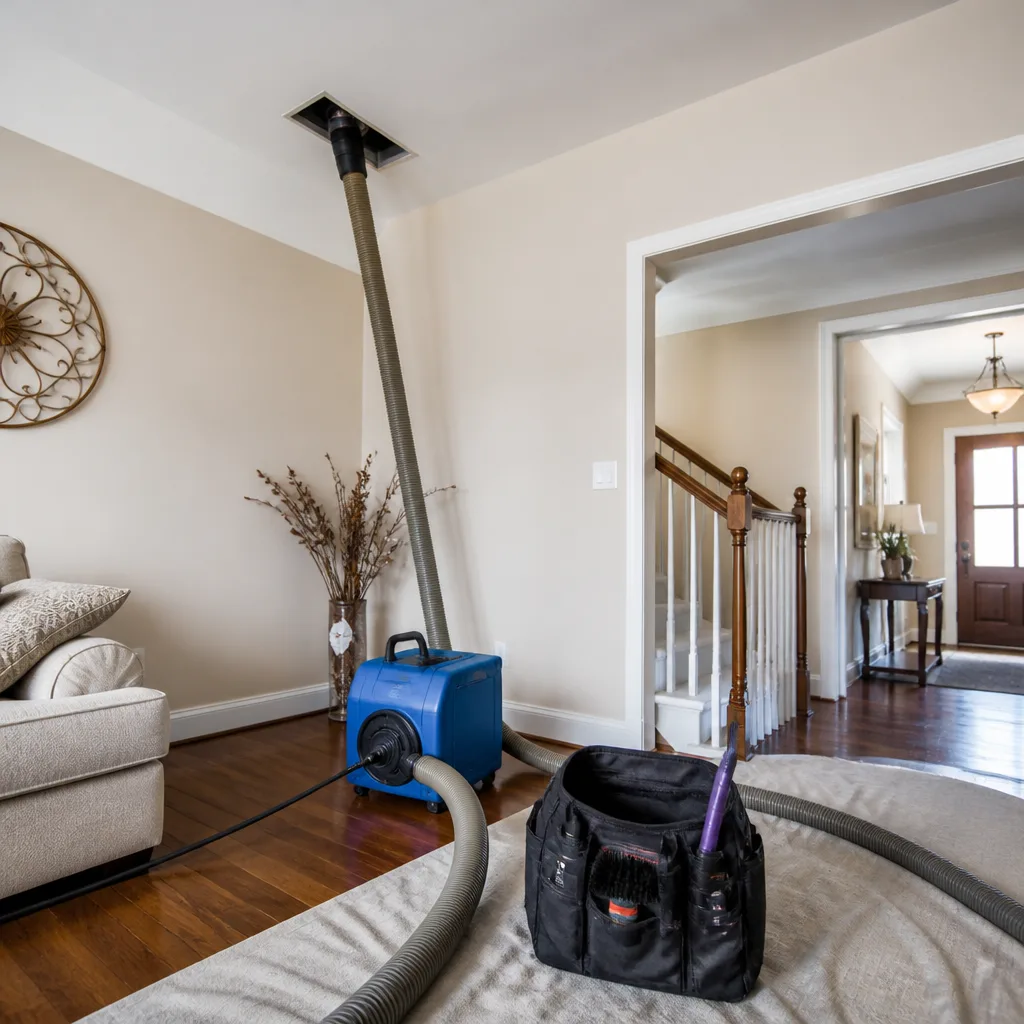 Sanitizing & deodorizing
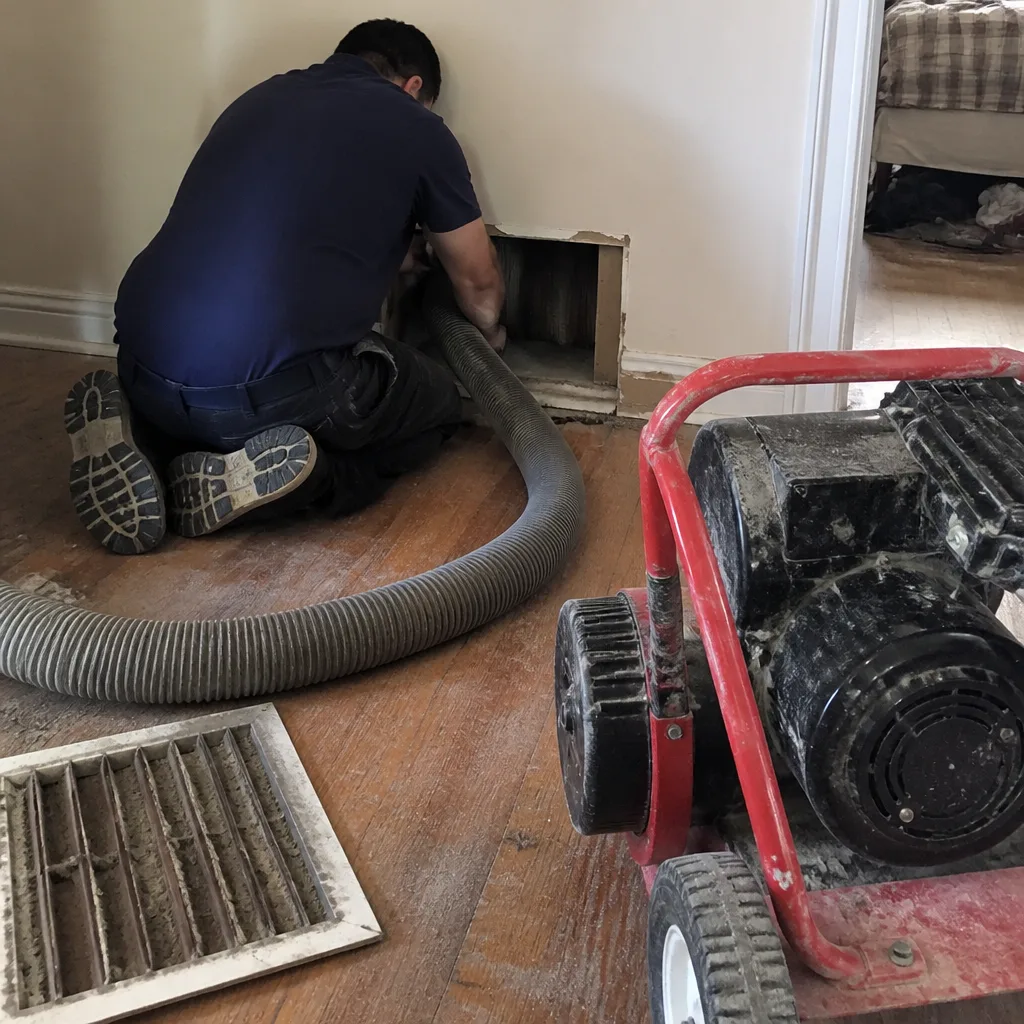
Whole-system duct and dryer vent check with before-and-after photos - you see exactly what came out of your vents
That "$99 whole-house special" is a bait ad - the real number appears once they are in your hallway, or the "clean" is a shop-vac at the register. We photograph the inside of your ducts before and after instead.
Seasonal Air Duct Cleaning Care for Bensonhurst: Year-Round Homeowner’s Guide
The dirtiest moment in a Bensonhurst HVAC system isn’t a hard freeze or a July heat wave. It’s the first time the system kicks on after sitting idle for six to eight weeks between seasons. Everything that settled in the ducts during that dormancy – dust, fibers, whatever drifted in through gaps and returns – gets pushed straight into the rooms the moment the blower starts. Most homeowners treat duct cleaning as a once-a-year chore and miss that the system moves through four distinct seasonal cycles here, each one stressing it differently. This guide maps those cycles to specific maintenance actions, so you’re working with the building and the street, not against them. We’ll cover timing, filter ratings, and when to bring in professional equipment.
Quick Answer
Air ducts in Bensonhurst should be cleaned once a year, ideally in the window after heating season ends and before the cooling season starts, because that’s when winter’s settled dust, drywall and concrete grit from nearby construction, and any condensation moisture are all still in the system and can be removed before they get blown through the house all summer. Seasonal care also means adjusting your filter’s MERV rating, sealing duct gaps before each switchover, and watching for the telltale signals of contamination during the two highest-risk transitions: cooling to heating, and the idle period in between.
Styles & brands we work with
- Whole-home duct cleaning
- Dryer vent cleaning
- Camera inspection
- Sanitizing & deodorizing
Table of Contents
- Why Bensonhurst Systems Face Four Cycles, Not Two
- Spring Startup: Dust, Moisture, and the First Push
- Summer Peak Load: Coil Strain and Drain Pan Risk
- Fall Switchover: Open Windows and Pollen Infiltration
- Winter Heating Mode: Dry Air and Particle Suspension
- The Cooling-to-Heating Transition: The Highest-Risk Period
- The Best Times to Schedule Professional Cleaning
- A Seasonal Filter Upgrade Path
Why Bensonhurst Systems Face Four Cycles, Not Two
Most seasonal maintenance advice assumes dramatic weather swings. Bensonhurst doesn’t really have those. What it has is an HVAC system that alternates between heating and cooling modes, sits dormant for stretches in between, and runs against an urban air quality baseline that shifts with temperature, humidity, and how much street-level activity is happening outside. Four distinct stress cycles come out of that pattern, and each one leaves a different signature inside the ducts.
The cycle looks like this:
- Spring startup. Heating season ends, the blower idles, and settled particulate is still sitting in the ducts, ready to be redistributed when cooling begins.
- Summer peak load. The system runs its longest cycles, the evaporator coil works hardest, and the drain pan sits wet most of the season.
- Fall switchover. Windows open again, exterior air carries pollen and street debris in through returns, and the system is often dormant for weeks.
- Winter heating mode. Indoor air dries out, particulate stays suspended longer, and heated air pushes through every gap in the ductwork.
Treating this as two seasons (spring cleaning and fall cleaning) leaves half the picture. When we pull apart a duct system in Bensonhurst after a full year, we can usually read which cycle left which layer. The tell is in the accumulation patterns, and they don’t lie about timing.
Spring Startup: Dust, Moisture, and the First Push
Spring is when the system’s idle period ends and everything that settled through winter gets pushed through the house. That granular, slightly gray dust you see on sills and blinds in the first warm week usually isn’t fresh outdoor dust. It’s accumulated material from ducts, register boxes, and filter housings that got disturbed the moment air started moving again.
Spring also brings moisture risk. Condensation forms on cool coils and in duct runs when outdoor humidity climbs faster than the indoor surface temperature, and in units that haven’t run for weeks, that moisture can sit and create a mild musty smell, the kind that lingers for a day or two after the first morning you turn the AC on. Left alone through the season, that smell signals a system that needs attention, at minimum a full clean-and-inspect of the coil and drain path.
What spring startup work usually involves:
- Pulling the return grilles and checking for visible dust loading on filter housings and blower compartments
- Inspecting the evaporator coil for any visible film or buildup from last summer
- Checking the condensate drain pan and line for standing water or algae growth from the prior season
- Verifying that every register is delivering reasonable airflow, not just air
- Replacing the filter with a grade matched to outdoor pollution loads for the coming months
If the system has visible dust at the returns and a musty note in the first week of running, professional cleaning is usually the right next step. air duct cleaning with rotary agitation and negative-pressure extraction physically removes this layer instead of blowing it around.
Summer Peak Load: Coil Strain and Drain Pan Risk
Bensonhurst summers put the cooling side of the system under its longest sustained load. The compressor cycles hard, the coil stays wet for most of the day, and the drain pan sits holding condensate that has to leave the system cleanly. This is the season where small problems get worse fast: a slightly fouled coil runs a few degrees hotter, the drain line clogs a fraction sooner, and dust that settled over spring gets baked onto the coil fins where it clings harder than it would in cool air.
A dirty evaporator coil is the quiet performance killer of summer. It’s harder to see from a register, and it doesn’t usually smell unless the problem is well advanced. What you notice first is the system running longer to hold a set temperature, or a room that won’t quite cool the way it used to. When the coil is fouled, no amount of register-level cleaning fixes it. The coil surface needs mechanical cleaning as part of a proper HVAC cleaning visit.
The drain pan deserves equal attention. A pan holding standing water, especially one with visible biological growth or a slimy film on the bottom, is a legitimate air quality concern – the blower pulls air past it all day. Checking the pan and clearing the drain line are cheap, and catching them before they overflow into the ceiling below is far cheaper. Summer is also when professional-grade equipment earns its keep. Consumer vacuums can’t lift contamination off a wet coil; Rotobrush rotary agitation paired with Nikro negative-pressure capture is built for exactly this kind of load.
Fall Switchover: Open Windows and Pollen Infiltration
The fall switchover is when outdoor air becomes the dominant source of what ends up inside. Windows open, cross-ventilation pulls street-level dust and pollen in, and the return air path grabs some of it directly from the room before the heat comes back on. In Bensonhurst, fall also brings a second wave of street activity: schools back in session, exterior maintenance on brownstones and older walk-ups, and, in recent years, more active construction near established blocks.
Construction dust is a specific seasonal variable here that generic duct advice ignores. Concrete and drywall dust are fine, alkaline, and abrasive. They settle in returns and register boots faster than ordinary household dust, and they cling to duct surfaces once they’re there. If there’s active residential development within a few blocks of your building during the fall or spring build seasons, your system is taking on material at a measurably higher rate than a quieter block’s system. That’s the case for shortening the interval between cleanings during those periods.
Fall switchover work:
- Inspect exterior return intakes and window-adjacent registers for visible grit
- Replace the filter before heating season, ideally in the higher of the two seasonal MERV grades you’ll use
- Check the duct seams at any floor transitions, especially in older buildings where flex duct has shifted or developed gaps
- Address small gaps before heating starts, since heat will push air out through them for months
Clean ducts are only half the job when a system has structural gaps. Duct repair and sealing after cleaning closes the paths that let contamination come back in. That work is done in-house as part of a full-system service, so there’s no coordinating a second contractor after the cleaning truck leaves.
Winter Heating Mode: Dry Air and Particle Suspension
Winter heating in Bensonhurst creates a condition most homeowners don’t think of as an air quality problem: drier indoor air. Cold outdoor air holds very little moisture, the heating system consumes what’s there, and indoor relative humidity drops. That low humidity has a direct effect on particulate. Dust and fibers stay airborne longer because they aren’t being weighed down by moisture, so the same amount of contamination stays visible in the air for a larger portion of the day.
Heated air also pressurizes the duct system differently than cooled air does. Where ducts have gaps, and older Bensonhurst housing stock has plenty, hot air escapes into walls and ceilings and pulls return air through unintended paths. That means whatever is in the gaps, wall cavities, or adjacent apartment spaces can be drawn toward the airstream. It’s one more reason sealing gaps belongs on the seasonal checklist alongside cleaning.
Winter observations worth acting on:
- A persistent dry throat or eye irritation that improves when you leave the apartment and returns when you’re home – worth checking the system, not just the humidifier
- Visible dust on horizontal surfaces near registers that comes back within a day or two of wiping
- A stale, dry, slightly metallic smell when the heat kicks on after being off
Winter is a reasonable time to book a cleaning if you’re going to be home through the holiday stretch, but it’s not the ideal window, which is why the next section matters.
The Cooling-to-Heating Transition: The Highest-Risk Period
The single highest-risk period for duct contamination in Bensonhurst’s shared-system apartment buildings is the transition from cooling to heating, usually somewhere in the middle of fall. Here’s why: during cooling, the coil runs wet and the drain pan holds condensate. When cooling stops and the system sits for weeks, that moisture doesn’t disappear. It lingers in the pan, on the coil, and on any duct surface that saw condensation. Meanwhile the blower is idle, and no airflow is moving the moisture along or drying the surfaces out.
If the system runs a short heating cycle in between – a cold snap, an early heat call – warm air moves through duct surfaces that spent the summer humid. That’s the set of conditions where biological growth on coil and pan surfaces happens fastest. In single-family homes, the risk is real but confined. In a Bensonhurst walk-up or multi-unit building where one system serves multiple apartments through shared returns, the same contamination gets distributed across every unit on the run.
What to do at the transition:
- Confirm the cooling coil and drain pan are dry and clean before heating season begins.
- Inspect the drain line for any blockage from summer algae or debris buildup.
- Run the system briefly in fan-only mode before switching to heat, to dry out any residual moisture.
- Schedule professional inspection if there’s any persistent musty odor or water staining near the air handler.
The transition window is also when we recommend Air Duct Cleaning Bensonhurst to most customers who didn’t get to it in the post-winter window – it catches the full accumulation from the year before heating kicks back in.
The Best Times to Schedule Professional Cleaning
For most Bensonhurst homes, the optimal service window is late spring, after heating season has closed and before the cooling season has fully loaded the system. That window catches the settled dust from winter, the moisture from the heating season’s indoor air, and the accumulation from the idle transition – all at once, before it gets distributed through summer cooling.
Ranked by effectiveness, the professional cleaning windows for this climate and building stock are:
- Late spring (post-heating, pre-cooling). Best overall. Removes winter accumulation and any spring dust before it circulates all summer.
- Early fall (post-cooling, pre-heating). Second best. Ideal for catching the wet-season coil and drain issues before the cooling-to-heating risk window.
- Mid-winter. Workable and often lower-demand. Good for households with allergy concerns, elderly residents, or a system that’s shown symptoms through the holidays.
- Mid-summer. Least ideal. The system is running constantly, so a cleaning means the household has to do without cooling briefly during the hottest stretch.
For buildings with children, elderly residents, or anyone with respiratory sensitivity, adding a mid-cycle dryer vent cleaning when the technician is already on-site keeps the whole air system current without a second appointment. Dryer vents are a fire-prevention item most duct-only shops skip, and it’s a natural add-on to a full-system visit.
A Seasonal Filter Upgrade Path
Filter ratings are one of the most misunderstood parts of seasonal maintenance. Higher MERV isn’t automatically better. Older Bensonhurst HVAC systems, especially those installed in pre-1990 housing stock, weren’t designed for high-restriction filters, and putting a MERV 13 into a system built for MERV 6 can starve airflow, strain the blower, and actually cause more problems than it solves.
The realistic seasonal filter path for most Bensonhurst systems:
- Spring (pre-cooling): MERV 8-11. Captures pollen and street grit without overloading the blower. This is the highest-load transition for fine particulate.
- Summer (peak cooling): MERV 8-11. Keeps airflow strong during the load season. Avoid stepping up here unless the system was designed for it, since the blower is already working hardest.
- Fall (pre-heating): MERV 11-13, if the system supports it. Captures the finer construction and drywall dust kicked up by active build seasons. If the system’s age or airflow capacity doesn’t support the grade, stay at MERV 11 and rely on cleaning instead.
- Winter (heating): MERV 8-11. Low-restriction is the priority when the system is running long heating cycles. Pair with a full cleaning if winter dust is a problem, since no filter catches what’s already settled in the ducts.
If you’re not sure what your system can handle, that’s a question for the technician before the filter goes in, not after. Honeywell and Aprilaire both make filter and air quality products rated across this range, and the right match depends on age and airflow, not brand loyalty.
Common Mistakes to Avoid
- Cleaning only in the fall. Fall cleaning is good but catches only half the cycle. The post-winter window removes accumulation that would otherwise blow through the whole cooling season.
- Assuming a higher MERV filter is always safer. In older Bensonhurst systems, a high-restriction filter can cause far more damage than the small amount of extra particulate it removes. Match the grade to the blower, not to the label.
- Skipping the duct gaps. Cleaning without sealing leaves the same gaps that let contamination return. Duct repair and sealing are part of the same job, not a separate booking.
- Treating a musty smell as a minor nuisance. Persistent odor usually signals moisture where it shouldn’t be – on the coil, in the drain pan, or in a duct run. That’s a system inspection, not an air freshener problem.
- Ignoring construction dust during active build seasons. Concrete and drywall dust settle faster and cling harder than ordinary household dust. Blocks with active development need a shorter cleaning interval, not the same annual one.
- Using a consumer vacuum as a substitute for duct cleaning. A shop vac can lift surface dust from the register but cannot agitate or extract debris inside the duct run, and it redistributes fine particulate into the room.
- Forgetting the dryer vent. Dryer vents collect lint at a rate that’s independent of the duct system, and most duct-only competitors don’t include them in scope.
See the difference
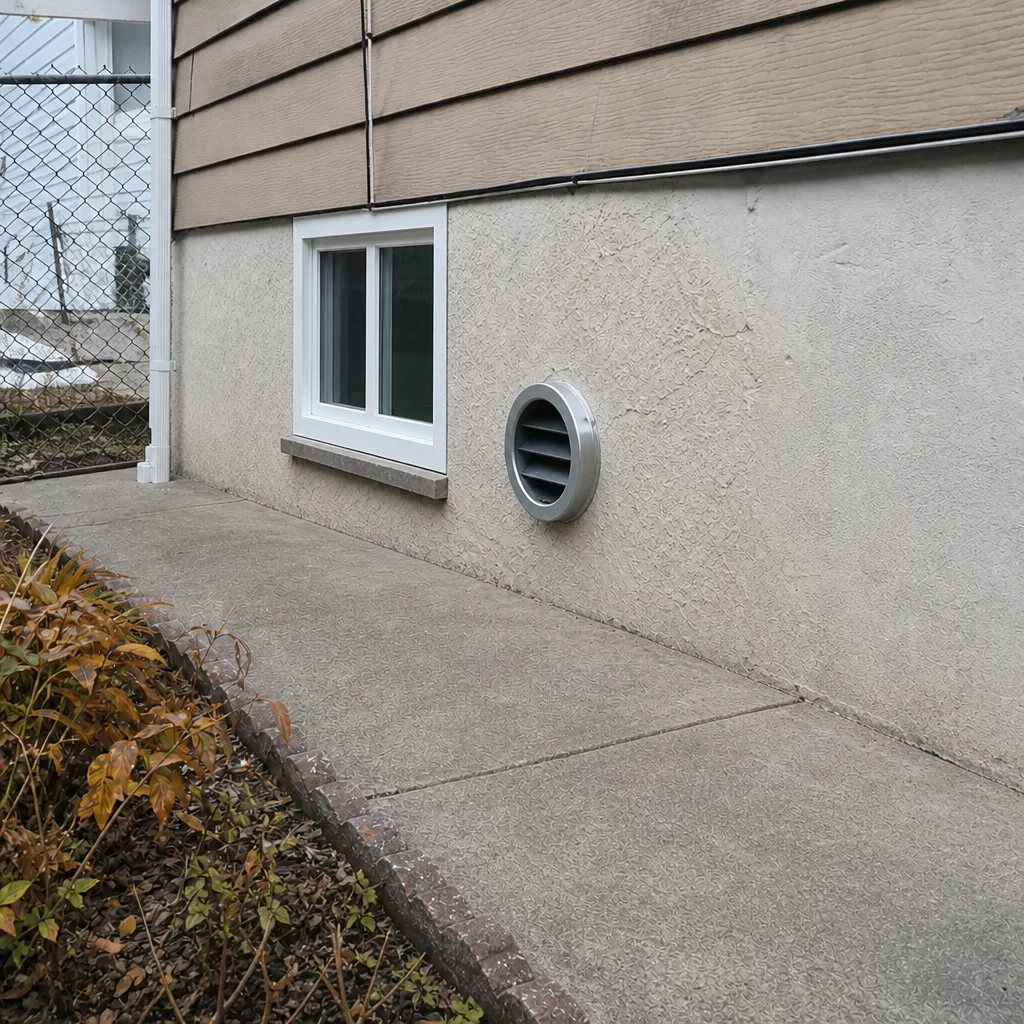
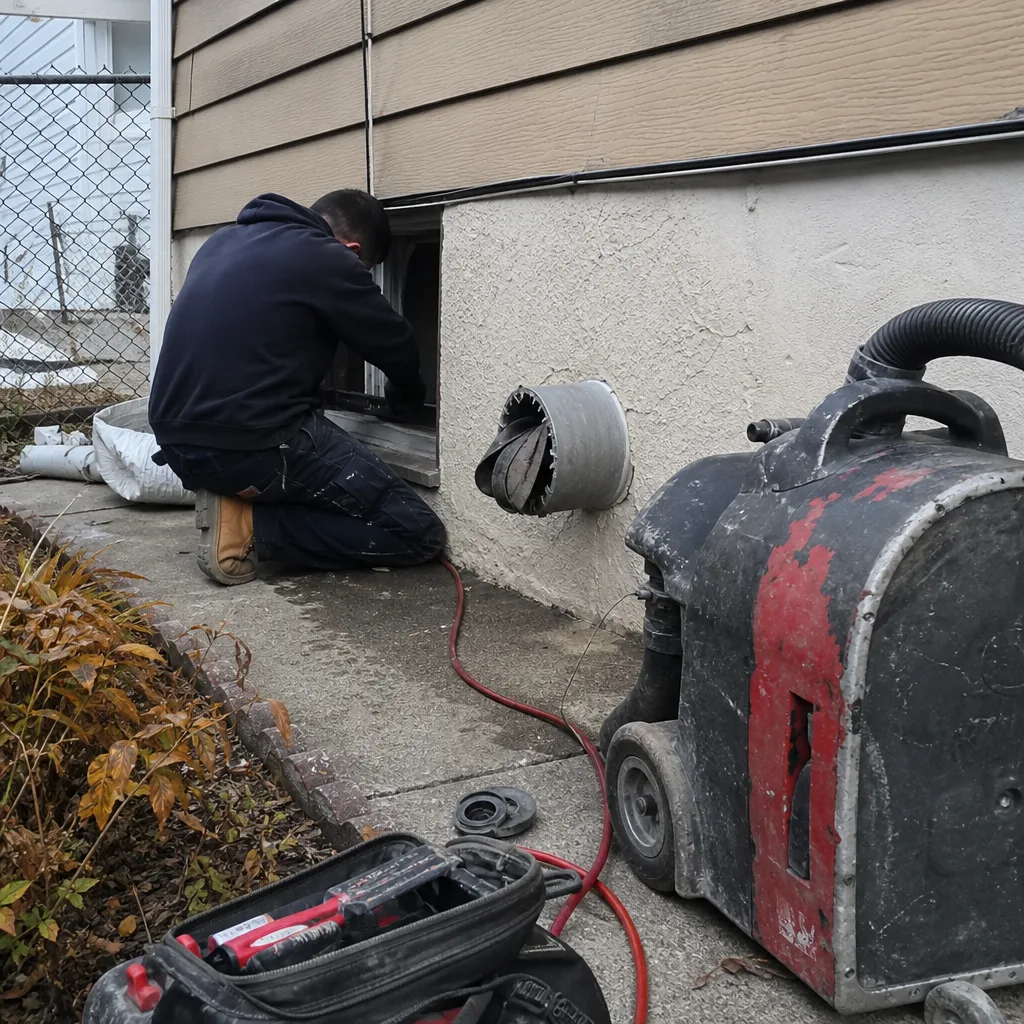 Before
 After
 Before
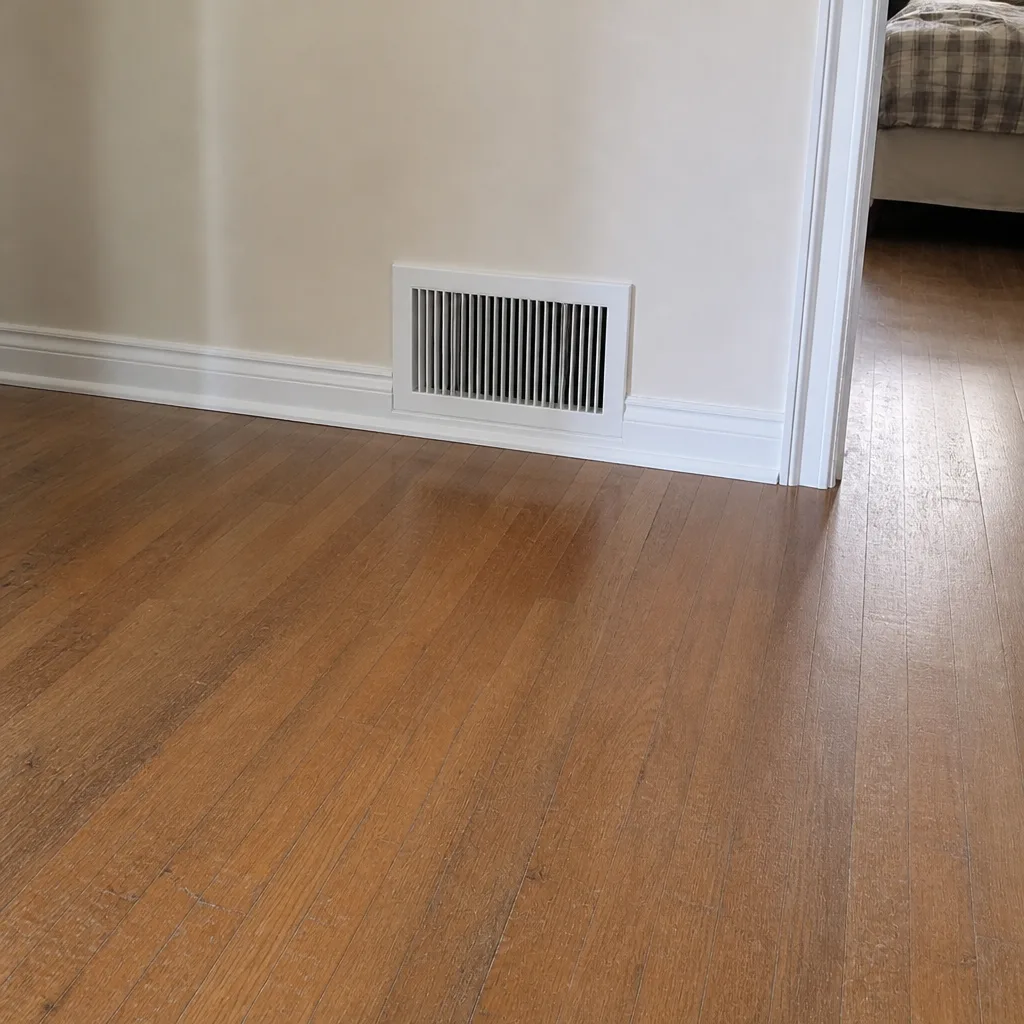 After
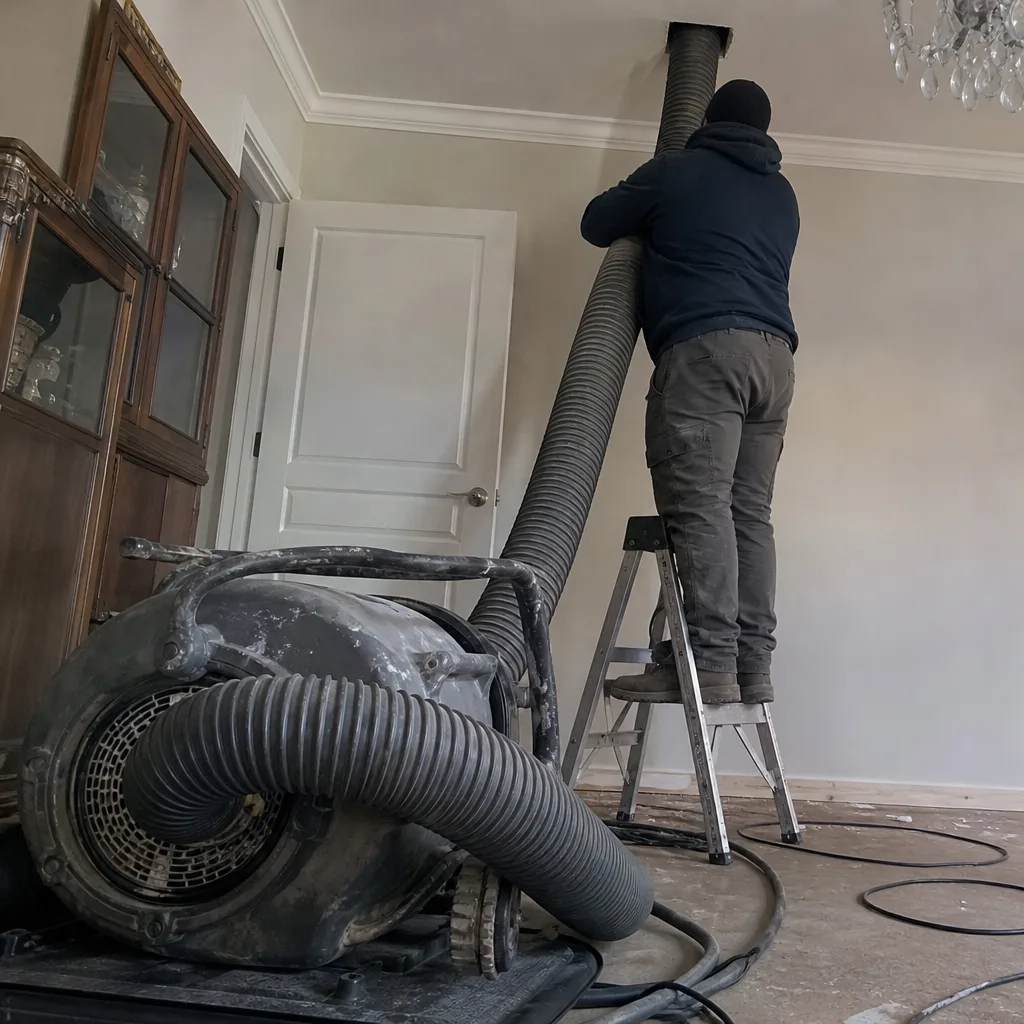 Before
 After
When to Call a Professional
Some seasonal care you can handle yourself: filter changes, visual checks at the returns, closing obvious gaps at register boots. The rest of the time, a professional system cleaning is the right call. Call when you notice persistent dust that returns within days of cleaning surfaces, any musty or stale odor when the system starts up, visible grime on the coil or in the drain pan, or a marked drop in airflow at any register. If your household includes anyone with respiratory sensitivity, or if you manage a multi-unit Bensonhurst building and are responsible for tenant air quality across shared systems, an annual full-system inspection is the baseline. Air Duct Cleaning Bensonhurst offers free estimates in Bensonhurst – call (833) 483-0627.
Frequently Asked Questions
Once a year for most households, timed to the post-winter, pre-cooling window. Homes on blocks with active construction, households with pets, and buildings with shared systems serving multiple units should consider a shorter interval, because fine exterior dust and interior accumulation both build faster in those settings. A technician can tell you within minutes of inspecting the coil and returns whether an annual cycle is adequate.
Late spring, typically after the heating season ends and before the cooling season starts, is the optimal window. It catches winter’s settled dust and any moisture from residential heating season, and it clears the system before it starts its longest run cycles in summer. Early fall is the second-best window, particularly if you missed the spring service.
A musty smell at heating startup almost always points to moisture sitting somewhere it shouldn’t – on the cooling coil, in the drain pan, or in a duct run that saw condensation during the cooling season. The system sat idle for weeks with that moisture in place, and heat pushes the smell into every room. This is a signal for inspection, not a quick fix. Call (833) 483-0627 for an exact quote on a full coil and duct inspection – estimates are free.
It depends on the system’s airflow capacity. Pre-1990 Bensonhurst housing often has HVAC systems designed for MERV 6-8 filtration, and stepping straight to MERV 13 can starve airflow, strain the blower, and reduce cooling performance. The right approach is a seasonal match: MERV 8-11 for most of the year, with MERV 11-13 only if the system can handle it. When in doubt, have the technician confirm before the filter goes in.
A professional cleaning should include before-and-after photos of your system, work in an agreed scope with one flat price per system rather than a per-vent charge, and use equipment that agitates and extracts rather than redistributing contamination. If a quote doesn’t include photos and a defined scope, ask why before booking.
Because the work performed is often much less. Cheaper quotes usually involve a consumer-grade vacuum, register-only surface cleaning, and no coil or drain pan inspection. The visible dust disappears for a week or two, then comes back from the same ducts, coil, and gaps. Commercial-grade equipment like Rotobrush, Nikro, and Abatement Technologies does the harder work the price reflects.
After, ideally, but also during a long project. Concrete and drywall dust are fine, alkaline, and abrasive, and they infiltrate systems on active blocks faster than ordinary dust. Cleaning during the build season removes the accumulation before the system redistributes it, and a final cleaning once the work wraps up clears the remainder.
The Bottom Line
Seasonal duct care in Bensonhurst works best when it’s timed to the four real cycles a system goes through here, not to the generic spring-and-fall advice that shows up everywhere. The post-winter window before cooling season starts is the highest-value cleaning slot. The cooling-to-heating transition is the highest-risk period for contamination, especially in shared-system multi-unit buildings. Filter ratings should match the system, not the marketing. Duct gaps need sealing alongside cleaning, or contamination returns. And if you’re not sure which window is best for your building, a free estimate through Air Duct Cleaning Bensonhurst settles it quickly. Call (833) 483-0627. We answer 24/7. Fast dispatch from 7am to 7pm, Sunday through Friday.
Written by the team at Air Duct Cleaning Bensonhurst.