
Last updated November 22, 2026
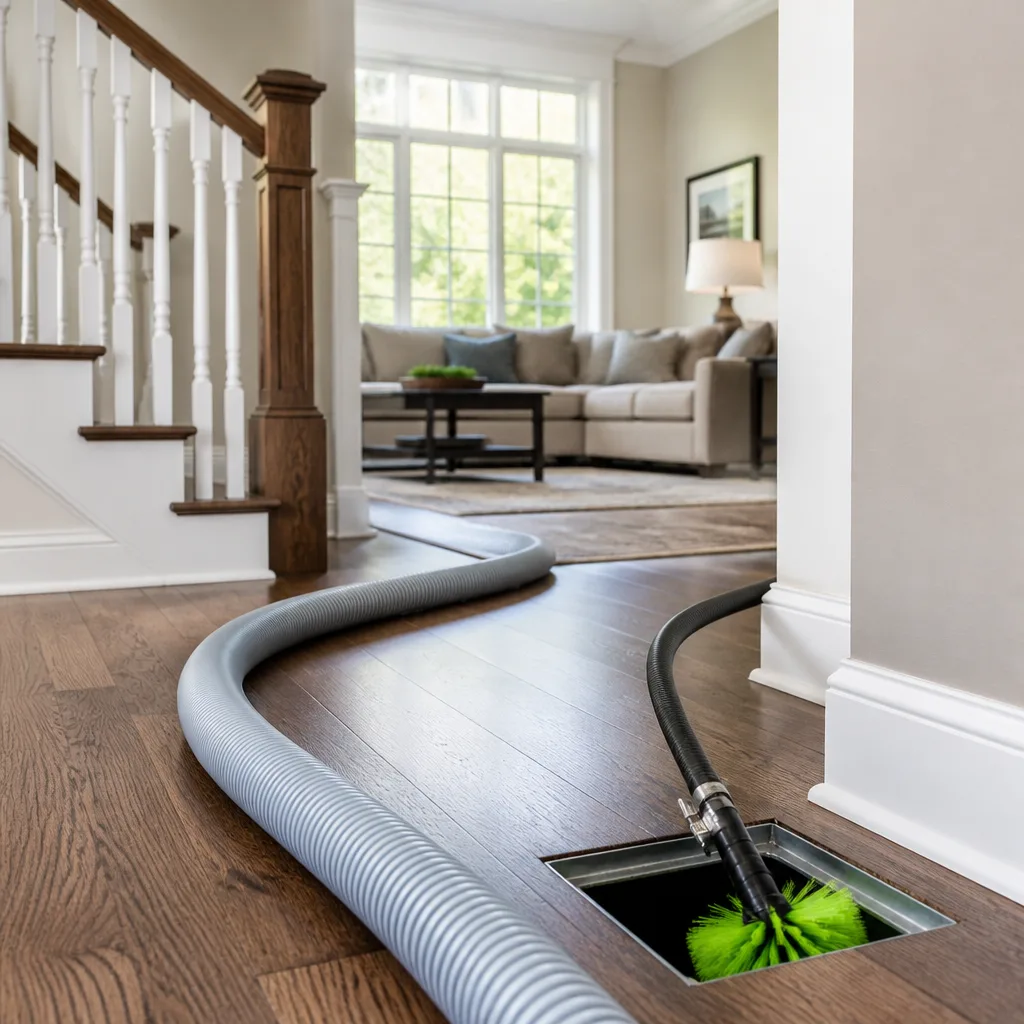 Whole-home duct cleaning
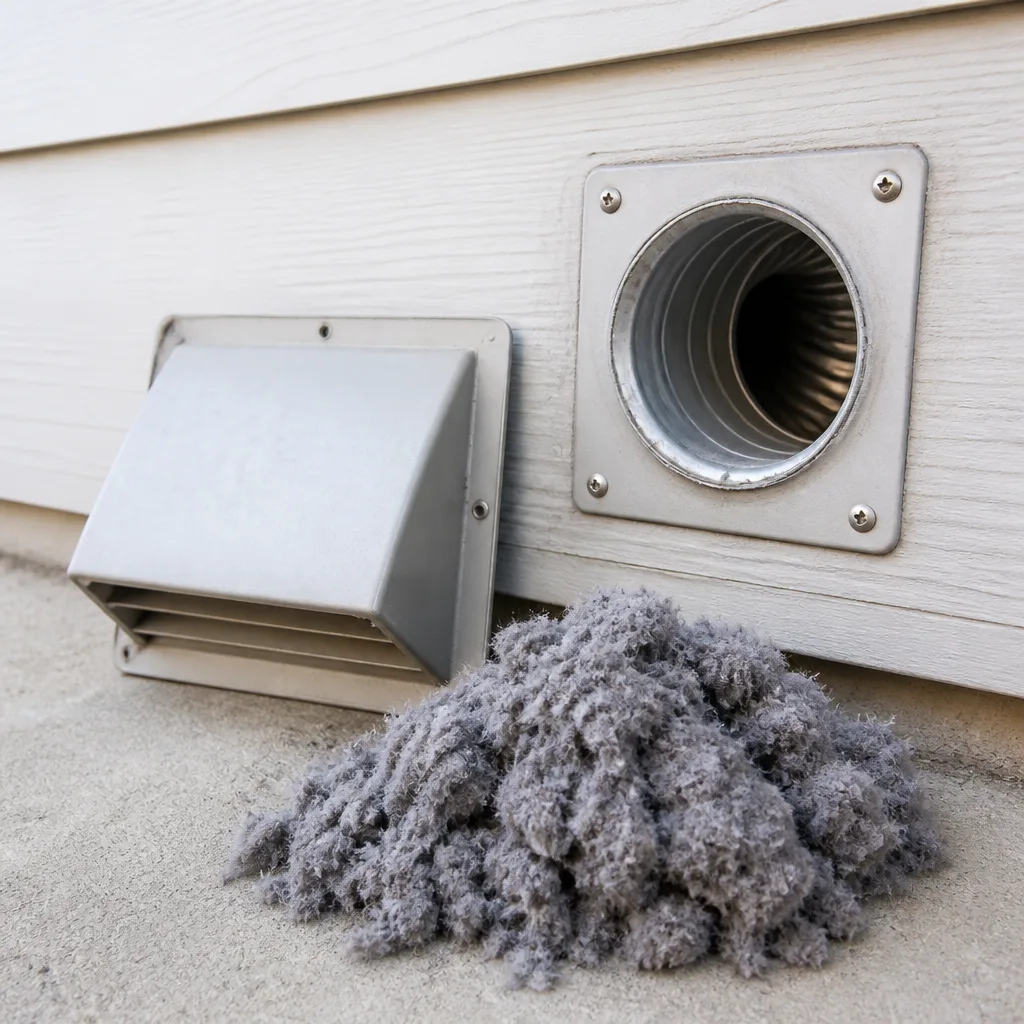 Dryer vent cleaning
 Camera inspection
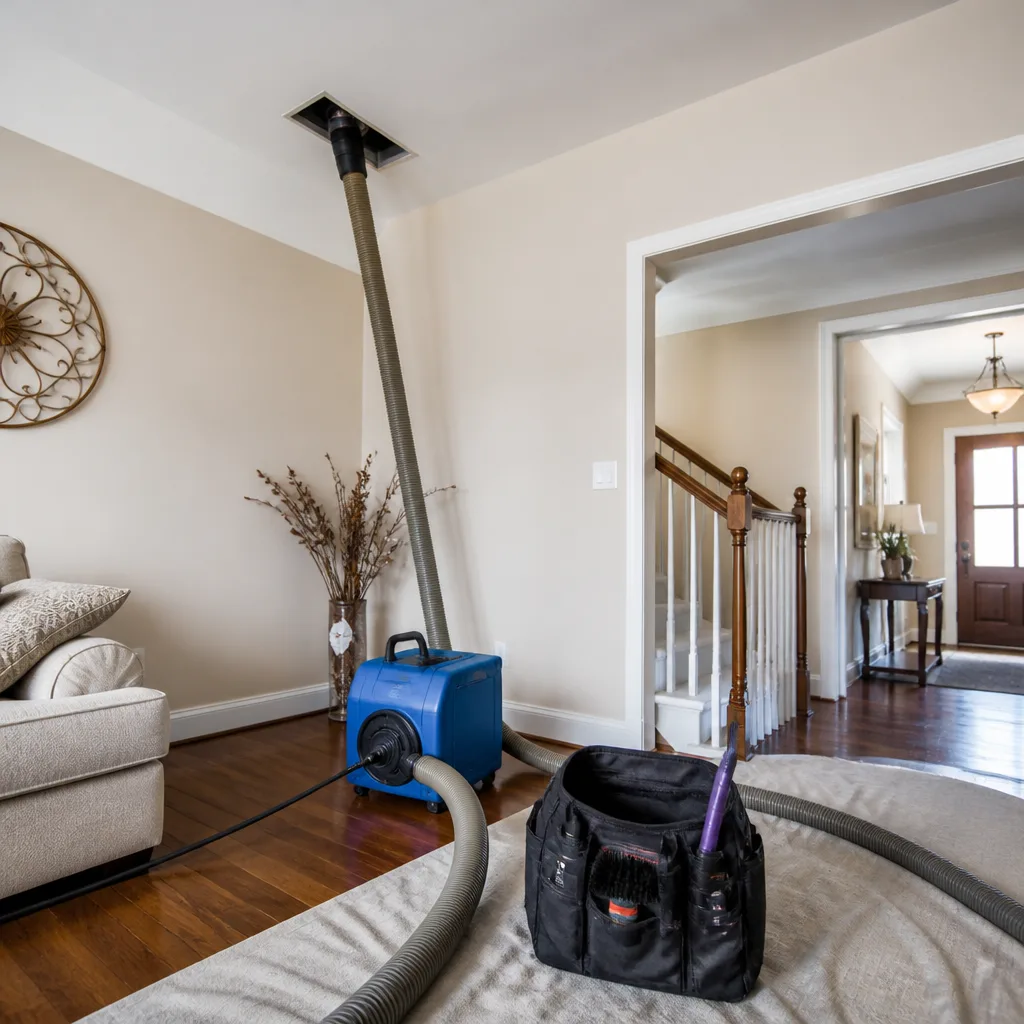 Sanitizing & deodorizing
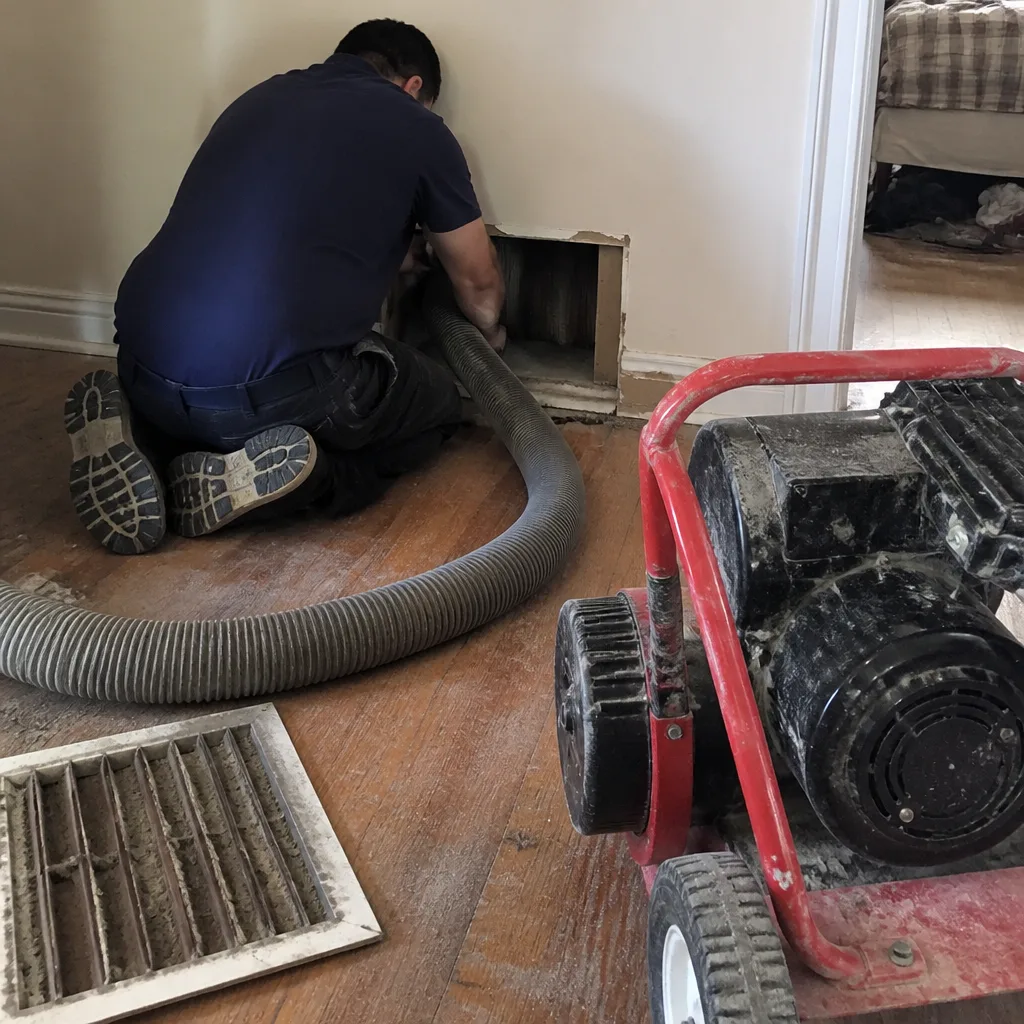
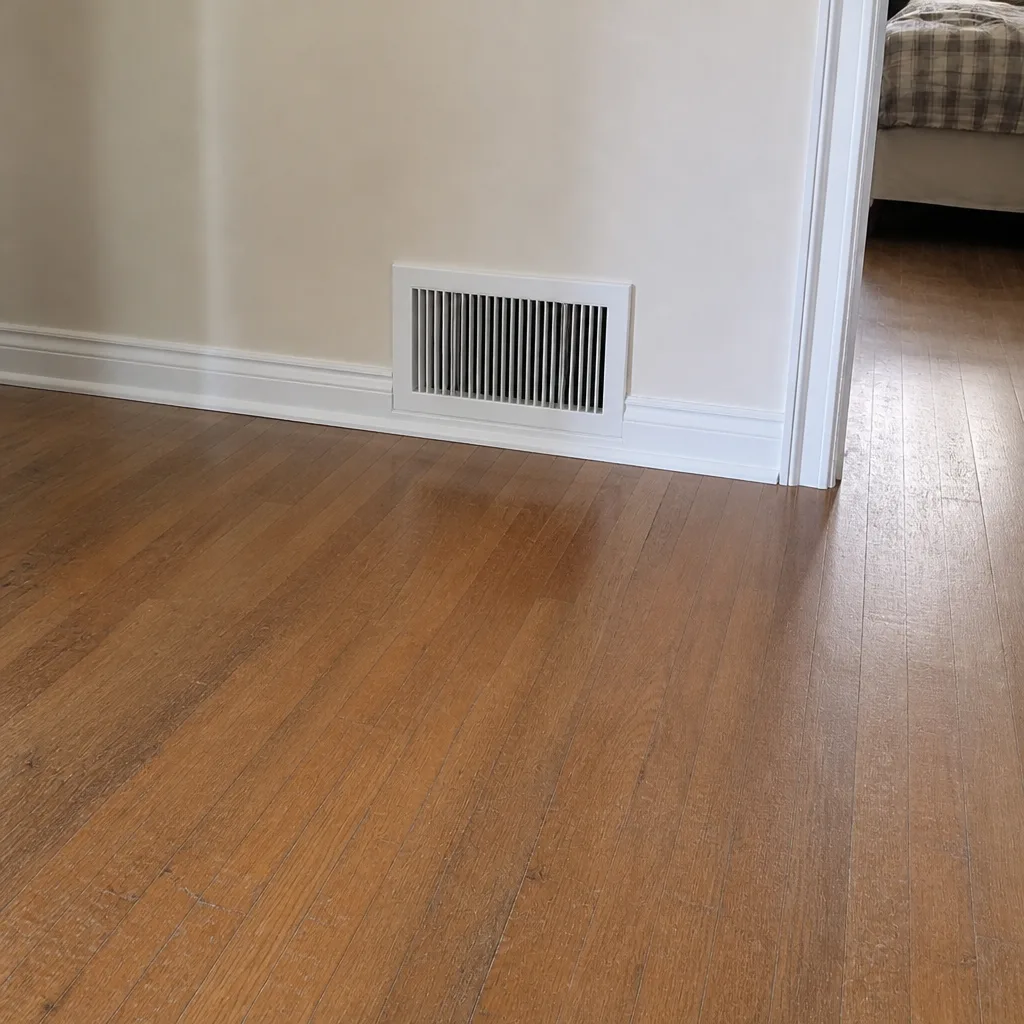
Whole-system duct and dryer vent check with before-and-after photos - you see exactly what came out of your vents
That "$99 whole-house special" is a bait ad - the real number appears once they are in your hallway, or the "clean" is a shop-vac at the register. We photograph the inside of your ducts before and after instead.
Air Duct Cleaning Warning Signs: A Bensonhurst Homeowner’s Reference Guide
The signs most homeowners notice first are the ones that show up last. Dusty vent covers, a musty smell in the hallway, a room that never quite heats – by the time these are obvious, the duct system has usually been quietly degrading for a while. A single vent blowing noticeably cooler than the others in the same room isn’t a thermostat problem; it’s frequently partial blockage or a disconnected flex run inside the wall cavity, a condition that’s especially common in Bensonhurst’s converted two-family homes, where ductwork was retrofitted into buildings that were never designed around it. This guide is about reading the earlier, quieter signals.
Quick Answer
The core warning signs of a duct problem in a Bensonhurst home are: dust that returns to vent covers within days of wiping them, musty or metallic odors that persist after the system shuts off, one room that never heats or cools like the rest, rising energy bills with no change in how you use the system, and visible sagging flex duct or rust at register edges. Any one of these is worth a look. Two or more together usually means the problem is in the duct system, not the air around it.
Styles & brands we work with
- Whole-home duct cleaning
- Dryer vent cleaning
- Camera inspection
- Sanitizing & deodorizing
Table of Contents
- Cosmetic Warning Signs vs. Systemic Warning Signs
- What HVAC Performance Changes Are Telling You
- Reading the Odors: Dust, Mold, and Pest Contamination
- Warning Signs Specific to Bensonhurst’s Older Housing Stock
- A 20-Minute Homeowner Inspection Protocol
- What to Listen For, Look At, and Smell For
- Reading the Warning Signs in Context: How We Assess a System
- When Early Signs Become a Repair Instead of a Cleaning
Cosmetic Warning Signs vs. Systemic Warning Signs
This is the most useful distinction in the whole guide, and it’s the one most homeowners skip. Cosmetic warning signs live on the surface. Systemic warning signs live in the airflow. They look similar from across the room. They mean completely different things.
A dusty vent cover is the classic cosmetic sign. Dust settles on a horizontal surface near moving air; wipe a register with a damp cloth and it comes back clean. A dusty vent cover that reappears within a few days of wiping is a systemic sign. The system is actively depositing material, which means the material is coming from somewhere inside the ductwork or the air handler. That’s the difference between a house that gets dusty and a house that’s being dusted by its own HVAC equipment.
Here’s how the distinction breaks down in practice:
- Cosmetic: vent covers dusty before a cleaning and clean afterward; a faint dust line on a horizontal register; ordinary seasonal dust accumulation.
- Systemic: vent covers dusty again within days; dust trails streaking outward from the register onto the wall or ceiling; a fine film on furniture near one specific vent and not others; visible puff of dust when the system kicks on.
- Cosmetic: a musty smell in a basement after rain.
- Systemic: a musty smell that only appears when the fan runs, or one that lingers in the room after the system shuts off.
If you take one thing from this guide, take this: the returns-fast pattern is the single most reliable early signal we look at first. It tells you the source is active, not settled. That’s the line between a cleaning that fixes a house and a cleaning that gets undone by the system that keeps running.
What HVAC Performance Changes Are Telling You
Duct systems fail quietly, and the first evidence often shows up on your energy bill before it ever shows up on a vent cover. When the ducts leak, sag, or disconnect, conditioned air escapes into wall cavities and unconditioned space instead of reaching the rooms it was supposed to condition. The system runs longer to hit the setpoint. Your usage habits haven’t changed, but the bill has.
Three performance patterns are worth treating as duct diagnostic signals:
- Rising energy bills with no change in usage. If your behavior is identical and your bill is climbing, check the ducts before you blame the equipment. A leaking return or a disconnected supply run in a wall cavity will show up as a bill increase long before it shows up as a comfort complaint.
- Short-cycling. A system that starts and stops more often than it should can be starving for return air. Restricted or collapsed return ducts limit airflow, and the system cycles to protect itself. That’s a duct issue showing up as an equipment symptom.
- Humidity imbalance between rooms. If one bedroom feels clammy and another feels dry, the duct balancing is off or the runs are compromised. In Bensonhurst’s converted two-family homes, this is often a retrofit problem: the second-floor runs were added later and were never properly balanced against the original first-floor layout.
The pattern matters more than any individual reading. One room that never quite keeps up is a nuisance. A whole floor that behaves differently from the other is a duct signal. If you’ve noticed the second-floor runs in your Bensonhurst two-family are the ones giving you trouble, that’s a strong indication that the retrofit work was the weak point, and it’s worth having the system looked at with that in mind.
Our approach to HVAC cleaning starts with the assumption that performance complaints and airflow complaints are two views of the same system. You can’t clean your way out of a disconnected run, and you can’t seal a run that’s too fouled to work on. That’s why our process treats both.
Reading the Odors: Dust, Mold, and Pest Contamination
Your nose can often tell you what kind of contamination you’re dealing with before any visual inspection does. Different contaminants produce different smells, and the response is different for each. Here’s how to read them.
Dust odor: dry, metallic, hot
Dust odor is the smell of heated air passing over dry particulate. It’s the smell you notice the first time you run the heat in the season. It fades after the system runs for a while. On its own, it’s not a red flag. If it’s constant, or if it’s getting stronger over a heating season rather than weaker, the dust load on the heat exchanger or inside the supply trunk is heavy enough that the system can’t clear it by running.
Mold odor: earthy, persistent after the system shuts off
Mold odor is earthy and damp, and the key diagnostic detail is that it doesn’t go away when the fan stops. That persistent smell points to a moisture source inside the ductwork or the air handler, not just moving air. A musty smell in a Bensonhurst basement that only appears when the heat runs is different from a musty smell that hangs in the hallway after everything has shut down. The second is the more serious signal. Mold contamination is not a duct-cleaning problem; it’s a moisture problem that may require a different kind of response, and it’s worth having a professional assess where the moisture is coming from before anything else happens.
Pest contamination odor: ammonia, organic, sharp
Pest odor is sharp, often ammonia-like or distinctly organic. It’s usually tied to a specific location in the home. If a single register smells this way while the rest of the house doesn’t, the contamination is likely localized to that run. Pest entry points usually involve a break in the duct system, so the same inspection that identifies the odor source tends to find the entry point.
In our experience, the fastest way to misread an odor is to guess at what’s causing it. The three odor types above need three different responses: cleaning and filtration for dust, moisture assessment for mold, and contamination removal plus sealing for pests. Naming the smell correctly is the first step toward solving it.
Warning Signs Specific to Bensonhurst’s Older Housing Stock
Bensonhurst’s housing mix is part of why duct problems here look different than they do in newer construction. The neighborhood’s building stock includes a lot of older masonry and wood-frame homes, many of them converted into two-family or multi-unit layouts, plus a large number of attached and semi-attached rowhouse-style properties where ducts are tucked into tight wall cavities and shared chases. That combination produces three warning signs you’ll see here that don’t come up as often elsewhere.
Flex duct sagging visible through unsealed access panels
A sagging flex duct is one of the earliest physical signals a homeowner can spot without tools. Look at any exposed access panel or utility chase. Flex duct that has lost its internal support and is dipping under its own weight is restricted; the bends in the sag create resistance, and the airflow through that run drops. If the duct is visibly sagging in a spot you can see, the rest of the run should be expected to have the same issue. This is common in retrofit work where the duct was installed fast and supported only at the ends.
Galvanized duct rust visible at register edges
Older galvanized ductwork often shows rust at the edges around the register boot, especially in basements and in any run passing through an unconditioned cavity. Light rust at the edge is a moisture signal, not necessarily a failure. Rust that has eaten through the metal, or that shows a flaking scale, is a different matter: that run is leaking air and has been for a while. Rust color visible at the register edges is the visual cousin of the musty smell problem: both point to moisture where it shouldn’t be.
Soot patterns around vents in homes with older gas heating
Soot tracking around a vent or register is never a normal condition, and in homes with older gas heating systems it is worth a professional assessment, not a homeowner fix. Soot means combustion byproducts are not venting correctly or are being pushed into the wrong space, and it’s a safety concern that should be evaluated by a trained technician. Don’t handle this one with a rag and a cleaning spray. Have it looked at.
Bensonhurst’s climate also plays a part. The long humid stretch from late spring into early fall keeps wall cavities damp for months, and that’s the condition that lets the early warning signs – rust, musty odor, flex duct degradation – turn into bigger problems faster than they would in a drier climate. That’s part of why the early indicators are worth acting on sooner rather than later here.
A 20-Minute Homeowner Inspection Protocol
You don’t need tools to run this inspection, and you don’t need any technical background. You need 20 minutes, a notepad, and a step-by-step to keep you from skipping anything. Here it is.
Before you start
- Turn the system off. You want to inspect it in a settled state, not a running one.
- Note the date, the time, and which rooms you’re checking. Write down anything you notice as you go; the pattern matters more than any single observation.
The look pass (10 minutes)
- Walk every room and check each register. Note any register where the vent cover shows dust buildup, soot tracking, or rust at the edges.
- Wipe the front of one or two registers with a damp paper towel. Note the color and how much comes off.
- Check any exposed access panel or utility chase for visible flex duct sag. Note the location.
- Look for dust trails streaking outward from the register onto the wall or ceiling. Those are active deposits, not settled dust.
- Check for any room where the airflow from the register feels noticeably weaker than the rest. A tissue held near a register will tell you what your hand might not.
The smell pass (5 minutes)
- Turn the system back on and let it run for 5 minutes. Note any odor that appears while it’s running.
- Turn it off and wait 5 minutes. Note whether any odor lingers after the system has stopped.
- Write down what the odor smells like in plain words: dry and hot, earthy and damp, sharp and ammonia-like, or nothing.
The listen pass (5 minutes)
- Stand near each register and listen. Note any whooshing sound, rattle, whistle, or thump you don’t remember hearing before.
- Listen at the equipment itself. Note whether the system is cycling on and off more quickly than it used to.
- Note anything you can’t place. The point isn’t to diagnose, it’s to document.
When you’re done, you’ll have a written record that a technician can work from, and you’ll have the pattern you need to know whether it’s time to call. That’s the whole purpose of the protocol.
What to Listen For, Look At, and Smell For
Here’s the reference version of the inspection protocol, organized by sense. Keep this list on your phone or your fridge for the next time you do the walkthrough.
Look for
- Dust that returns to the same registers within days of wiping
- Dust trails on walls or ceilings near a register
- Rust, flaking, or scale at register edges
- Soot patterns around a vent, especially in homes with older gas heat
- Visible flex duct sag through any access panel or chase
- One room noticeably cooler or warmer than the rest on the same floor
Smell for
- Dry, metallic, hot smell: dust load on the heat exchanger or inside the supply trunk
- Earthy, damp smell that persists after the system shuts off: moisture in the ductwork or air handler
- Sharp, ammonia-like, or organic smell: pest contamination, usually in one localized run
Listen for
- Whistling at a register: airflow restriction or a partially blocked run
- Whooshing that wasn’t there before: a leak or a break in the duct system
- Rattling or thumping: duct movement, usually from sagging runs or loose connections
- More frequent start-stop cycling than the system used to do
Any one of these on its own is worth noting. Two or more together, in the same part of the house, is the pattern worth acting on. If you find yourself marking three or more from these lists, the next step is a professional assessment, not another round of vent wiping.
Reading the Warning Signs in Context: How We Assess a System
When you call in a duct issue, an honest assessment starts with the signs you’ve documented and works backward to the system itself. We start with your notes. Then we confirm the pattern: is the dust coming back from the same run, is the odor tied to the heat cycle or the fan cycle, is the performance complaint in one room or across a whole floor. In our experience, the answers to those questions point to what kind of work the system actually needs, and the difference between a cleaning and a repair shows up there, not in a sales pitch.
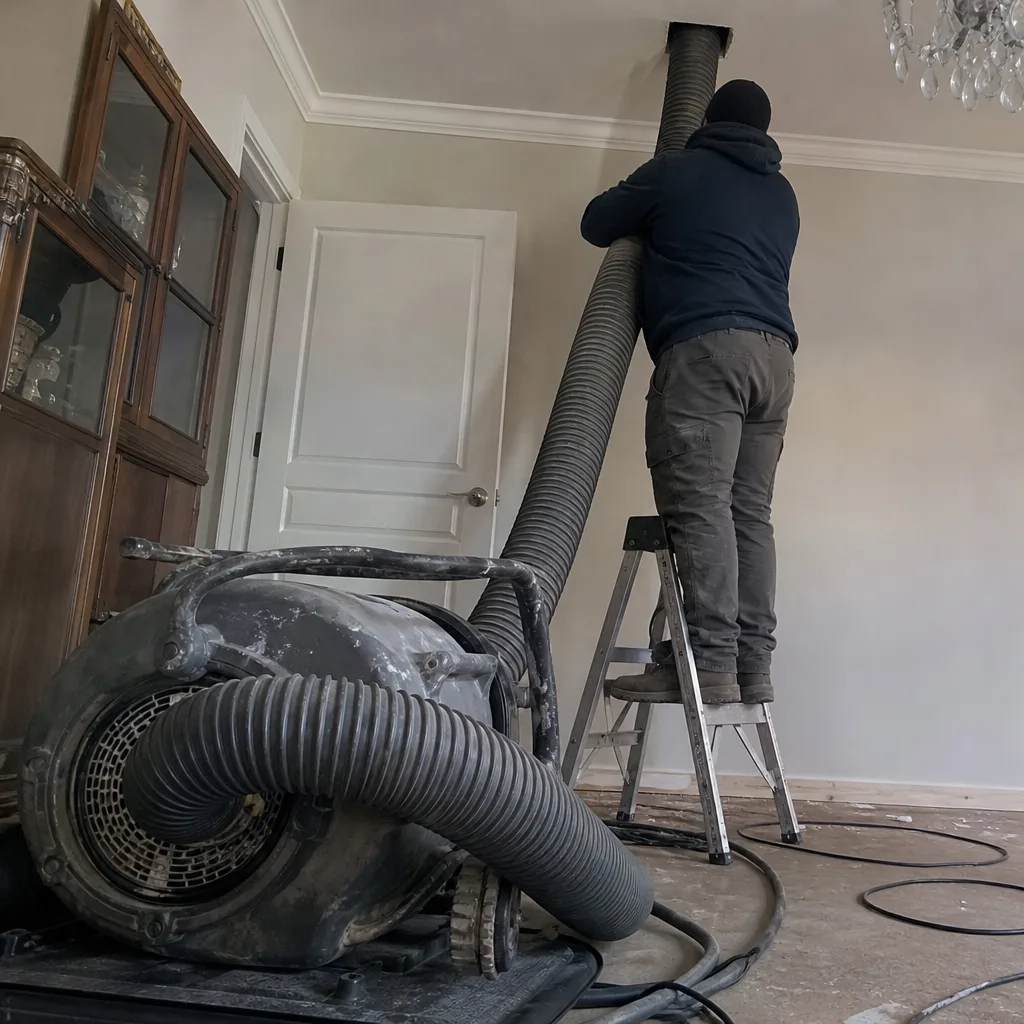
The work itself is done with equipment that’s built for the job. We use Rotobrush rotary brush cleaning systems to physically agitate and extract debris from the inside of the duct wall; that’s the standard for mechanical duct agitation. A Nikro negative-pressure setup keeps the dislodged material captured rather than redistributed into your living room. We also carry Abatement Technologies filtration equipment, the same class of air filtration used in remediation work, when a space needs that level of air handling during the service. This isn’t a shop vac with a sticker on it. It’s commercial-grade equipment, brought into your home and run by technicians who have up to 15 years of experience.
Here’s where the “clean ducts are only half the job” line actually matters. If your inspection turned up a sagging flex run, a rusted register boot, or a disconnected section, cleaning alone will not fix it. The system needs air duct cleaning to address the contamination and Duct Repair & Sealing to address the structure, and if there’s odor, moisture, or visible contamination, the assessment should extend to air quality and sanitizing. We install and service Honeywell and Aprilaire air quality products because the work often extends from clean ducts to healthier air system-wide. One call covers cleaning, repair, and air quality treatment, which means you’re not coordinating a second vendor after the first one pulls out.
For a walkthrough of the whole picture, the Air Duct Cleaning Bensonhurst page is where to start.
When Early Signs Become a Repair Instead of a Cleaning
Not every warning sign means the same thing. Some point to cleaning. Some point to repair. A regular cleaning handles contamination. A repair handles the structural problem that lets contamination back in. The trick is knowing which one you’re looking at before you call.
Cleaning is the answer when the system is intact and the signs are all about contamination: dust returning fast, a dry metallic odor, a dirty vent cover that won’t stay clean. That’s debris in an otherwise sound system, and cleaning plus sanitizing handles it.
Repair is the answer when the signs are about the structure: sagging flex duct, rusted register boots, dust trails on the ceiling, a room that never gets the airflow the rest of the house gets, a whistling register that didn’t used to whistle. Those point to gaps, disconnected runs, or collapsed sections, and cleaning a system with those issues just means the cleaning gets undone by the leaks.
Our experience is that the two are often needed together. A home with visible flex duct sag usually has contamination in the runs downstream of the leak, and a home with heavy contamination often has a failing connection that’s letting it in. The dryer vent cleaning service is worth pairing in as well: a clogged dryer vent is a fire-prevention issue that’s separate from air quality but often goes unnoticed because it’s out of sight.
The simplest rule: if the signs point to a structural problem (a sag, a rust-through, a disconnected run), have it looked at before you schedule a cleaning. If the signs point to contamination in a structurally sound system, schedule the cleaning and ask for a repair inspection at the same time. Either way, getting in front of it early is cheaper than getting in front of it after a cavity has been pulling in conditioned air for a year.
Common Mistakes to Avoid
- Judging by the vent cover alone. A dusty vent cover looks the same whether it’s surface dust or active contamination. Wipe it and check again in three days. The answer to that question is what matters, not the first wipe.
- Assuming one cold room is a thermostat problem. A single vent blowing cooler than the rest in the same room is a duct signal, not a control signal. Checking the thermostat won’t fix it, and replacing the thermostat definitely won’t. In a converted Bensonhurst two-family, the disconnected run behind the wall is a much more likely culprit.
- Painting over a rusted register boot. Rust at the register edge is a moisture signal. Paint covers the evidence but does nothing about the cause. It’s worth having the run evaluated before your next heating season.
- Air freshener over a musty smell. The smell that persists after the system shuts off is telling you something. Covering it up with a candle or spray just delays the assessment that finds the moisture source.
- Ignoring the energy bill as a “seasonal” change. If your behavior hasn’t changed but the bill has, that’s a system signal. Seasonal variation explains some of it. It doesn’t explain an increase that shows up in a month when you didn’t touch the thermostat.
- Calling a duct cleaning company that quotes a per-vent price. Per-vent pricing is the bait-and-switch pattern in this trade. You’re better served by one flat price for the whole system, agreed in writing before work starts, with before-and-after photos of your own ducts included.
- Ignoring an access panel you’ve never opened. The panel exists for a reason. Flex duct sag, moisture staining, and contamination are visible through it. It’s a 30-second check that catches problems before they spread.
See the difference
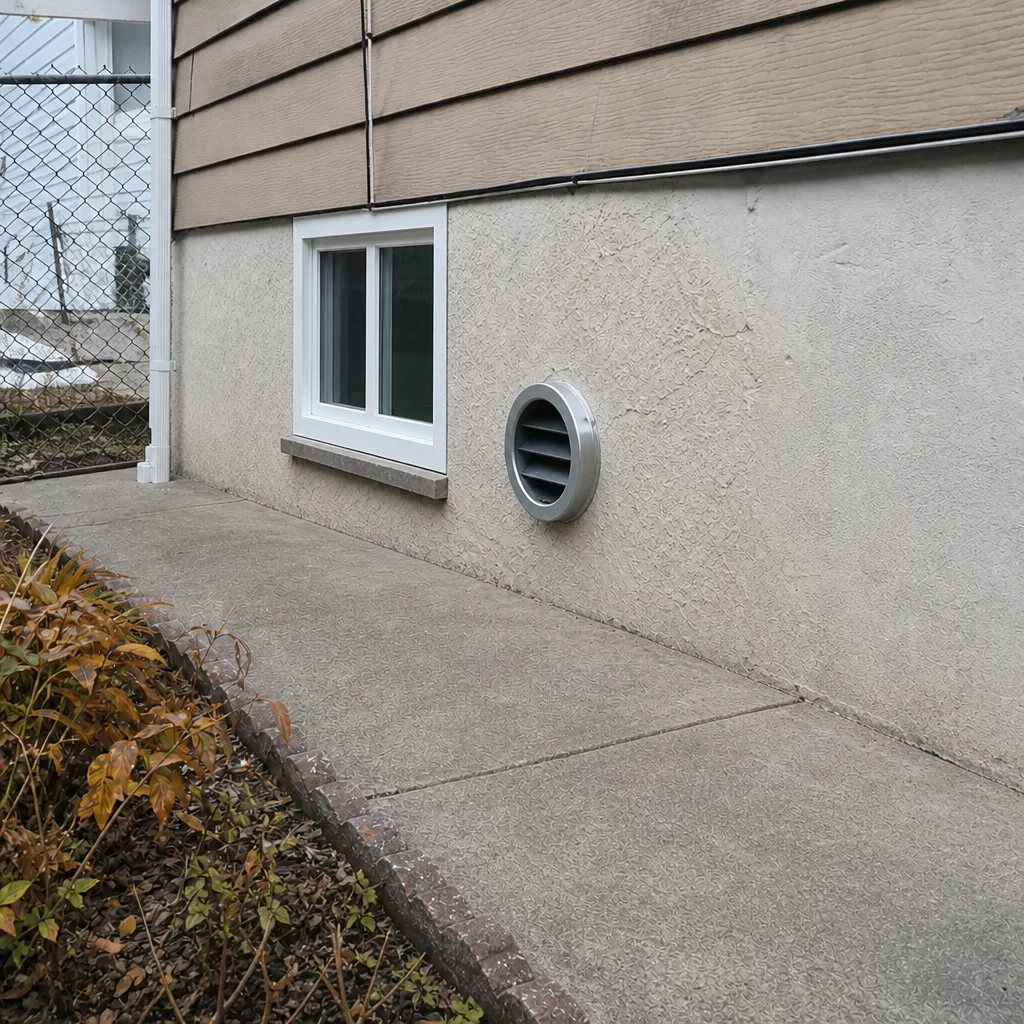
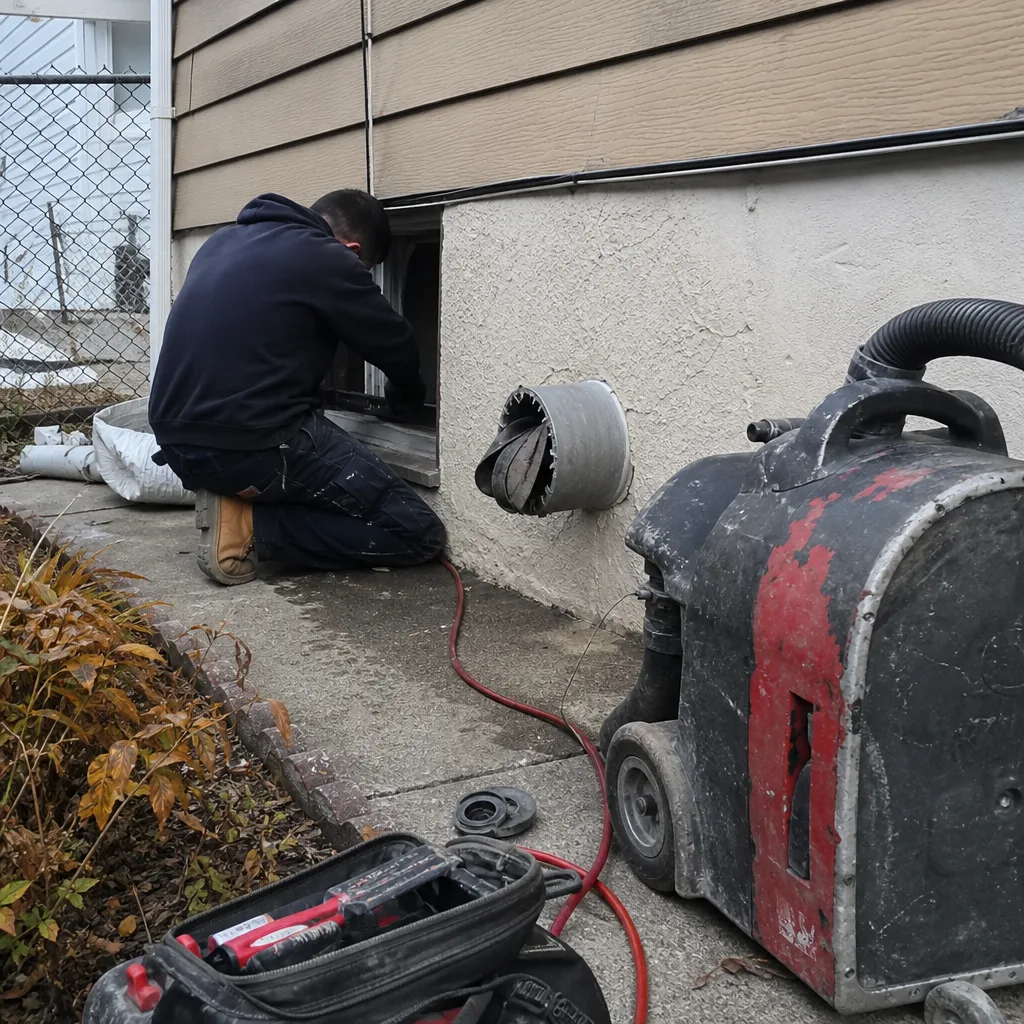 Before
 After
 Before
 After
 Before
 After
When to Call a Professional
Call a professional when you’ve marked two or more signs from the protocol above in the same part of the house. Call sooner if you see rust-through at a register, visible flex duct sag that you didn’t cause, soot tracking around an older gas vent, or an odor that persists after the system shuts off. Those are signs of structural or safety issues, not just contamination, and they deserve a trained eye. Also call if the energy bill has climbed for two consecutive months without any change in usage. A duct repair that closes a leaking run can pay for itself in comfort and energy use over time.
Air Duct Cleaning Bensonhurst offers free estimates in Bensonhurst. Call (833) 483-0627. We answer 24/7. Fast dispatch from 7am to 7pm, Sunday through Friday. The price is set per job by the written estimate, so you know the cost before any work starts, and you get before-and-after photos of your own ducts so you can see what was actually done.
Frequently Asked Questions
The earliest signs are dust that returns to the same vent covers within days of wiping, a metallic or dry smell that appears when the heat runs, and one room that never quite matches the temperature of the rest. In Bensonhurst’s older housing stock, visible flex duct sag through an access panel and rust at register edges are two more early signals that are easier to miss but easier to act on. Any one is worth noting; two or more together is worth a professional look.
Dust that returns within days means the source is active inside the duct system or the air handler, not that your house is unusually dusty. The system is depositing material from inside itself. That’s the systemic pattern, and it’s the one that cleaning is designed to solve. Call (833) 483-0627 for a free estimate if you’ve seen this pattern. Estimates are free.
A dust smell is dry, hot, and metallic, and it fades after the system runs for a while. A mold smell is earthy and damp, and it lingers after the system shuts off. That persistence is the key diagnostic detail. If the smell stays in the hallway after the fan has stopped, the moisture source is the thing to find, not just the contaminant to clean. Call us for an assessment, not a home remedy; estimates are free.
Usually, yes. A single vent blowing noticeably cooler than the others in the same room is a sign of partial blockage or a disconnected flex run inside the wall cavity. It’s especially common in Bensonhurst’s converted two-family homes where the upper-floor ductwork was retrofitted rather than designed, and the retrofit was where the weak points ended up. It’s worth having checked before you replace a thermostat that was never the problem.
The long humid stretch from late spring into early fall keeps wall cavities damp for months, which accelerates the warning signs that show up here: rust at register edges, musty odors, and flex duct degradation. Older galvanized ductwork in basement runs and tight wall chases is where you’ll see it first. If you’ve noticed rust or a persistent musty smell in a Bensonhurst basement, that’s the time to schedule an assessment.
Yes, and in most cases it should be. Cleaning a system with leaks or disconnected runs just means the cleaning gets undone by the leaks, which is why we perform Duct Repair & Sealing in-house rather than sending you to a second contractor after the cleaning is done. One call covers cleaning, repair, and air quality treatment. Call (833) 483-0627 for a free estimate; the price is set per job by the written estimate.
What should I do if I see soot around my heating vents?
Have it assessed by a trained technician before you run the system again. Soot around a vent is a combustion-safety concern, not a normal condition, and it’s not something to handle with a rag and a cleaning spray. This one is worth treating as urgent. Call us at (833) 483-0627 and we’ll get it on the schedule; estimates are free.
Twice a year works well: once before heating season starts and once before cooling season. It takes 20 minutes and it gives you a written record you can compare against the previous one. Patterns over time are what tell you whether a system is stable or degrading, and the earlier you catch a change, the less expensive it is to address. Call (833) 483-0627 if you want a professional assessment of what you found.
The Bottom Line
The warning signs that matter are the early ones: dust that returns fast, an odor that outlasts the fan, one room that never quite keeps up, a rusted register edge, a sag in a flex run you can see through the access panel. Those are the signals that appear before a system fails visibly, and they’re the ones a homeowner can catch with a 20-minute walkthrough and no tools. The cosmetic signs are the ones that show up first to the eye and last to the thermostat. If you’ve found two or more systemic signs in your Bensonhurst home, get an assessment before the next heating season, and if the signs point to structure rather than contamination, get the repair done alongside the cleaning so the cleaning actually holds. A system that’s clean, sealed, and running dry is a system that stops producing warning signs.
Call (833) 483-0627 for a free estimate. We answer 24/7. Fast dispatch from 7am to 7pm, Sunday through Friday.
Written by the team at Air Duct Cleaning Bensonhurst.