
Last updated November 22, 2026
 Whole-home duct cleaning
 Dryer vent cleaning
 Camera inspection
 Sanitizing & deodorizing
Whole-system duct and dryer vent check with before-and-after photos - you see exactly what came out of your vents
That "$99 whole-house special" is a bait ad - the real number appears once they are in your hallway, or the "clean" is a shop-vac at the register. We photograph the inside of your ducts before and after instead.
Air Duct Cleaning Emergency Preparedness Guide for Bensonhurst Homes
Most emergency kits in Bensonhurst are built around the same three items: bottled water, batteries, and a flashlight. Almost none of them address the one system in the house that can move smoke, mold spores, and construction dust into every room at once. Your ductwork is a network of dark, unsealed passages that connects your basement mechanical room to your bedrooms, and during and after an emergency event it can turn a contained problem into a whole-home problem in about two days. This guide covers what to do with your HVAC system before, during, and after the emergencies most likely to touch a Bensonhurst home, and what to ask for when the work gets documented for an insurer.
Quick Answer
After a flood, fire, or nearby construction event in Bensonhurst, keep the HVAC system off until a professional confirms the mechanical room and duct interiors are dry and clear, then have the ducts professionally cleaned with negative-pressure equipment and inspected for sealing gaps. Smoke deposits and mold spores bind to duct surfaces and cannot be removed by a standard vacuum or by running the fan. A post-event inspection report with air sampling, borescope photos, and pre-cleaning particulate readings is what makes an insurance claim for HVAC contamination hold up.
Styles & brands we work with
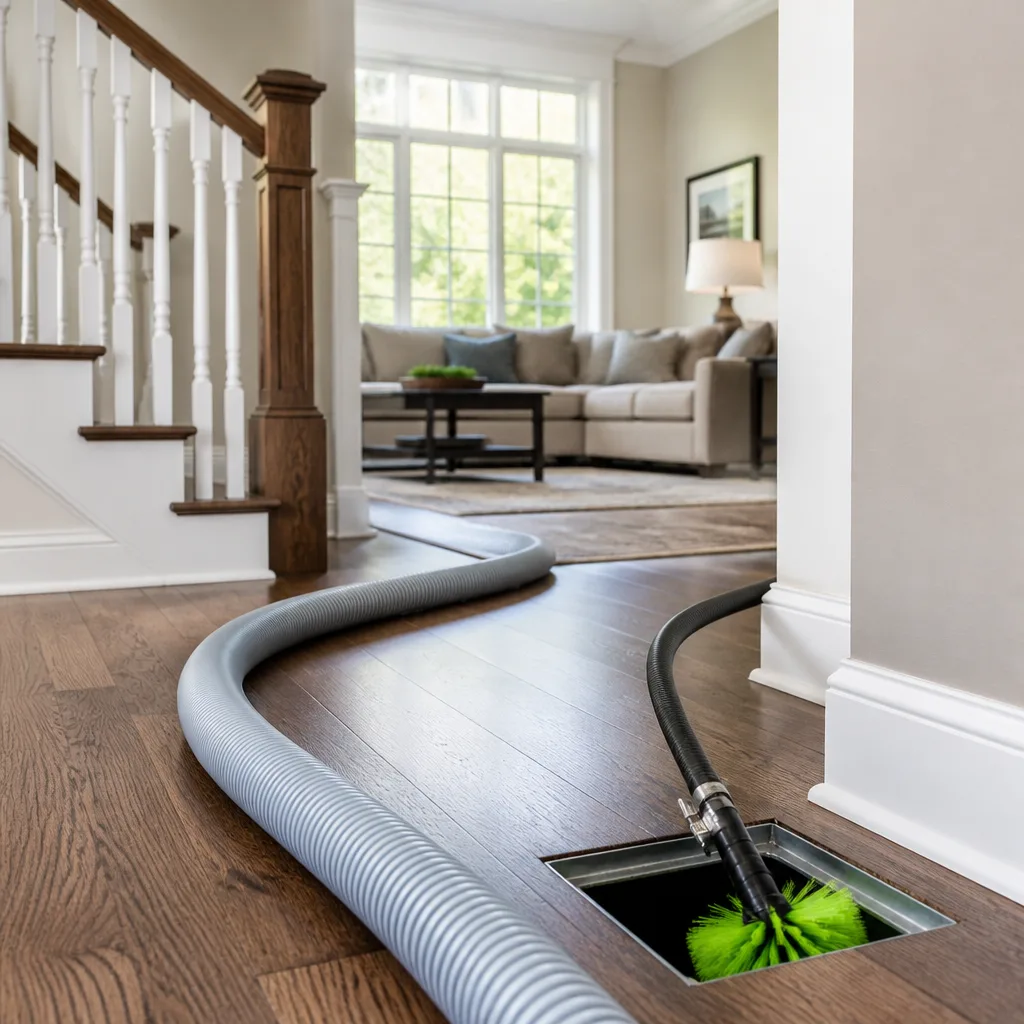
- Whole-home duct cleaning
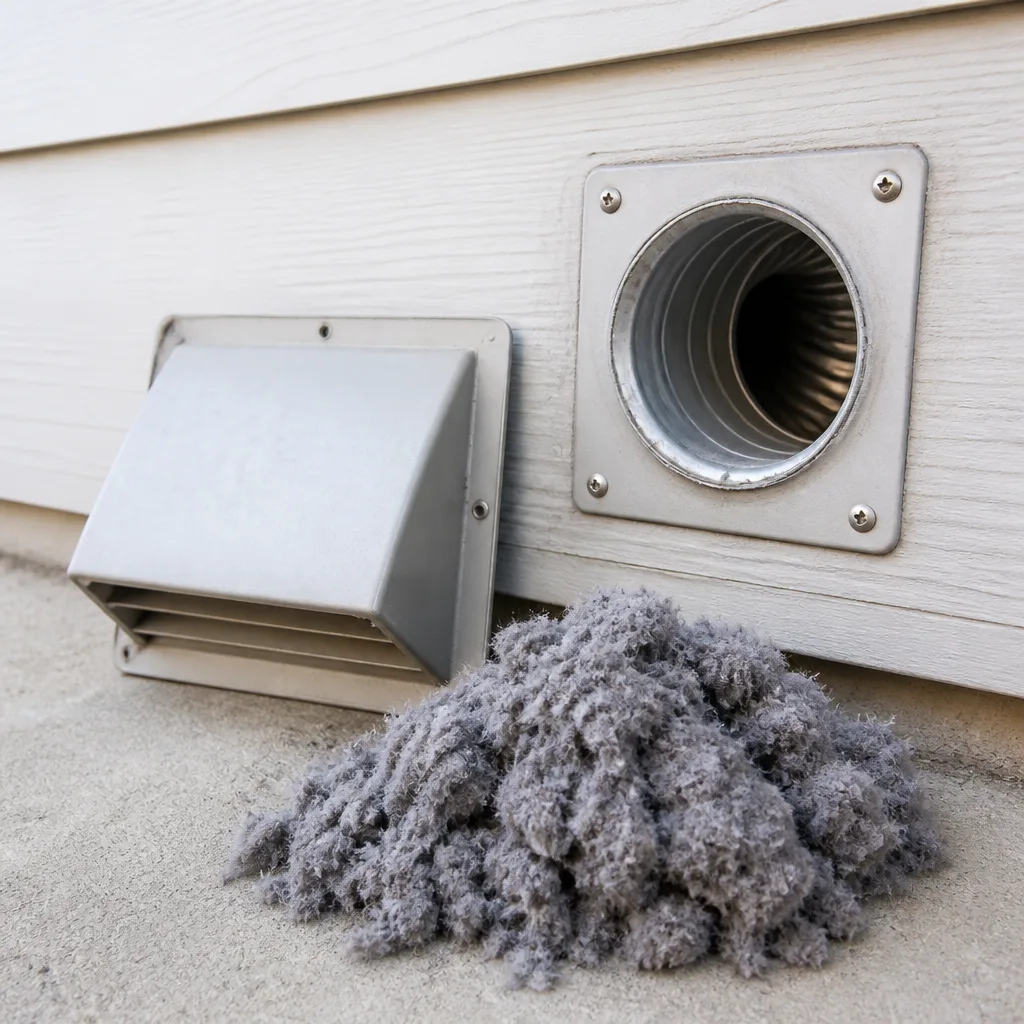
- Dryer vent cleaning
- Camera inspection
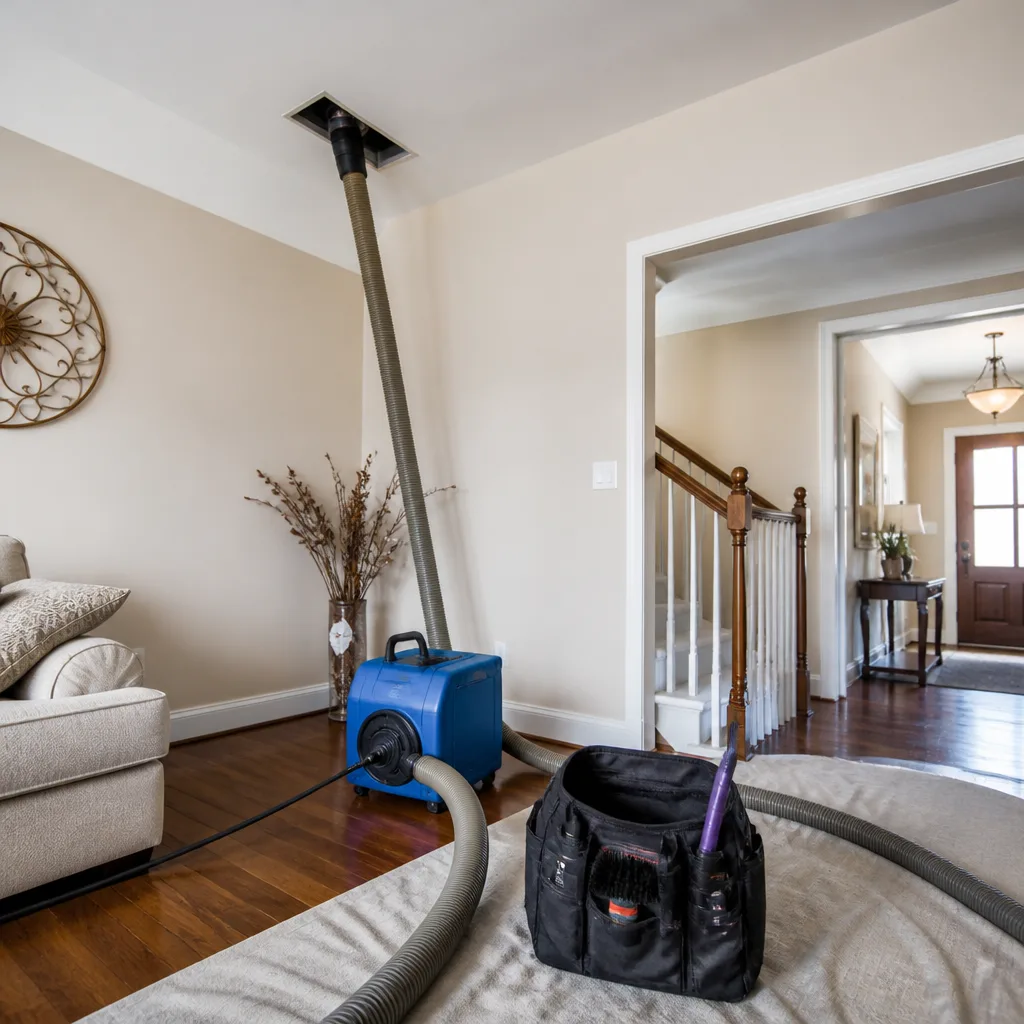
- Sanitizing & deodorizing
Table of Contents
- Why ductwork is the fastest path for contamination in Bensonhurst homes
- The four emergency events that matter most in Bensonhurst
- What to do in the first 24 hours, by event type
- How smoke and soot behave in ducts (and why standard cleaning fails)
- What a proper post-emergency duct inspection includes
- The documentation checklist for an insurance claim
- Preparedness steps to take before the next event
- The dryer vent: a separate fire risk on the same checklist
Why ductwork is the fastest path for contamination in Bensonhurst homes
A duct system is a closed loop with a fan in the middle of it. Run the fan after a contamination event and you are actively distributing whatever got into the system. Dust, soot, mold spores, and construction particulate ride the airstream out of the supply registers and settle on every surface in the house, including furniture, bedding, and clothing in rooms that were never near the original problem.
Older Bensonhurst housing stock makes this worse in ways that aren’t obvious from the living room. Many of the two- and three-family homes in this part of Brooklyn have mechanical equipment in a below-grade space, and the original duct runs in those buildings were installed decades before modern sealing standards. Return-air paths are often improvised rather than engineered. When sections of the same building share a forced-air system, or when basement units have their own air handlers, one contaminated system can affect several households at once. That’s a real concern for the landlords and property managers in Bensonhurst who carry responsibility for tenant air quality across multiple units.
What makes this an emergency-preparedness topic rather than a cleaning topic is timing. Most of the damage isn’t done by the event itself. It’s done in the hours and days afterward, by well-meaning decisions taken to dry out a space or get the house back to normal. Our experience has been that the homeowner who runs the system to air out a flooded basement ends up with a much bigger problem than the homeowner who waits and calls first.
The four emergency events that matter most in Bensonhurst
Brooklyn doesn’t get the same emergency profile as a coastal city. The events that actually reach a Bensonhurst duct system are more often local, structural, and interior than they are storm-driven. Here’s what we see most.
- Basement and mechanical-room flooding. Burst supply lines, sewer backups, and long heavy-rain periods that overwhelm below-grade drainage all put water near furnaces, air handlers, and the duct trunks that connect them.
- Kitchen and electrical fires. A contained fire in one room still pushes smoke and soot into the return-air system, and return inlets pull from areas you wouldn’t expect.
- Adjacent construction and demo work. When a three-family building down the block goes through a gut renovation, fine masonry dust moves through the building envelope and gets drawn into outdoor air intakes.
- Storm debris entering outdoor air intakes. High-wind events push leaves, grit, and fine particulate into rooftop and sidewall intake openings, especially where screening is missing.
Each of these puts a different type of contaminant into the system, and each one needs a different response in the first day. Treating a fire event like a flood event, or a construction event like a storm event, is where a lot of homeowners go wrong.
What to do in the first 24 hours, by event type
These are the actions to take or avoid immediately after each type of event. None of them replace a professional inspection. They’re what a homeowner can do to keep the situation from getting worse before help arrives.
Flooding in the basement or mechanical room
- Turn off the HVAC system at the thermostat. Better, shut off the circuit at the breaker if you can reach it without standing in water. Do not run the fan to dry the space.
- Do not run any heating or cooling. A wet mechanical room running a system is the worst combination available. Even if the water only reached the base of the air handler, the blower can pull moisture-laden air through the entire duct system.
- Document the water line before you pump anything out. Photograph the water level against the equipment, the duct connections, and any insulation.
- Get standing water out, but do not start heating or cooling until a contractor confirms the equipment and ducts are dry.
- Call for an inspection before you run the system again. A professional inspection costs far less than a whole-house cleanup after re-contamination.
Fire and severe smoke
- Turn the system off at the thermostat right away. If the fire was anywhere near a return inlet, the fan was already moving smoke while the fire burned.
- Do not run the fan to “clear the smoke.” It pushes soot particles deeper into the airstream and into every room.
- Keep the system off until it’s inspected. Soot deposits behave differently from dust and don’t come out with a plain vacuum.
- Call a duct professional as soon as the fire department clears the building. Soot left sitting on a duct wall keeps migrating every time the system runs later.
Adjacent construction and structural dust events
- Change the filter before restarting. A filter packed with masonry dust will bypass around the frame and pass particulate downstream.
- Run the system only after the filter is changed. Then watch the filter for several days and change it again if it loads fast.
- Schedule an inspection if the filter loads fast twice. That usually means grit is already inside the system, not just coming in through the intake.
Storm-related intake contamination
- Don’t run the system on high fan speed during the peak of the event. That pulls the most outside air through the intake.
- Check outdoor air intake screens once the storm passes. Missing or damaged screening lets debris reach the fan and coil directly.
- Change the filter before the next heating or cooling season. Small particulate that got past the screen tends to settle in the filter and on the coil.
How smoke and soot behave in ducts (and why standard cleaning fails)
Smoke deposits are not dust, and the difference matters. Soot from a fire is composed of fine carbon particulate and a mix of acidic combustion byproducts that bind electrostatically and chemically to duct surfaces. They form a thin, adhesive film that clings to galvanized steel, flex duct liners, and coil fins. Ordinary shop-vac cleaning and a brush sweep can’t remove it because the film isn’t sitting on the surface; it’s attached to it.
Soot also interacts with moisture. In a building where a fire-suppression effort put water into the air, the soot film can hold that moisture against the metal, which sets up a corrosion problem on top of the contamination problem. Running the system after a fire while moisture is still present accelerates that.
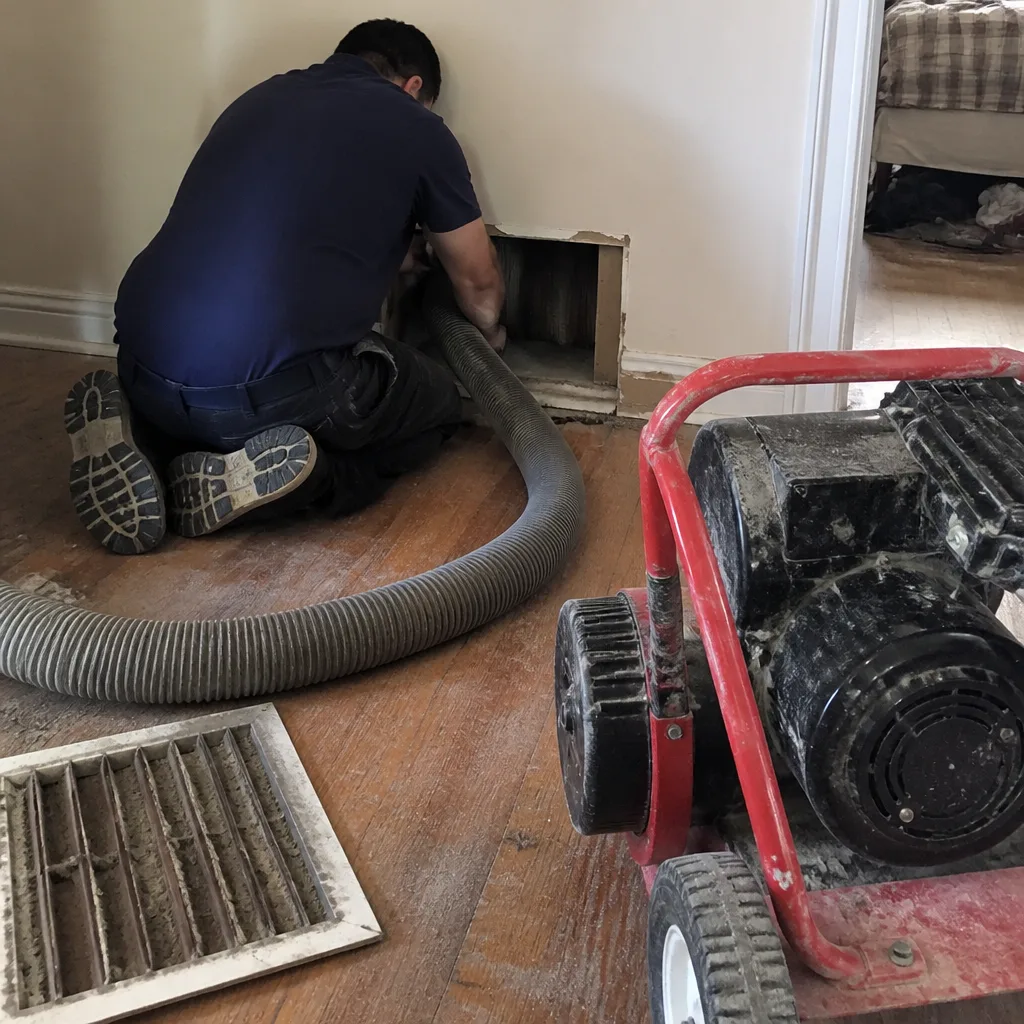
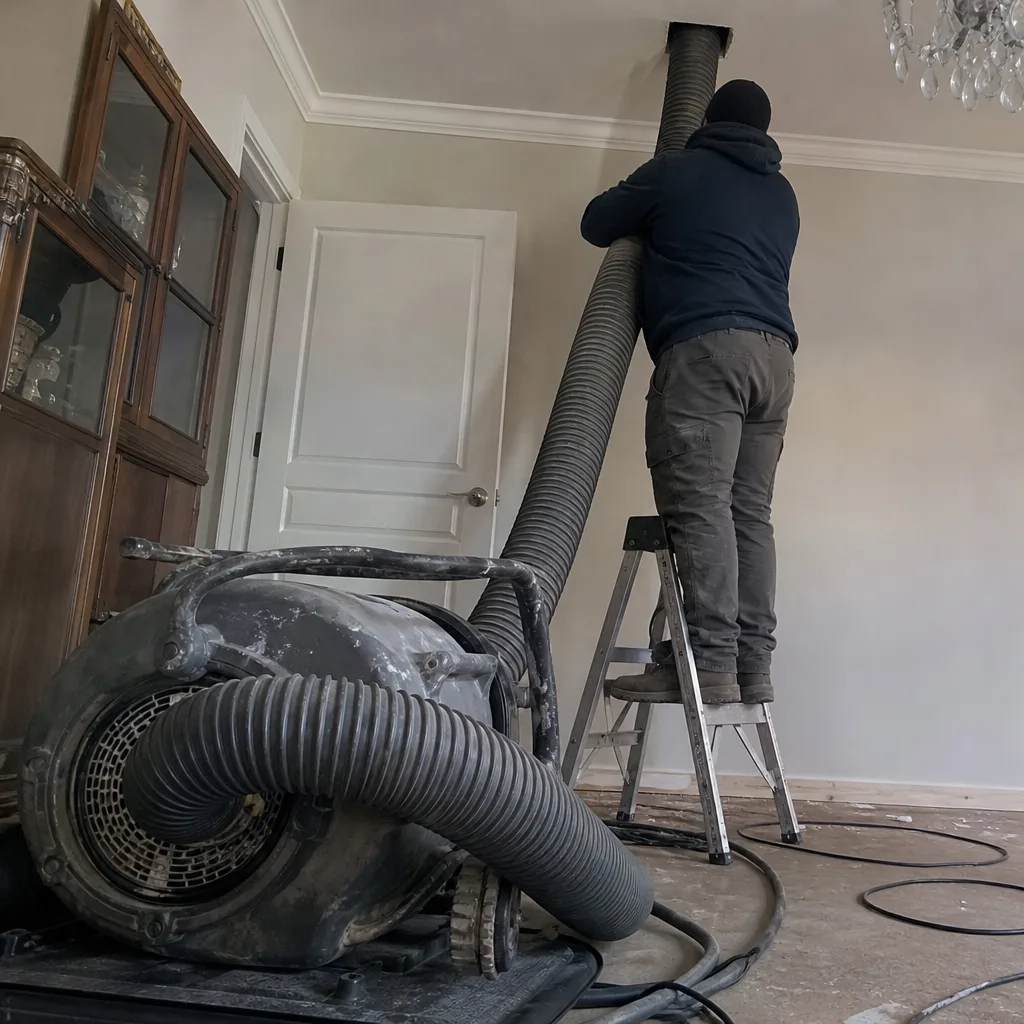
That’s why the post-fire cleaning our team performs on Bensonhurst homes looks different from a routine cleaning. The mechanical process uses a Rotobrush rotary brush system to agitate the surface with the pressure needed to lift the film, while Nikro negative-pressure equipment keeps the whole system under vacuum so nothing that gets dislodged is redistributed back into the house. In severe cases, a chemical encapsulation step is required. That’s a process of applying a coating that seals residual carbon residue to the duct surface so it can’t re-migrate; it’s not a cleaning product you spray and forget, and it has to follow a mechanical cleaning that actually removed the surface layer first.
Smoke and soot control is also why we treat structural sealing as part of the post-fire job. A duct run with a leak downstream of the cleaning won’t stay clean. That’s the thinking behind our air duct cleaning service including duct repair and sealing, so the system that comes out of an emergency event is one that stays in good shape afterward.
What a proper post-emergency duct inspection includes
A credible post-event inspection is more than a technician walking through and saying “looks like it needs cleaning.” It has three parts, and each one answers a different question.
1. Air sampling and particulate counts
Pre- and post-cleaning air samples tell you what was in the air and whether the cleaning worked. The equipment we use for air quality work is Abatement Technologies filtration equipment, the same standard used in professional remediation settings. It gives you numbers you can put in a report and give to an insurer, not just a verbal impression.
2. Borescope inspection of duct interiors
A borescope goes inside the duct runs to photograph the interior surfaces: the trunk lines, the branch runs, the takeoffs, and the coil face. Without it, a contractor is only looking at what they can see from the register, and most of the contamination sits well past that point.
3. Blower door testing
Blower door testing pressurizes the building envelope so you can actually measure how much air is leaking and where it’s coming from. That’s how you identify infiltration paths: gaps around the furnace base, unsealed duct joints, disconnected runs, and any opening through which outdoor or below-grade air is entering the system. Without this step, you don’t know whether the cleaning you’re paying for will hold or whether the system will re-contaminate within a few months.
Ask for all three. A contractor who can’t produce borescope photos and post-cleaning particulate readings is telling you something about the process.
The documentation checklist for an insurance claim
Insurance claims for HVAC contamination succeed or fail on documentation. The time to collect it is before the cleaning, not after. Here’s what a post-inspection report should contain when you or your adjuster reviews it.
- Pre-cleaning air quality readings with the sampling method named, because the pre-reading is the baseline that proves contamination was present.
- Borescope photographs of duct interiors with the location of each photo identified by run and register, so the adjuster can tie each photo to a system element.
- Blower door test results showing measured air leakage and the infiltration paths identified as the cause.
- A written scope of work listing every process performed: rotary agitation, negative-pressure extraction, chemical encapsulation where used, sealing performed, and post-cleaning verification.
- Post-cleaning air quality readings for comparison against the pre-clean baseline.
- Equipment list naming the specific systems used (Rotobrush, Nikro, Abatement Technologies) rather than generic descriptions, because adjusters increasingly ask for equipment detail.
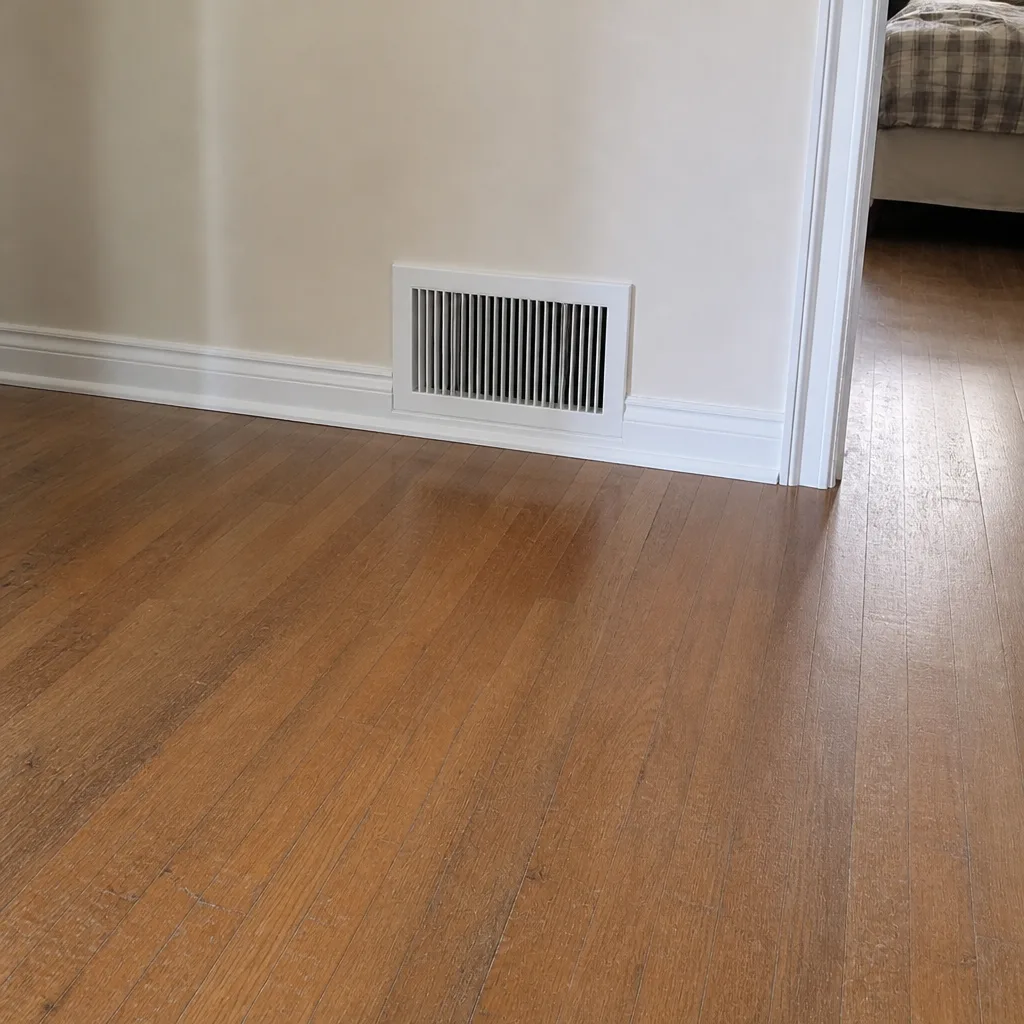
- A before-and-after photo set of the actual ducts in your home, not stock photos.
- Written documentation of the date and time the HVAC system was shut down relative to the event, which matters in a mold claim.
Give copies to your adjuster, keep the originals. Our written reports are structured to satisfy this checklist, and we can deliver them to you as PDF.
Preparedness steps to take before the next event
The best protection against a post-emergency duct problem is preparation done well before there’s an emergency at all. Here’s what we recommend to Bensonhurst homeowners and multi-unit building managers.
- Locate your HVAC circuit breaker and label it clearly. If you can’t kill power to the system from outside the mechanical room, get an electrician to add a disconnect you can reach. In a flood event you may not be able to reach the breaker at all.
- Have your ducts professionally cleaned and sealed once, as a baseline. A clean, sealed system is easier to assess after an event because the starting point is known.
- Keep a spare filter of the correct size in the house. In our experience, the filter is the first casualty of a construction-dust or storm-dust event, and the wrong size filter is worse than none because it bypasses.
- Photograph your mechanical room and visible duct runs now. A dated photo of the equipment and connections makes it much easier to document what was damaged after an event.
- Add the HVAC shutoff step to your household emergency plan. Put it on the same list as the water main and the gas shutoff, because it belongs on that list.
The dryer vent: a separate fire risk on the same checklist
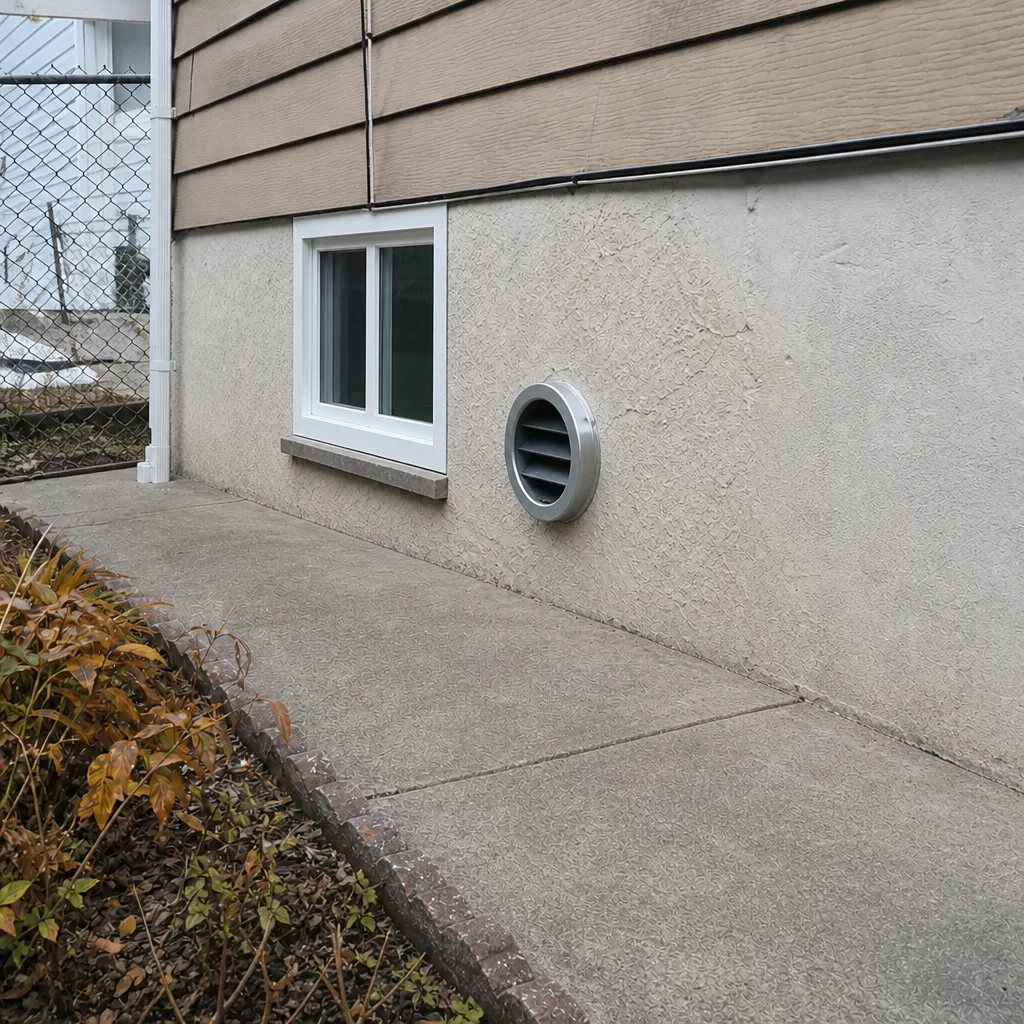
While you’re reviewing ducts for emergency readiness, look at the dryer vent. Lint accumulation in a dryer vent is a leading cause of residential fires, and it’s the one part of the duct system that most duct-cleaning services skip. We treat dryer vent cleaning as a standard part of the service scope, and the reason is simple: a blocked dryer vent is a fire risk in a Bensonhurst home regardless of what the ductwork is doing. If your home has a long dryer vent run, a run with multiple elbows, or a run that terminates on a shared wall in a multi-unit building, it deserves a look now rather than during the next inspection.
Common Mistakes to Avoid
- Running the HVAC system to dry out a flooded mechanical room. This is the single biggest mistake after a basement flood. It distributes moisture-laden air through every duct, which is how a one-room flood becomes a whole-house cleanup.
- Turning the system back on “just to see if it works.” A quick test run after a fire or flood is enough to push contamination into rooms that were previously untouched. Have it inspected first.
- Hiring a duct cleaner whose only tool is a shop vac. Consumer vacuums and consumer pressure can’t lift soot film or reach into trunk runs. Ask what equipment will be used before you book.
- Cleaning ducts without fixing the leaks that let contamination in. In older Bensonhurst homes, unsealed joints and disconnected runs are the common cause of re-contamination. Cleaning that doesn’t include a proper sealing step doesn’t solve the problem.
- Skipping the pre-cleaning air quality measurement. If you’re filing a claim, the pre-cleaning baseline is the document that makes the claim defensible. Without it, the adjuster has nothing to compare against.
- Not documenting the timing of the HVAC shutdown relative to the event. Timestamps matter in a mold claim, and a note and photo of the breaker position is enough.
- Ignoring the dryer vent while focusing on the air ducts. They’re two different fire-risk profiles and both need attention, especially in a multi-family building where one vent run serves a shared wall.
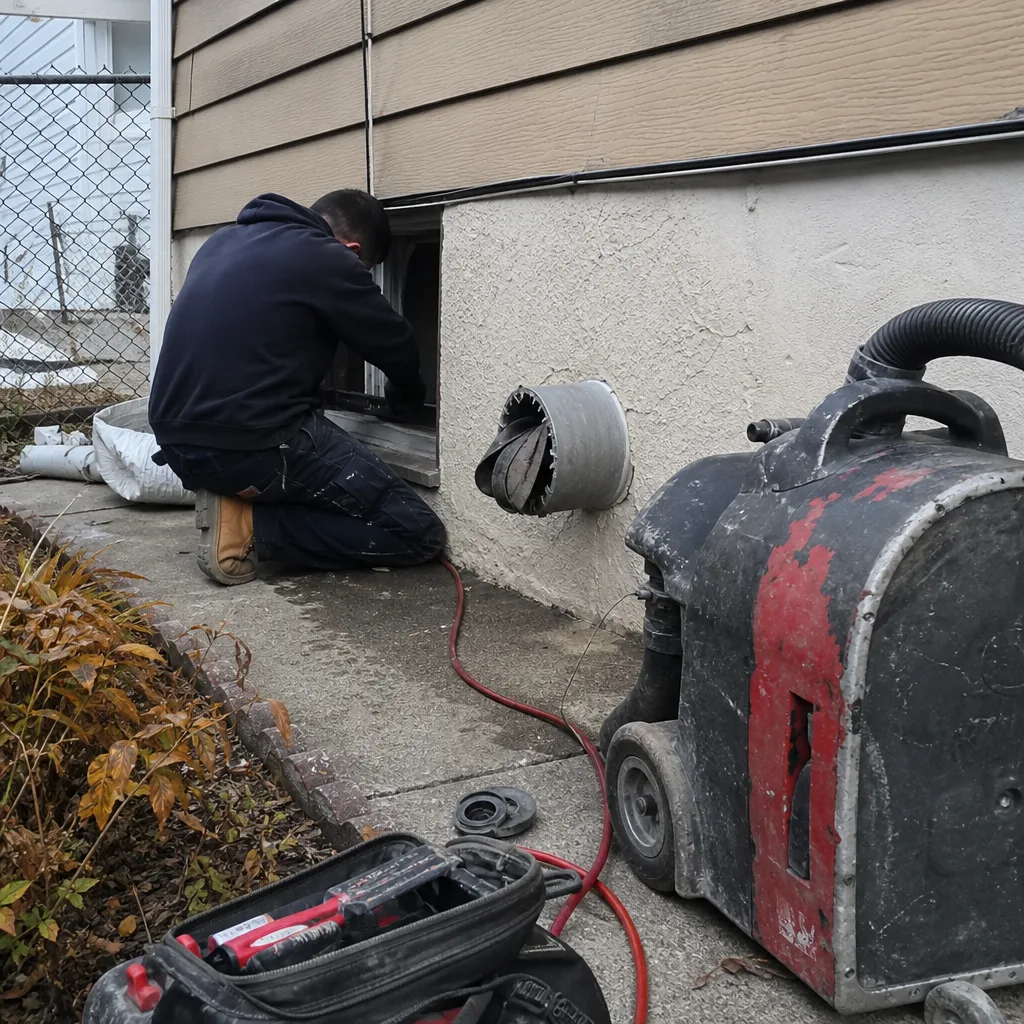
See the difference
 Before
 After
 Before
 After
 Before
 After
When to Call a Professional
Call a professional duct contractor if any of the following are true: your home experienced basement flooding where water reached the HVAC equipment or its duct connections; there was a fire or significant smoke event in the building; a filter loaded with fine masonry dust within a day or two; you notice musty odors from registers after a storm; or you’re filing an insurance claim that involves HVAC contamination and need the report to back it up. In any of those cases, the work isn’t in scope for a homeowner, and the risk of running the system first is real. Air Duct Cleaning Bensonhurst offers free estimates in Bensonhurst and can walk you through what a post-event inspection will cover. Call (833) 483-0627. We answer 24/7. Fast dispatch from 7am to 7pm, Sunday through Friday.
Frequently Asked Questions
No. Do not run the fan or heating or cooling after a basement flood until a professional confirms the mechanical room and ducts are dry. A running system pulls moisture-laden air through every duct in the house, which can turn a contained flood into a whole-home contamination problem. Turn it off at the thermostat and the breaker, then call for an inspection. Call (833) 483-0627 for an exact quote. Estimates are free.
After a fire or flood, post-emergency duct cleaning typically involves more work than a routine cleaning because soot and moisture contamination require encapsulation and sealing beyond basic extraction. Pricing is set per job by a written estimate after inspection, so the range depends on the size of the system, the extent of contamination, and whether sealing is needed. Call (833) 483-0627 to get an estimate based on your home.
No. Soot from a fire bonds chemically and electrostatically to duct surfaces, so ordinary vacuuming and brushing won’t lift it. Post-fire cleaning requires mechanical agitation with a rotary brush system plus negative-pressure extraction to capture what’s dislodged, and chemical encapsulation to seal residual carbon so it doesn’t re-migrate. Ask what process the contractor will use before you book. Call (833) 483-0627 for an exact quote. Estimates are free.
A proper report should include pre- and post-cleaning air quality readings, borescope photographs of duct interiors by run, blower door test results showing infiltration paths, a written scope of work, an equipment list, a before-and-after photo set, and the date and time of HVAC shutdown relative to the event. If a contractor can’t produce those documents, the report won’t support a claim. Call (833) 483-0627 for an exact quote. Estimates are free.
Ask for borescope photos of the duct interiors before and after cleaning, plus post-cleaning air quality readings measured against a pre-cleaning baseline. Those two things together are the evidence trail. Before-and-after photos of your own ducts, not stock images, are the standard. Our reports include all three, and we leave a PDF copy with you so you have everything on file. Call (833) 483-0627 for an exact quote. Estimates are free.
Duct cleaning after an emergency event should happen immediately after the event, not on a fixed schedule. Routine cleaning for a Bensonhurst home usually falls on a multi-year timeline, but a fire, flood, or major construction event makes it a same-day decision, because waiting lets contamination settle into the coil and liner where it’s much harder to remove. Call (833) 483-0627 for an exact quote. Estimates are free.
Yes. We provide residential and commercial duct cleaning, dryer vent cleaning, and HVAC system cleaning, and we work with landlords and property managers responsible for tenant air quality in multi-unit buildings. After an event, the inspection report and photo documentation are particularly useful for a property manager who needs to show the work to owners and insurers. Our technicians have up to 15 years of experience with the equipment. Call (833) 483-0627 for an exact quote. Estimates are free.
The Bottom Line
An emergency kit without a duct plan is a kit that stops at the living room. The three decisions that matter most are: keep the system off until it’s inspected; document the event before you pump, clean, or restart anything; and hire someone with the equipment to actually lift soot and capture mold spores, not just the cheapest coupon. Once the cleaning is done, have the same team seal the leaks that let the contamination in, and inspect the dryer vent on the same visit. If you’re near an event right now, or you just want the baseline inspection done before it happens, Air Duct Cleaning Bensonhurst is set up to help. We work on the whole HVAC system, not just the vents. If you need a wider overview of the duct services we offer, our Air Duct Cleaning Bensonhurst page covers the full scope.
We connect Bensonhurst homeowners with local, vetted professionals who use commercial-grade equipment in the home. One flat price per system is agreed on before any work starts, and you get before-and-after photos of your own ducts, not a stock photo. Call (833) 483-0627. We answer 24/7. Fast dispatch from 7am to 7pm, Sunday through Friday.
Written by the team at Air Duct Cleaning Bensonhurst.