
Last updated November 22, 2026
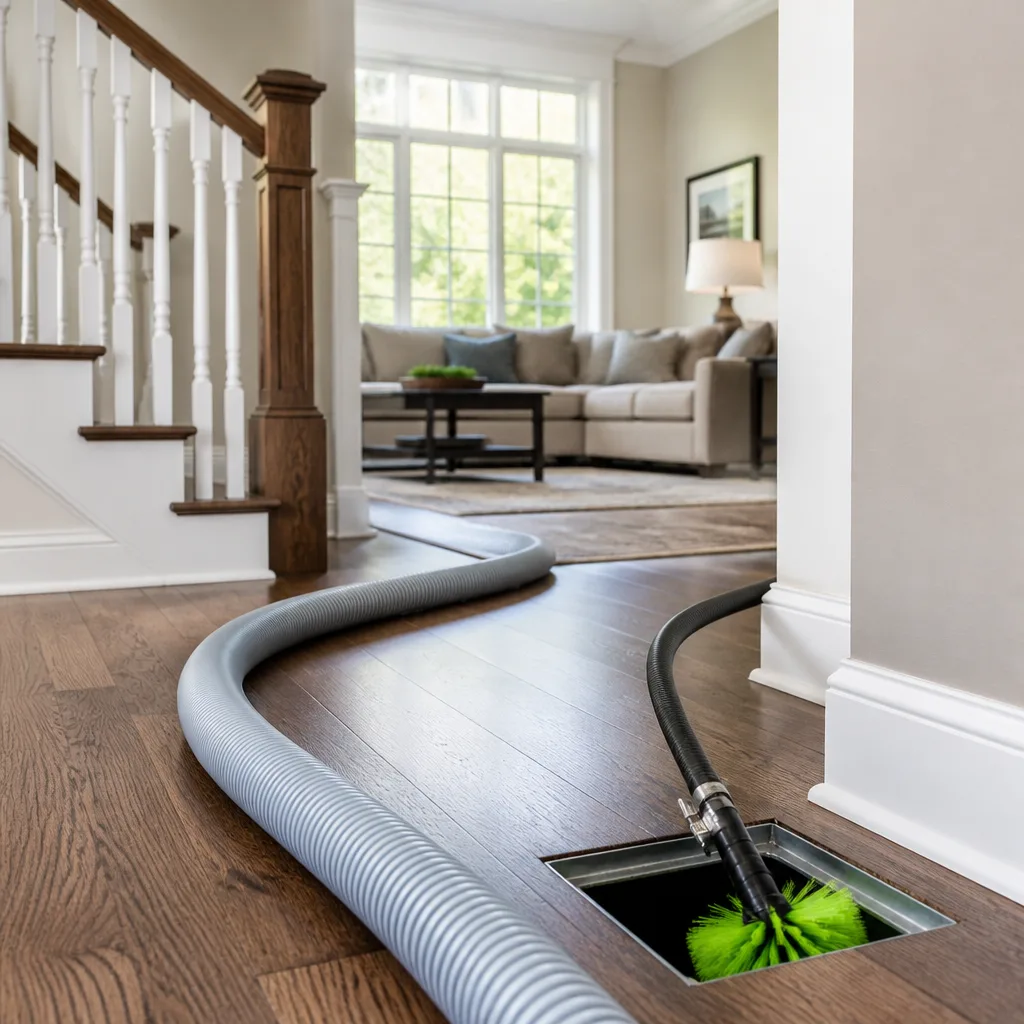 Whole-home duct cleaning
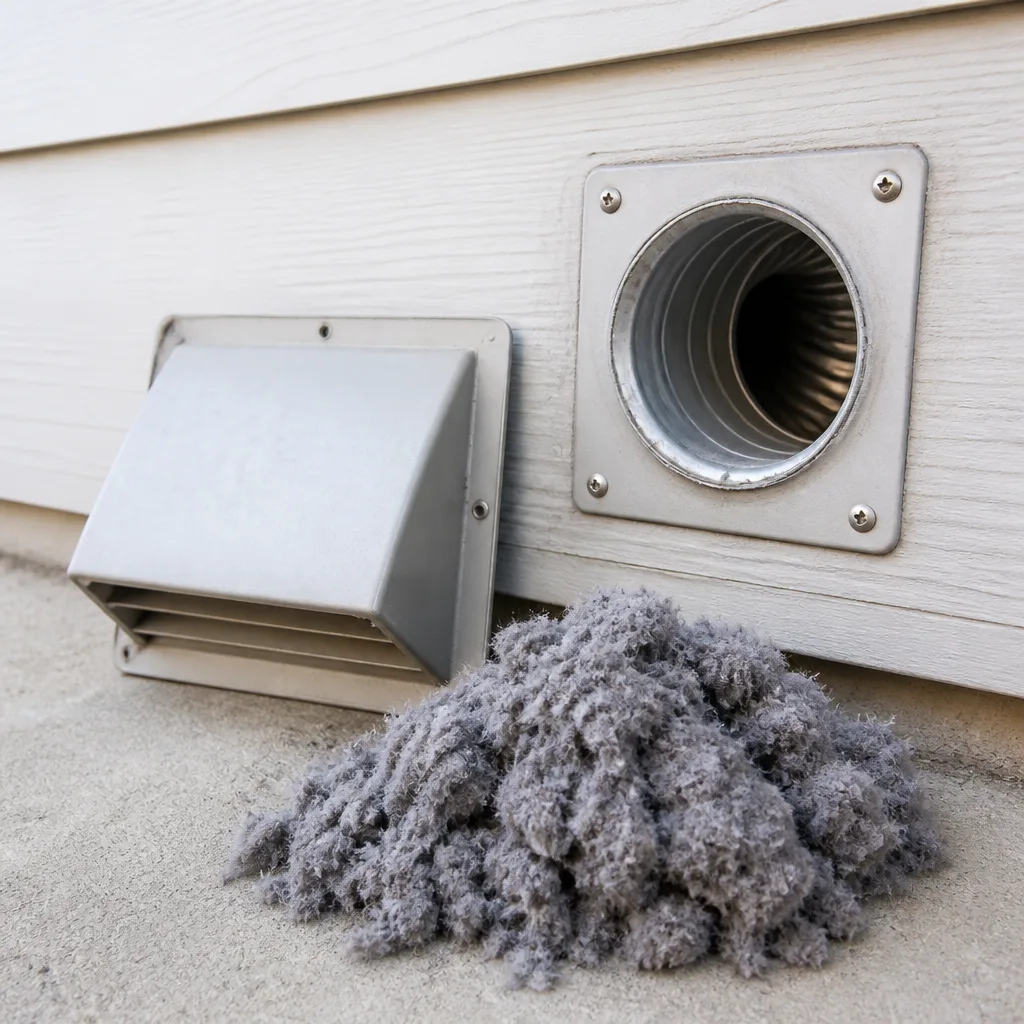 Dryer vent cleaning
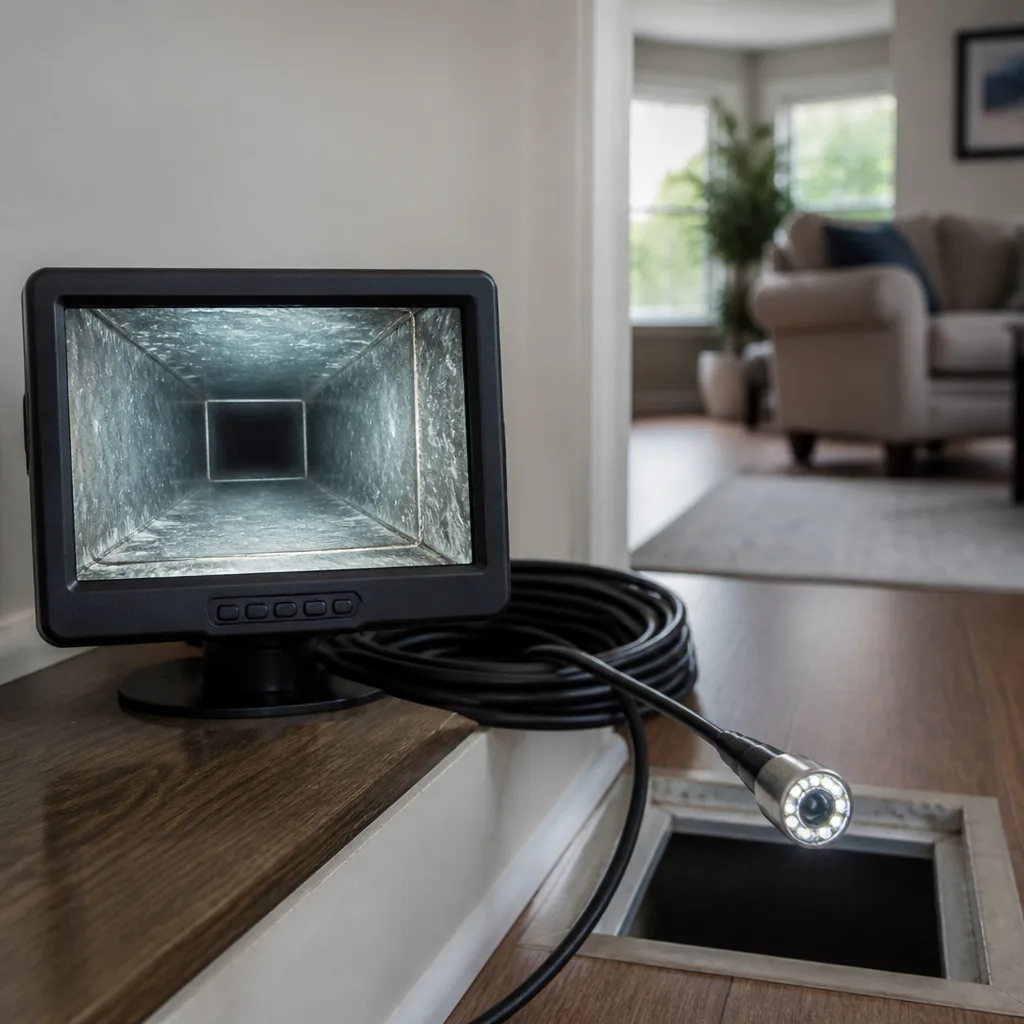 Camera inspection
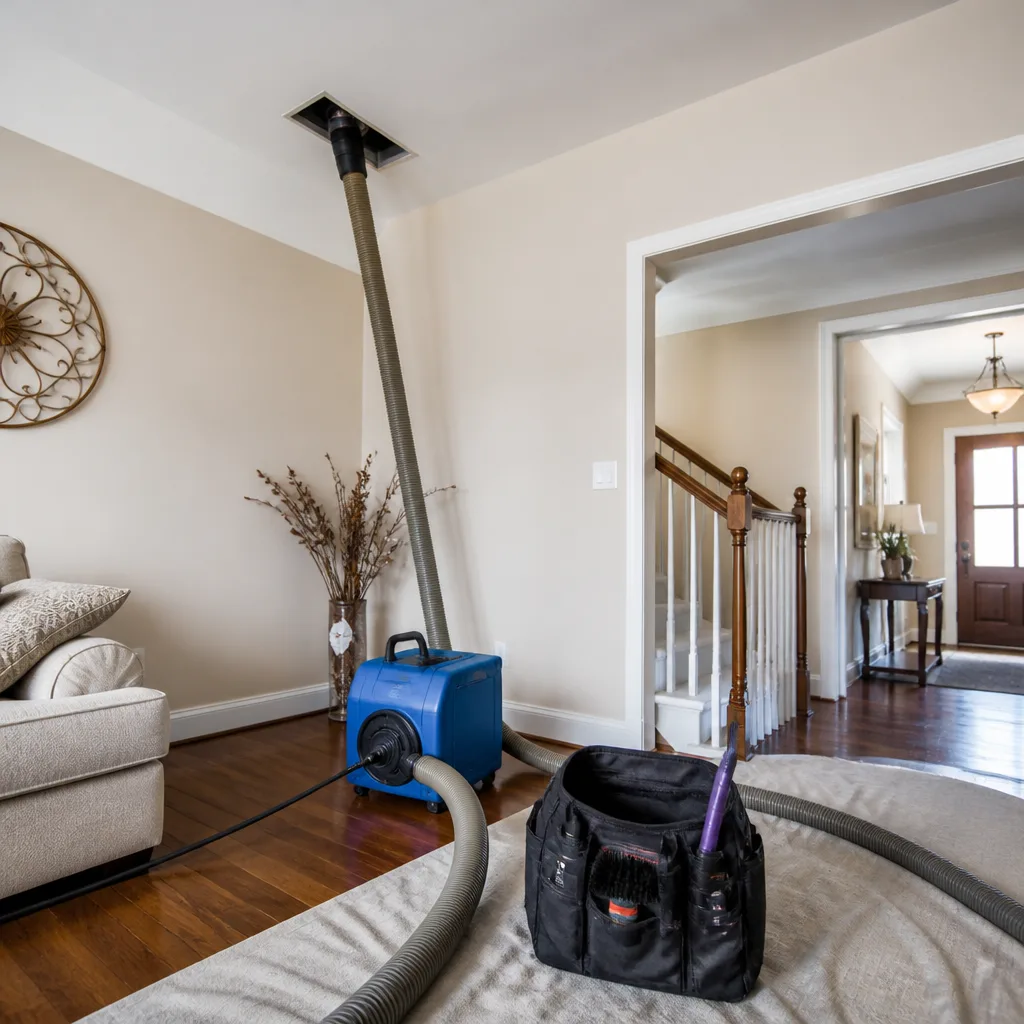 Sanitizing & deodorizing
Whole-system duct and dryer vent check with before-and-after photos - you see exactly what came out of your vents
That "$99 whole-house special" is a bait ad - the real number appears once they are in your hallway, or the "clean" is a shop-vac at the register. We photograph the inside of your ducts before and after instead.
Choosing the Right Air Duct Cleaning Brand: A Buyer’s Guide for Bensonhurst
The companies all call themselves certified air duct cleaners. The certificates on their sites look the same. The reviews sound the same. Then one arrives with a Nikro negative-pressure system and a Rotobrush rotary brush, one arrives with a truck-mounted vacuum, and one arrives with a shop vac and a branded hose. The results are not in the same category, even though the branding is. Picking a duct cleaning company in Bensonhurst comes down to two things you can actually inspect: the equipment platform and the cleaning method. This guide shows you how to evaluate both before you book, and how to look past the marketing to the work itself.
Quick Answer
The right air duct cleaning company in Bensonhurst is the one using commercial-grade agitation and negative-pressure equipment (Rotobrush rotary systems, Nikro negative-pressure units, Abatement Technologies filtration) and a cleaning method that addresses the whole HVAC system, not just the visible vents. Ask for a written scope component by component, ask to see the equipment before work starts, and ask how they verify the job after cleaning. Equipment and process decide the outcome; the brand name on the van does not.
Styles & brands we work with
- Whole-home duct cleaning
- Dryer vent cleaning
- Camera inspection
- Sanitizing & deodorizing
Table of Contents
- Why Equipment Is the First Thing to Evaluate
- What Rotobrush Rotary Cleaning Actually Does
- Nikro Negative-Pressure Equipment and Why It Matters
- Abatement Technologies Filtration: Containing What Comes Loose
- The Five Phases of a Complete Duct Cleaning
- Why Five-Star Reviews Don’t Tell You About Cleaning Quality
- Three Questions That Separate a Specialist From a Duct Cleaner
- Beyond Cleaning: Repair, Sealing, and Air Quality
Why Equipment Is the First Thing to Evaluate
Duct cleaning looks simple from the outside. A hose goes in, debris comes out. The difference between a real cleaning and a cosmetic one is entirely in what happens inside that hose and around it. A consumer-grade vacuum with a long hose can pull some loose dust toward the intake. It cannot agitate debris that has bonded to duct walls, and it cannot guarantee that what breaks loose gets captured rather than settling back into the home.
That gap is where the whole evaluation starts. Commercial duct cleaning isn’t one tool; it’s a system of them, each doing a distinct job:
- Agitation equipment breaks material off the duct walls. Rotary brush systems are the benchmark here.
- Negative-pressure equipment holds the duct system under suction so dislodged contaminants travel to a collection point instead of into the living space.
- Air filtration catches what’s in the air while the work is happening, particularly the fine particles that escape agitation and extraction.
- Inspection equipment confirms the job before and after. Without it, nobody actually knows what changed.
In our experience, when a quote is dramatically lower than a competitor’s, the gap is almost never in the price of labor. It’s the absence of one or more of these pieces. Ask what will be in the building before you agree to the job. The answer tells you whether you’re buying a cleaning or a vacuum pass over the vents.
What Rotobrush Rotary Cleaning Actually Does
A Rotobrush rotary system is a purpose-built duct cleaning rig. A rotating brush head travels inside the duct and agitates the interior surface while a high-powered vacuum line running alongside it pulls the loosened material out at the same time. The agitation and the extraction happen in one pass, which is why the system is the industry benchmark for mechanical duct cleaning.
The comparison that matters is against two alternatives:
- Manual brush methods. A handheld brush can reach a short section of duct, but the reach, agitation force, and extraction are all far below what a coupled rotary-and-vacuum system delivers. It’s fine as a spot tool, not as a whole-system method.
- Vacuum-only approaches. Suction alone pulls loose debris. It does not reliably remove material that is adhered to the duct surface. This is why vacuum-only jobs often look clean at the register and still produce dust for months afterward.
For Bensonhurst homes, the difference shows up in an obvious place. This is an older Brooklyn neighborhood with a lot of two- and three-family buildings, some with original ductwork that has gone through many renovations. Duct interiors here can hold renovation dust, drywall fines, and years of settled material that has packed against the walls. Vacuum-only methods skim that surface. Rotary agitation gets through it. When we quote Bensonhurst jobs, the equipment question comes before anything else, because the answer is the only reliable predictor of how much actually leaves the system.
If you want to understand the cleaning itself before you shop, our guide to air duct cleaning walks through what happens during a full-system job.
Nikro Negative-Pressure Equipment and Why It Matters
Here’s the core problem with duct cleaning: the moment you agitate debris inside a duct, it becomes airborne. If nothing contains it, it settles wherever the household air goes, which means your furniture, your shelves, and your living room air.
Negative-pressure equipment solves that. A Nikro negative-pressure system connects to the duct system and holds the entire run under suction for the duration of the job. Dislodged material moves toward the collection point instead of back into the room. That’s the standard in commercial and remediation settings, and it works the same way in a residential apartment or multi-family home in Bensonhurst.
Ask a company point blank whether they run negative pressure for the full job. The answer will separate a real cleaning operation from a cleaner who can only offer agitation. Without negative pressure, the more aggressive the agitation, the more dust ends up circulating in the home during the work.
For residential property managers in Bensonhurst, negative pressure matters even more. In a two- or three-family building, a job in one unit can push airborne debris toward shared areas and adjacent units if it isn’t contained. Tenants notice. Containing the work protects the building and the people in it, not just the apartment being cleaned.
Abatement Technologies Filtration: Containing What Comes Loose
Even with negative pressure, some particulate always ends up airborne in the work area. That’s why professional remediation settings use HEPA-grade air filtration during the job. Abatement Technologies air filtration units are built for that environment, and bringing one into a Bensonhurst home puts the same standard on a residential cleaning.
The practical difference:
- The air in the work area gets filtered continuously while the ducts are being agitated.
- Fine particles that escape extraction don’t settle on surfaces you just cleaned.
- Households with allergy or asthma concerns have a much more comfortable experience during the work, not just after.
Most duct cleaning competitors don’t run filtration units. It’s an extra piece of equipment to buy, transport, and set up. That’s the honest reason it’s rare. When a company does use it, you’re seeing the difference between cosmetic cleaning and air-quality work. Equipment built for remediation work, used in your home, in your neighborhood.
The Five Phases of a Complete Duct Cleaning
Equipment is half the answer. The other half is whether the company actually follows a complete process. A duct cleaning has five phases, and any phase that gets skipped compromises the rest. Use this as a checklist when you evaluate a quote.
- Pre-job inspection. Before any equipment goes in, the technician inspects the system: what condition are the ducts in, are there disconnected runs or leaks, what’s the visible debris level at the registers, and are there access points needed. A serious inspection finds problems before the cleaning starts, not after.
- Containment setup. The work area gets protected. Negative pressure is established. Filtration is positioned. Registers and vents are sealed to the cleaning equipment so the system is under control.
- Agitation. Rotary brush cleaning travels the duct runs, mechanically loosening what’s adhered. This is the phase that separates a complete cleaning from a superficial one. Every branch run should be addressed, not just the main trunk.
- Extraction. While agitation runs, the vacuum system pulls the debris to a collection point. Agitation without extraction defeats the purpose, and extraction without agitation leaves material behind.
- Post-job verification. After cleaning, the technician inspects the ducts again. Visible evidence of the work before and after is the strongest confirmation a homeowner can request. Then the HVAC unit, coils, and related components get the same attention if they’re in the scope.
In our experience, the phase most often skipped is the fifth. A cleaning that ends when the technician packs up the equipment is a cleaning without proof. Ask what the post-job verification process looks like before you book.
Why Five-Star Reviews Don’t Tell You About Cleaning Quality
Review platforms are useful for evaluating a lot of businesses. They’re a poor tool for evaluating duct cleaning, and the reason is worth understanding.
Duct cleaning quality is largely invisible to the customer. The homeowner sees the technician arrive, hears the equipment run, and then sees the invoice. What happened inside the ducts is a black box unless the company documents it. A customer can be perfectly happy with punctuality, professionalism, and a clean living room and still have a duct system that was never really cleaned. That happy customer writes five stars. And the next homeowner books the same company on the strength of those reviews, and gets another cosmetic job.
That’s not a knock on reviewers. It’s a knock on how the industry is measured. Five-star reviews correlate with customer service. They correlate poorly with cleaning outcome, because the outcome isn’t inspected by the customer.
What actually tells you something:
- Before-and-after documentation. A company that photographs the inside of the ducts before and after and shares the images with you is showing you the evidence, not a claim.
- Equipment transparency. Companies that use professional equipment are typically happy to show you. It’s a differentiator, and they know it.
- Written scope. A quote that specifies which duct runs, which HVAC components, and whether dryer vent cleaning is included is a much better signal than a review count.
- Third-party credentialing, taken with a grain of salt. Credentials matter, but they don’t all mean the same thing. Confirm what the credential actually verifies.
For a buyer in Bensonhurst, this means shifting weight. Reviews tell you how the company handles the customer experience. The equipment and process tell you what the customer experience actually produced.
Three Questions That Separate a Specialist From a Duct Cleaner
You don’t need to become an HVAC technician to make a good choice. You need three questions, asked before work starts, that will get you a decisive answer from the company.
- “What does your post-cleaning verification process look like?” A specialist answers with specifics: inspection of the cleaned runs, before-and-after images, and a walkthrough with the homeowner. A duct cleaner answers vaguely, or says the crew will tell you it’s clean. The first answer describes a process. The second describes a hope.
- “Can I see the equipment before you begin work?” A full-system specialist will happily show you the Rotobrush rotary system, the Nikro negative-pressure unit, and the filtration setup. There’s nothing to hide. A company working out of a shop vac will change the subject, promise to bring “professional” gear, or reveal that the equipment is a single vacuum hose. The answer is usually enough on its own.
- “Do you provide a written scope that specifies each system component you’ll address?” A written scope names the ductwork being cleaned, whether the HVAC unit and coils are included, whether dryer vent cleaning is in the job, and whether duct repair and sealing are part of the scope. It’s a document. If the company can’t produce one, they’re planning to improvise inside your house.
Ask all three, and take notes. In Bensonhurst, you’ll find a mix of answers across companies, and the answers will separate the field quickly. A company that gives clear, specific answers to all three is a company that treats duct cleaning as a technical trade rather than a coupon-driven service.
Beyond Cleaning: Repair, Sealing, and Air Quality
Clean ducts are only half the job. A duct system that has leaks, gaps, or disconnected runs will re-contaminate itself. Cleaning it without addressing those structural issues means the next round of dust starts building up almost immediately. That’s why Duct Repair & Sealing belongs in the same conversation as cleaning, not a separate appointment weeks later.
Repair and sealing address the root structural issues:
- Leaks and gaps in the ductwork, which pull in unconditioned air from crawlspaces or attic spaces.
- Disconnected runs, which waste heated or cooled air into the building envelope.
- Poorly sealed joints at branch connections, which are common in older Bensonhurst buildings that have been renovated over the years.
Air quality treatment is the final layer. Sanitizing and air quality services using Honeywell and Aprilaire products extend the work from “clean ducts” to a healthier air system end to end. These are established brands in residential HVAC, and used with the right process, they address concerns that cleaning alone doesn’t reach: lingering odors, microbial growth in damp areas, and the general freshness of the air moving through the home.
We work on the whole system, not just the vents. Air ducts, dryer vents, HVAC cleaning, duct integrity, and air quality treatment all connect, and handling them under one scope means the homeowner isn’t coordinating between vendors while problems get missed in the handoff.
Common Mistakes to Avoid
- Booking on price alone. The cheapest quote in Bensonhurst is almost always the one with the least equipment on the truck. Two sentences into a quote call, ask what rotary agitation system they use. If they can’t name one, the price is telling you something.
- Assuming a certificate on a website means anything specific. Certificates vary widely in what they verify. Look for what the company actually brings into your home, not the badge on the homepage.
- Never asking to see the equipment. You’re about to let a stranger work inside your HVAC system. Requesting a look at the rotor brush, negative-pressure unit, and filtration gear is reasonable. A specialist won’t hesitate.
- Accepting a quote without a written scope. In a multi-family Bensonhurst building, a scope that doesn’t specify which units or which system components are included can leave half the work undone and paid for.
- Skipping the post-job verification. If the technician packs up without walking you through before-and-after evidence, you have no way to know what was cleaned and what wasn’t. Ask for it as part of the quote.
- Hiring a duct cleaner and a separate duct repair company. Splitting cleaning and repair across two vendors is how leaks get missed. Cleaning exposes structural issues; the same company should be able to seal them.
- Ignoring the dryer vent in the same job. In two- and three-family buildings, the dryer vent on the ground floor is often long and rarely inspected. Most duct-only competitors don’t touch it. It’s a fire-prevention item, not a convenience add-on.
See the difference
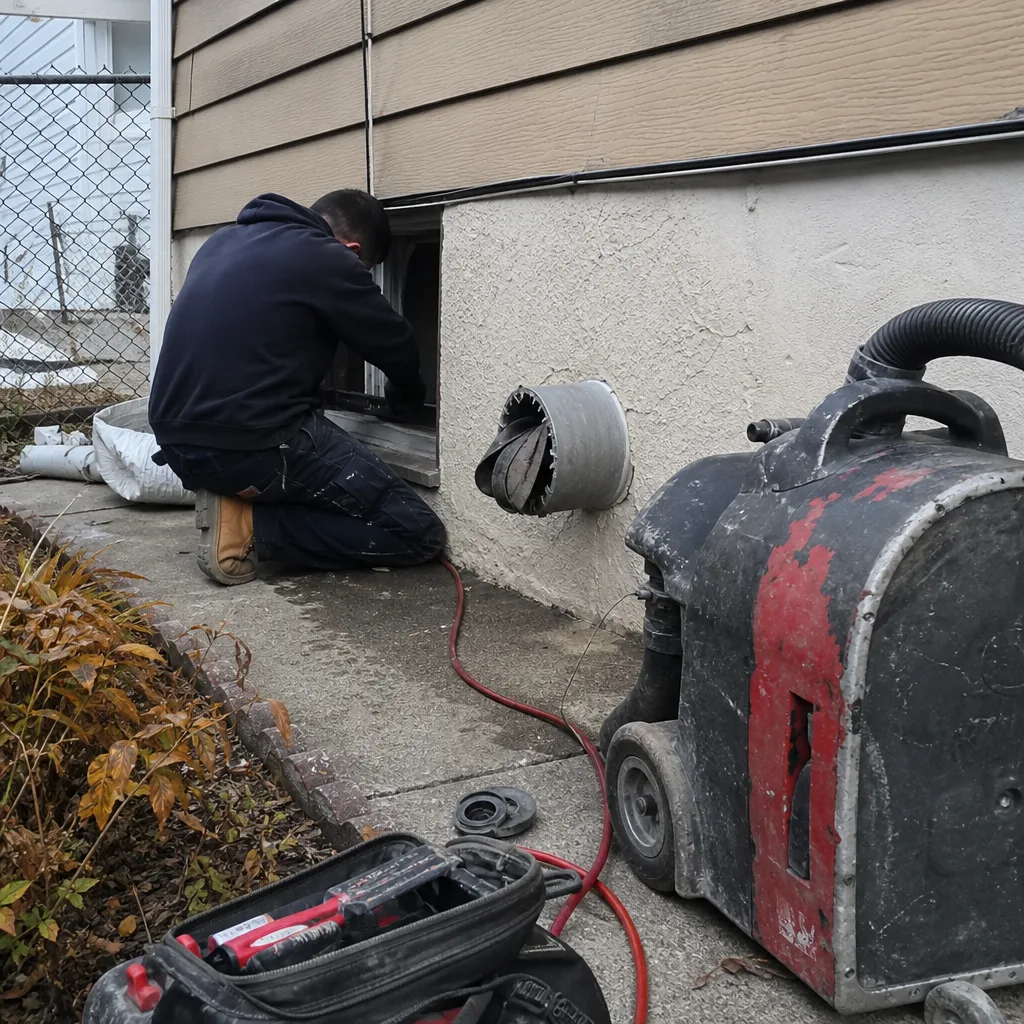 Before
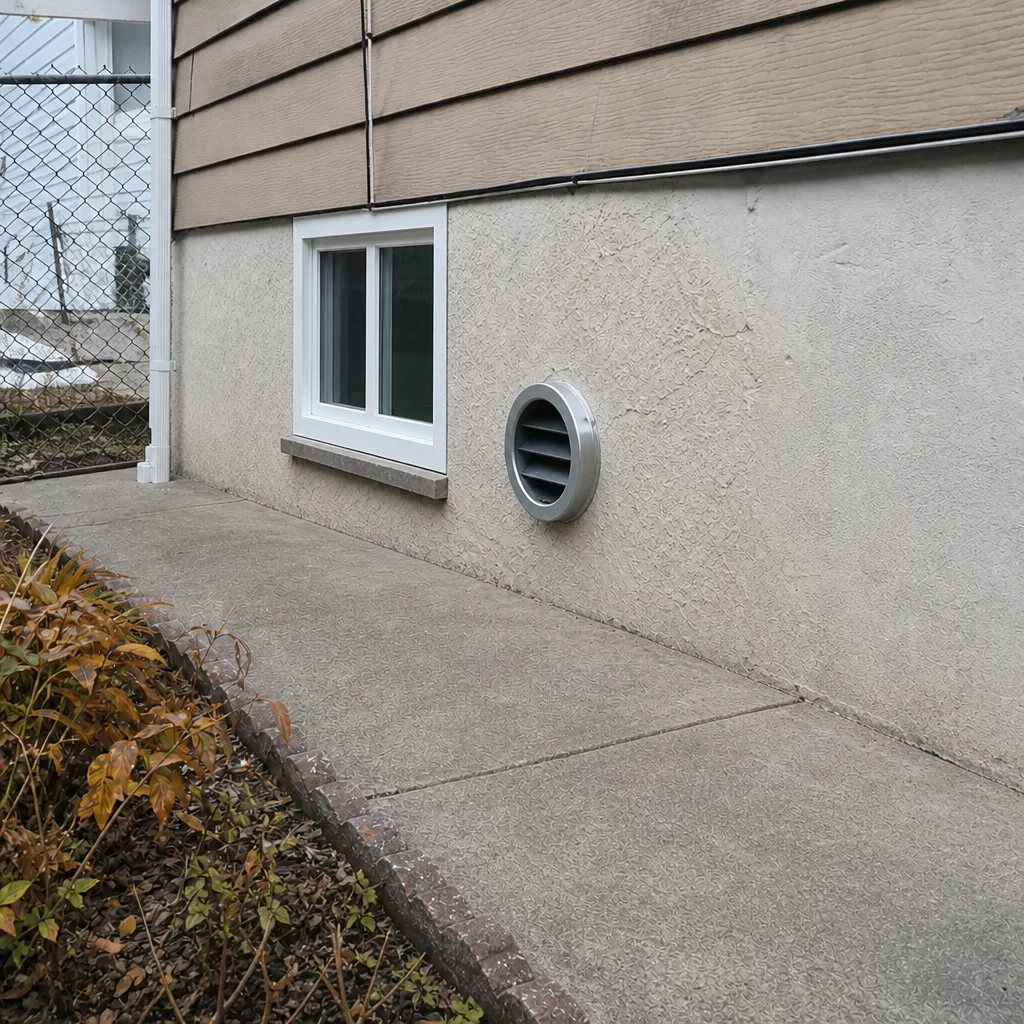 After
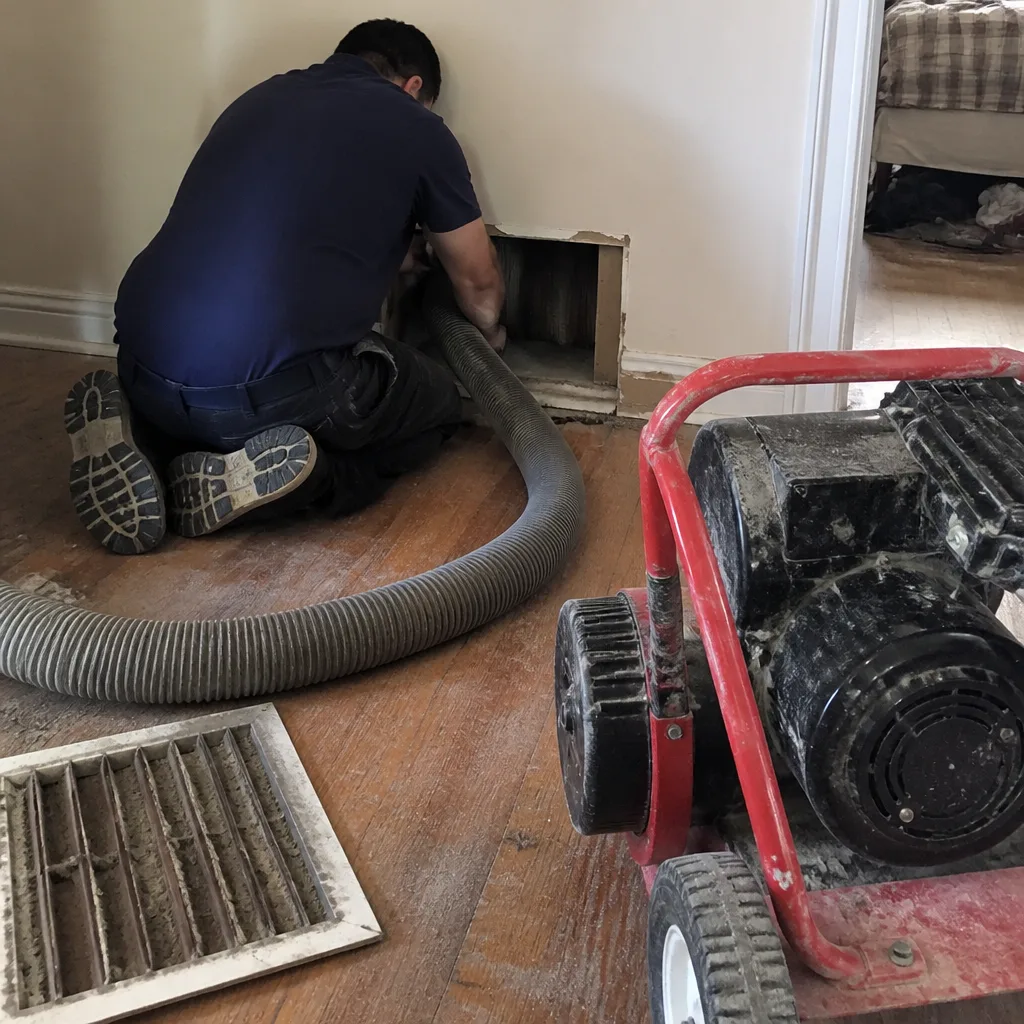 Before
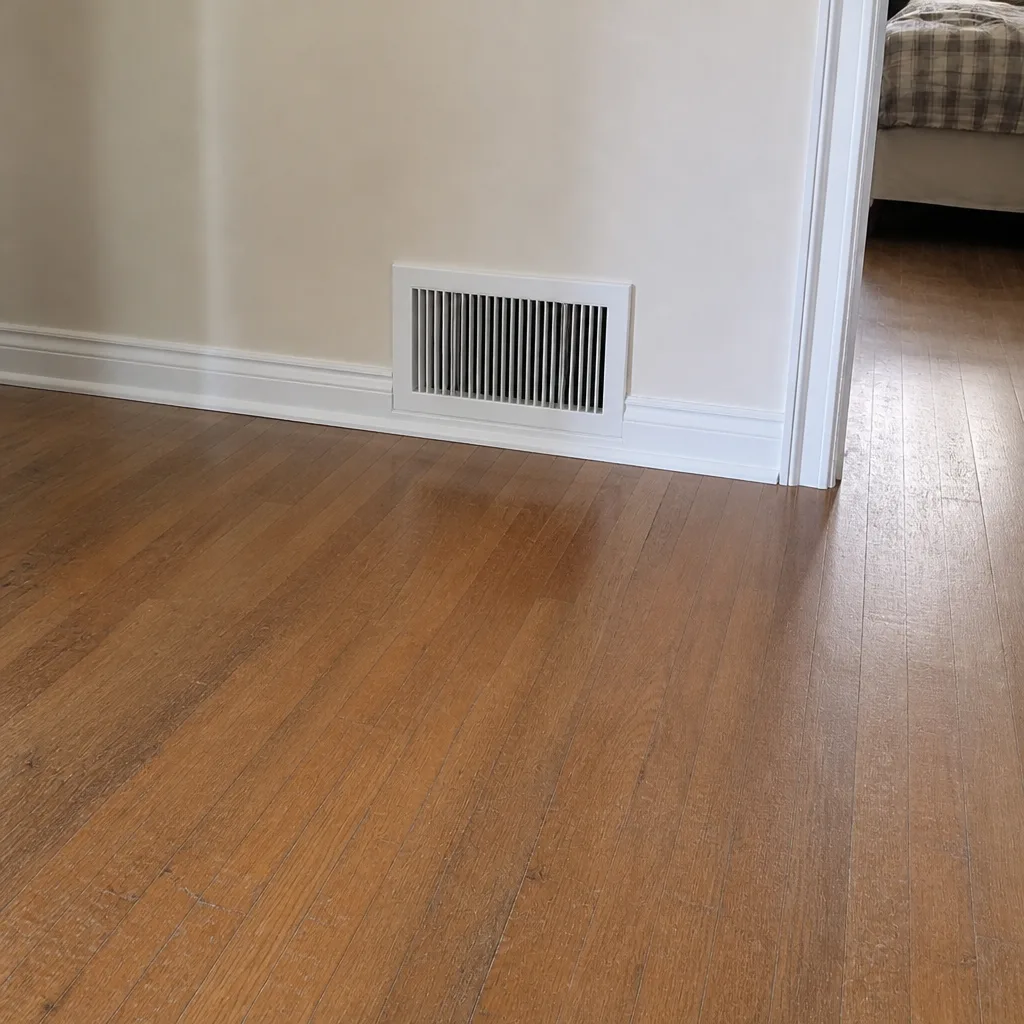 After
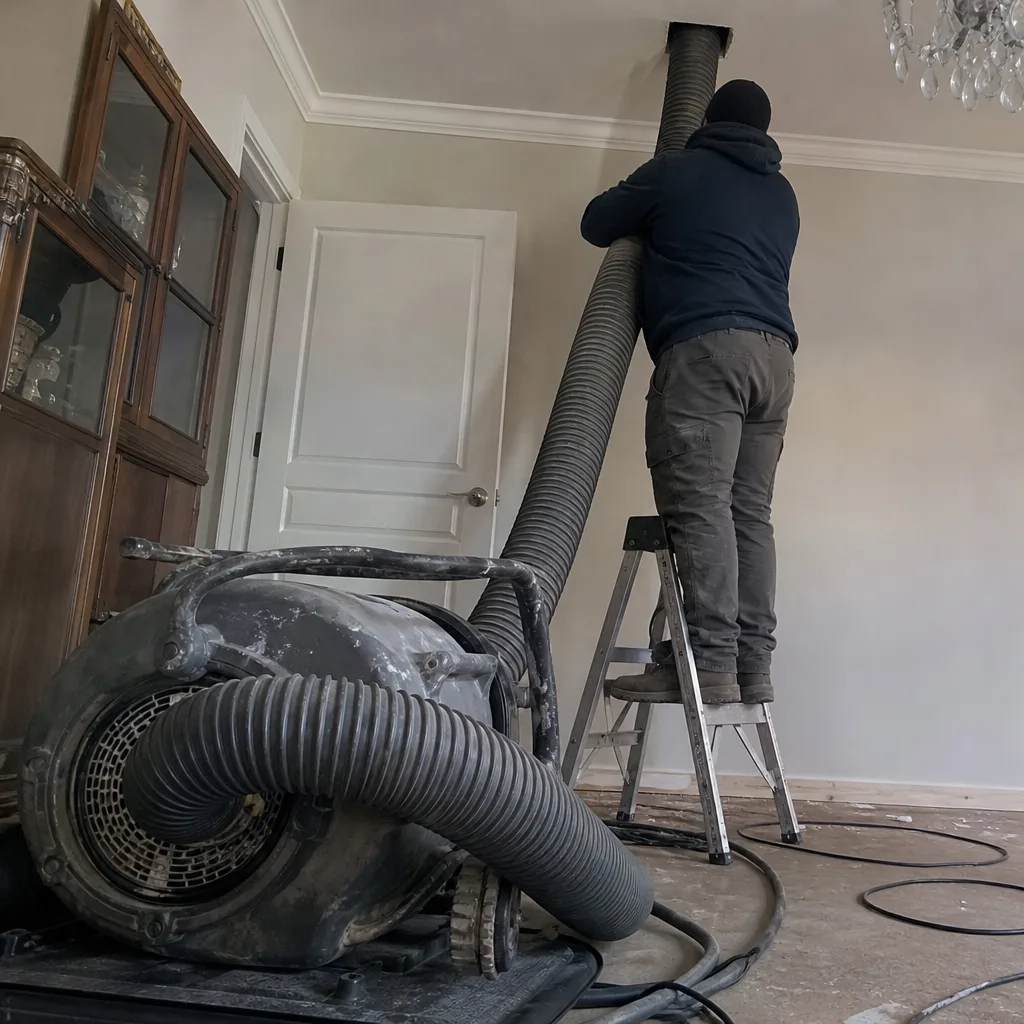 Before
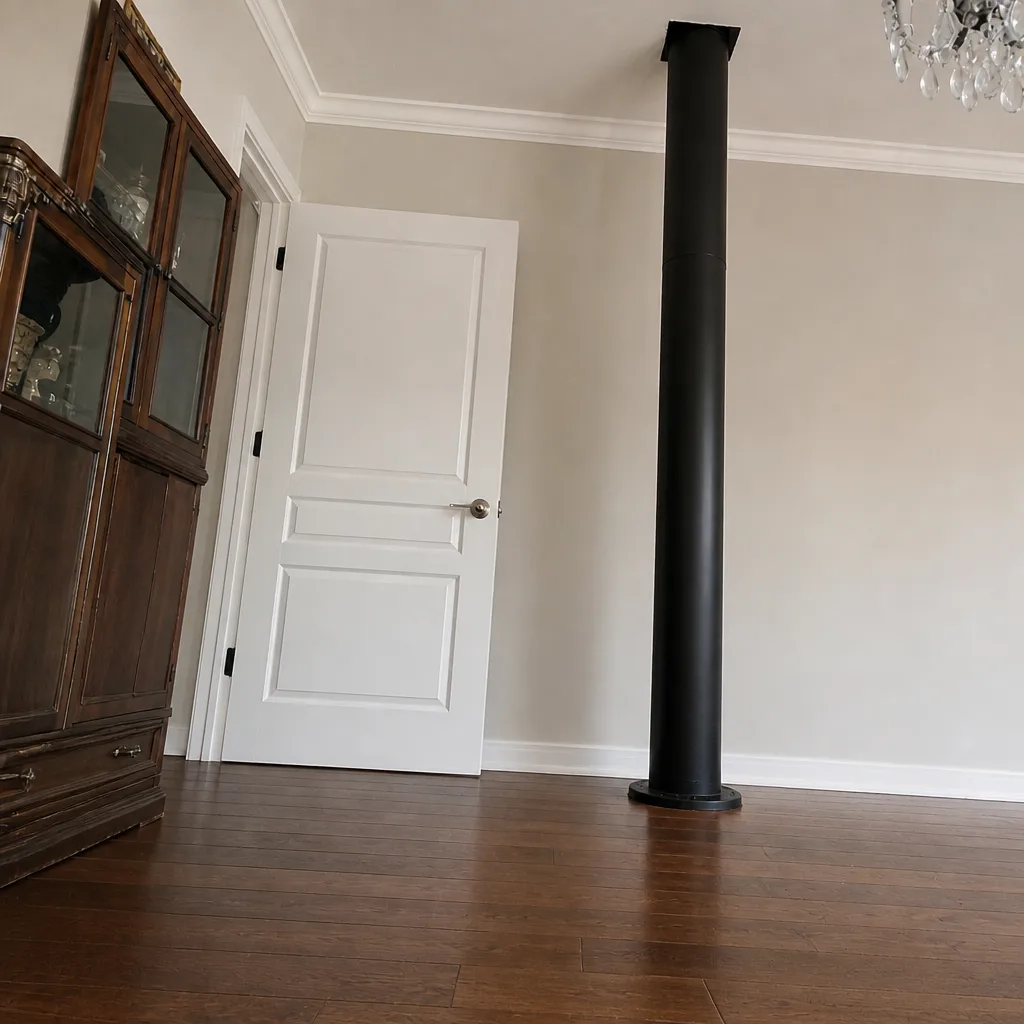 After
When to Call a Professional
You don’t need to guess at this. There are specific signs that the duct system is contributing to the problem, and they’re easy to spot in a Bensonhurst home. Persistent dust settling on surfaces right after cleaning. Musty or stale odors when the heat or cooling turns on. Family members with new allergy or asthma symptoms that get worse indoors. Rooms that don’t heat or cool evenly, which often point to disconnected runs or leaks. A visible dust bloom at a register when the system kicks on. Or you’ve just bought a two- or three-family building and have no history on the ductwork. Any of those means it’s time to get eyes on the system.
Air Duct Cleaning Bensonhurst offers free estimates in Bensonhurst. Our technicians have up to 15 years of experience, and we come with commercial-grade equipment: Rotobrush rotary systems, Nikro negative-pressure units, and Abatement Technologies filtration. Call (833) 483-0627 for a free estimate. We answer 24/7. Fast dispatch from 7am to 7pm, Sunday through Friday.
Frequently Asked Questions
Choose the company based on equipment and process, not the brand name or the review count. Ask what agitation system they use, whether they run negative pressure for the full job, whether they use HEPA-grade filtration during the work, and what their post-job verification looks like. A company that gives specific, technical answers to all four is a specialist. A company that gives vague answers is unlikely to deliver a full-system cleaning.
No, price alone doesn’t predict quality. The right question is what’s behind the price: does the quote specify the equipment, the system components, and the verification process, or does it just list a number? A premium quote without equipment behind it is just a high price. A fair quote with Rotobrush rotary cleaning, Nikro negative pressure, and a written scope is the better value even if it costs more than the coupon quote down the street. Price is set per job by the written estimate, so compare scopes side by side, not just totals.
The cheapest quotes nearly always reflect equipment gaps. Rotobrush rotary systems, Nikro negative-pressure units, and Abatement Technologies filtration are real capital costs. A duct cleaner who uses a single vacuum hose can quote far lower because the equipment investment is far lower. That’s not sustainable pricing; it’s a lower-tier service being offered at a lower-tier price. Neither quote is dishonest, but they aren’t the same product. In Bensonhurst’s older two- and three-family buildings, the equipment difference has a big effect on what actually gets cleaned.
Often, yes. Cleaning exposes structural issues: gaps, leaks, disconnected runs. If those aren’t addressed, the ducts re-contaminate. That’s why having cleaning and repair under one scope is better than splitting them across two vendors. A company that only cleans will leave the structural problems in place, and a company that only repairs will be working with material still inside the ducts. One call covers cleaning, repair, and air quality treatment when the company offers the full scope.
Most homes can go several years between cleanings, and there’s no fixed interval. The right timing depends on the building, the occupants, and any recent renovation work. Signs that it’s time to call include visible dust at the registers, musty odors when the system runs, sudden allergy symptoms indoors, uneven heating or cooling, and any recent renovation in the home that generated significant dust. Bensonhurst properties that have gone through recent construction, or that house people with respiratory concerns, tend to benefit from more frequent attention. When in doubt, get an inspection and let the state of the ducts guide the schedule.
Ask for before-and-after documentation as part of the quote. A company using professional equipment will photograph the inside of the ducts before cleaning and after, and walk the homeowner through what changed. The five-phase process described above, pre-job inspection, containment, agitation, extraction, and post-job verification, produces this evidence as a natural byproduct. If a company can’t show you what was cleaned after the fact, the job should be considered unverified. That’s the single most reliable standard a Bensonhurst homeowner can apply.
The Bottom Line
Picking a duct cleaning company in Bensonhurst comes down to two things you can inspect: what equipment they bring into your home, and what process they follow. Rotobrush rotary cleaning, Nikro negative-pressure equipment, and Abatement Technologies filtration are the platform that turns a duct cleaning into a real job. A five-phase method, from pre-job inspection through post-job verification, is the process that makes it count. Reviews and certificates are secondary signals at best. Ask three questions, look at the equipment, and read the written scope. The answers will make the choice obvious.
Learn more about what we do in the neighborhood on our Air Duct Cleaning Bensonhurst page, or call (833) 483-0627 for a free estimate. We answer 24/7. Fast dispatch from 7am to 7pm, Sunday through Friday. The local pro is licensed and insured as their state requires, and the written estimate sets the final price.
Written by the team at Air Duct Cleaning Bensonhurst.